Mostrando postagens com marcador Fitoterapia. Mostrar todas as postagens

segunda-feira, 5 de maio de 2025

Relato de pesquisas sobre o uso da Curcuma longa no tratamento de equinos - I

Carina Wanchowski Palma - Universidade de Taubaté

Marcos Roberto Furlan - Universidade de Taubaté

Os benefícios à saúde humana atribuídos à especiaria cúrcuma/curcumina resultaram em sua ampla utilização como suplemento alimentar para animais de estimação e outros animais, incluindo cavalos.

No Pubmed destacamos os seguintes autores e pesquisas:

Biodisponibilidade 

A cúrcuma (Curcuma longa), amplamente reconhecida por seus benefícios à saúde humana, vem sendo cada vez mais utilizada como suplemento alimentar em animais de estimação e cavalos, devido às suas propriedades anti-inflamatórias e antioxidantes atribuídas aos curcuminoides (curcumina, desmetoxicurcumina e bisdesmetoxicurcumina). No entanto, enquanto há extensa investigação sobre a metabolização desses compostos em humanos e roedores, os dados sobre sua absorção e metabolismo em equinos ainda são escassos.

Este estudo apresenta um método analítico validado (LC-ESI-MS/MS) para a quantificação simultânea dos curcuminoides livres e seus metabólitos de fase 2 (curcumina-O-sulfato e curcumina-O-glicuronídeo) em plasma equino. O método demonstrou alta sensibilidade, precisão (85 a 115%) e reprodutibilidade (<15% de variação), atendendo aos critérios da FDA. A ferramenta foi aplicada com sucesso para caracterizar a farmacocinética da curcumina-O-sulfato em cavalos.

Esse avanço metodológico representa um passo importante para a compreensão dos efeitos terapêuticos e da biodisponibilidade da cúrcuma em equinos, possibilitando estudos mais robustos sobre sua eficácia e segurança no contexto da nutrição e saúde animal.

Referência

Liu Y, Siard M, Adams A, et al. Quantificação simultânea de curcuminoides livres e seus metabólitos em plasma equino por LC-ESI-MS/MS. J Pharm Biomed Anal . 2018;154:31-39. doi:10.1016/j.jpba.2018.03.014

Segurança e eficácia de diferentes formas de cúrcuma

Em resposta a uma solicitação da Comissão Europeia, o Painel FEEDAP da EFSA avaliou a segurança e eficácia de diferentes formas de cúrcuma (Curcuma longa L.) — incluindo extrato, óleo essencial, oleorresina e tintura — quando utilizadas como aditivos sensoriais em rações e água de bebida para animais, abrangendo todas as espécies, inclusive cavalos.

O parecer científico concluiu que essas preparações são seguras para equinos quando utilizadas nos níveis máximos propostos. Especificamente para cavalos, a oleorresina de cúrcuma é segura até 5 mg/kg de ração completa, e a tintura de cúrcuma pode ser administrada até 6 mL por animal/dia. Não foram identificadas preocupações com a saúde dos consumidores decorrentes da ingestão de produtos de origem animal alimentados com esses aditivos, e os riscos ambientais também foram considerados desprezíveis.

Embora o foco do parecer tenha sido o uso sensorial (melhoria de sabor e palatabilidade), a avaliação reforça a segurança do uso da cúrcuma em formulações alimentares para equinos, permitindo seu uso potencial também como suporte à saúde, dadas as conhecidas propriedades anti-inflamatórias, antioxidantes e digestivas da planta. No entanto, os compostos derivados da cúrcuma são classificados como irritantes cutâneos e respiratórios e sensibilizantes da pele, exigindo cuidados no manuseio.

Esses resultados reforçam o uso seguro e regulamentado da Curcuma longa como aditivo funcional e sensorial na alimentação de cavalos, abrindo possibilidades para seu uso complementar em estratégias nutricionais voltadas ao bem-estar e à performance equina.

Referência:

Painel da EFSA sobre Aditivos e Produtos ou Substâncias Utilizados na Alimentação Animal (FEEDAP), Bampidis V, Azimonti G et al. Segurança e eficácia do extrato de cúrcuma, óleo de cúrcuma, oleorresina de cúrcuma e tintura de cúrcuma do rizoma de Curcuma longa L. quando usados ​​como aditivos sensoriais em rações para todas as espécies animais. EFSA J. 2020;18(6):e06146. Publicado em 12 de junho de 2020. doi:10.2903/j.efsa.2020.6146

Controle da Inflamação

Beghelli et al. (2023)

Exercícios intensos podem desencadear inflamação e estresse oxidativo devido à produção de espécies reativas de oxigênio, formando um ciclo vicioso entre esses processos fisiopatológicos. Um estudo duplo-cego controlado por placebo foi conduzido com 16 cavalos de salto para avaliar os efeitos de um suplemento fitoterápico comercial (Dolhorse®) contendo extrato de Curcuma longa (14.280 mg/kg), além de Verbascum thapsus e Boswellia serrata. Após 10 dias de suplementação, foram observadas mudanças significativas em 36 pontos proteicos relacionados a 29 proteínas, além da regulação negativa de citocinas pró-inflamatórias como IL-1α, IL-6, TLR4 e IKBKB, conforme análise por RT-PCR em tempo real.

Destaca-se o papel da cúrcuma (Curcuma longa), reconhecida por suas propriedades anti-inflamatórias e moduladoras da resposta imune, como provável agente contribuinte para a redução dos marcadores inflamatórios. Embora não tenham sido observados efeitos significativos sobre o sistema antioxidante, o suplemento levou à superexpressão de proteínas associadas à imunidade e ao metabolismo, e à redução de proteínas inflamatórias e fragmentos do sistema complemento. Esses resultados sugerem que a fitoterapia, especialmente com cúrcuma, pode auxiliar no controle da inflamação em cavalos atletas, atuando como adjuvante na manutenção da saúde durante atividades físicas intensas.

Referência: Beghelli D, Zallocco L, Angeloni C, et al. Suplementação alimentar com Boswellia serrata, Verbascum thapsus e Curcuma longa em cavalos de salto: efeitos no proteoma sérico, estado antioxidante e expressão gênica anti-inflamatória. Life (Basel) . 2023;13(3):750. Publicado em 10 de março de 2023. doi:10.3390/life13030750 

sexta-feira, 27 de dezembro de 2019

Chemical compound found in essential oils improves wound healing

Date: December 18, 2019 Source: Indiana University Summary: Researchers have discovered that a chemical compound found in essential oils improves the healing process in mice when it is topically applied to a skin wound.

Indiana University researchers have discovered that a chemical compound found in essential oils improves the healing process in mice when it is topically applied to a skin wound -- a finding that could lead to improved treatments for skin injuries in humans.

IU scientists also reported that skin tissue treated with the chemical compound, beta-carophyllene -- which is found in lavender, rosemary and ylang ylang, as well as various herbs and spices such as black pepper -- showed increased cell growth and cell migration critical to wound healing. They also observed increased gene expression of hair follicle stem cells in the treated tissue. The scientists did not find any involvement of the olfactory system in the wound healing.

Their research was published Dec. 16 in the journal PLOS ONE.

"This is the first finding at the chemical-compound level showing improved wound healing in addition to changes in gene expression in the skin," said Sachiko Koyama, corresponding author on the paper, who, at the time of this research, was an associate scientist at the IU School of Medicine and is currently a visiting scientist in the IU College of Arts and Sciences' Department of Biology. "The way gene expression changed also suggests not only improved wound healing but also the possibility of less scar formation and a more full recovery.

"It's an example that essential oils work; however, it's not through our sense of smell."

Essential oils are natural, concentrated oils extracted from plants. Their use by humans dates back to ancient Egypt, but the scented oils have experienced a resurgence in popularity in the U.S. over the past few years, with many people using them for aromatherapy.

Koyama, whose original field of study is pheromones, said she wasn't interested in essential oils at first. The project started when she saw several students studying the wound healing process in mice in the Medical Sciences Program at the IU School of Medicine-Bloomington. Having previously worked in the IU College of Arts and Sciences' Department of Psychological and Brain Sciences, where scientists are working with cannabinoid receptors, Koyama knew that beta-caryophyllene activates not only olfactory receptors but also cannabinoid receptor 2 (CB2), which has anti-inflammatory impact when it is activated.

"In the wound healing process, there are several stages, starting from the inflammatory phase, followed by the cell proliferation stage and the remodeling stage," she said. "I thought maybe wound healing would be accelerated if inflammation was suppressed, stimulating an earlier switch from the inflammatory stage to the next stage."

This accelerated the wound healing process, she said, but the resulting change in gene expression indicates that the improved healing is not merely achieved through activation of the CB2 receptor.

"It's possibly more complicated," Koyama said. "Our findings suggest the involvements of some other routes in addition to CB2. I hope to clarify the mechanisms of action in the near future."

Although the study's results are promising, Koyama said she wouldn't recommend that people start treating their injuries with just any essential oils, as her research applies to a very specific chemical compound with known purity, diluted in a specific concentration.

"It's not very precise to use the essential oils themselves because there are differences," she said. "Even if you say you used lavender, when the lavender was harvested, where it was harvested, how it was stored -- all of this makes a difference in the chemical composition."

Koyama said further research is required to figure out how beta-carophyllene might be used to develop new treatments for skin wounds in humans. She said she hopes to better understand the mechanisms that accelerate the healing process and to find a combination of chemical compounds that could be used together to accelerate drug delivery and chemical stability, which is important for avoiding or suppressing allergic responses caused by oxidation of the chemical compounds.

"We still need thorough scientific studies at the chemical-compound level and also to test the combinations of these chemical compounds," Koyama said. "For example, there are studies showing that linalool -- another compound found in lavender -- can suppress anxiety through the olfactory system. There could be the best combinations of chemical compounds at specific ratios, and we might be able to do prescriptions of aroma chemical compounds, depending on the specific treatment goals.

"There are many things to test before we can start using it clinically, but our results are very promising and exciting; someday in the near future, we may be able to develop a drug and drug delivery methods using the chemical compounds found in essential oils."

Story Source:

Materials provided by Indiana University. Note: Content may be edited for style and length.

Journal Reference:
Sachiko Koyama, Anna Purk, Manpreet Kaur, Helena A. Soini, Milos V. Novotny, Keith Davis, C. Cheng Kao, Hiroaki Matsunami, Anthony Mescher. Beta-caryophyllene enhances wound healing through multiple routes. PLOS ONE, 2019; 14 (12): e0216104 DOI: 10.1371/journal.pone.0216104

Cite This Page:
Indiana University. "Chemical compound found in essential oils improves wound healing." ScienceDaily. ScienceDaily, 18 December 2019. <www.sciencedaily.com/releases/2019/12/191218153447.htm>.

sexta-feira, 29 de novembro de 2019

Habitual tea drinking modulates brain efficiency: Evidence from brain connectivity evaluation

Date: October 11, 2019 Source: Impact Journals LLC Summary: The researchers recruited healthy older participants to two groups according to their history of tea drinking frequency and investigated both functional and structural networks to reveal the role of tea drinking on brain organization.

The researchers recruited healthy older participants to two groups according to their history of tea drinking frequency and investigated both functional and structural networks to reveal the role of tea drinking on brain organization.

The suppression of hemispheric asymmetry in the structural connectivity network was observed as a result of tea drinking.

The authors did not observe any significant effects of tea drinking on the hemispheric asymmetry of the functional connectivity network.

Dr. Junhua Li and Dr. Lei Feng said, "Tea has been a popular beverage since antiquity, with records referring to consumption dating back to the dynasty of Shen Nong (approximately 2700 BC) in China."

Tea is consumed in diverse ways, with brewed tea and products with a tea ingredient extremely prevalent in Asia, especially in China and Japan.

Although individual constituents of tea have been related to the roles of maintaining cognitive abilities and preventing cognitive decline, a study with behavioural and neurophysiological measures showed that there was a degraded effect or no effect when a constituent was administered alone and a significant effect was observed only when constituents were combined.

The superior effect of the constituent combination was also demonstrated in a comparative experiment that suggested that tea itself should be administered instead of tea extracts; a review of tea effects on the prevention of Alzheimers disease, found that the neuroprotective role of herbal tea was apparent in eight out of nine studies.

It is worth noting that the majority of studies thus far have evaluated tea effects from the perspective of neurocognitive and neuropsychological measures, with direct measurement of brain structure or function less-well represented in the extant literature.

These studies focusing on brain regional alterations did not ascertain tea effects on interregional interactions at the level of the entire brain.

The Li/Feng Research team concluded, "In summary, our study comprehensively investigated the effects of tea drinking on brain connectivity at both global and regional scales using multi-modal imaging data and provided the first compelling evidence that tea drinking positively contributes to brain structure making network organization more efficient."

Story Source:

Materials provided by Impact Journals LLC. Note: Content may be edited for style and length.

Journal Reference:
Junhua Li, Rafael Romero-Garcia, John Suckling, Lei Feng. Habitual tea drinking modulates brain efficiency: evidence from brain connectivity evaluation. Aging, 2019; 11 (11): 3876 DOI: 10.18632/aging.102023

Cite This Page:
Impact Journals LLC. "Habitual tea drinking modulates brain efficiency: Evidence from brain connectivity evaluation." ScienceDaily. ScienceDaily, 11 October 2019. <www.sciencedaily.com/releases/2019/10/191011112235.htm>.

quinta-feira, 21 de novembro de 2019

Insights on marijuana and opioid use in people with cancer

Date: April 22, 2019 Source: Wiley Summary: A new study reveals that many people with cancer use marijuana, and rates of use in the US have increased over time. The study also found that patients with cancer are more likely to use prescription opioids than adults without cancer.

A new study reveals that many people with cancer use marijuana, and rates of use in the U.S. have increased over time. Published early online in CANCER, a peer-reviewed journal of the American Cancer Society, the study also found that patients with cancer are more likely to use prescription opioids than adults without cancer.

Pain is a common symptom of cancer, and many affected patients do not receive adequate pain relief. In light of rapidly evolving marijuana legislation and a growing opioid epidemic, a team led by Jona Hattangadi-Gluth, MD, and Kathryn Ries Tringale, MD, MAS, of the University of California, San Diego, examined trends in the self-disclosed use of marijuana and opioids among patients with cancer.

After analyzing data from the U.S. National Health and Nutrition Examination Survey between 2005 and 2014, the investigators matched 826 people with cancer to 1,652 controls without cancer. Among survey respondents who had cancer, 40.3 percent used marijuana within the past year, compared with 38.0 percent of respondents without cancer. Also, people with cancer were more likely to use prescription opioids than their demographically equivalent counterparts without cancer (13.9 percent versus 6.4 percent).

"Prospective clinical trials are needed to quantify the efficacy of marijuana in cancer-specific pain as well as the risk of opioid misuse in this patient population," said Dr. Tringale.

When looking at rates of marijuana and opioid use in more than 19,000 survey respondents with and without cancer over 10 years, the researchers found significantly increased use of marijuana over time -- likely reflecting increased availability due to legislative changes -- but they found stable rates of opioid use. A diagnosis of cancer did not significantly affect the odds of substance use over time from 2005 to 2014.

"Medical marijuana legalization has previously been associated with a reduction in hospitalizations related to opioid dependence or abuse, suggesting that if patients are in fact substituting marijuana for opioids, this may introduce an opportunity for reducing opioid-related morbidity and mortality," said Dr. Hattangadi-Gluth. "Of course, it will also be important to identify risks and adverse effects of marijuana, which has not previously been studied on large randomized clinical trials, given its scheduling as a class 1 controlled substance."

Story Source:

Materials provided by Wiley. Note: Content may be edited for style and length.

Journal Reference:
Kathryn R. Tringale, Minh‐Phuong Huynh‐Le, Mia Salans, Deborah C. Marshall, Yuyan Shi, Jona A. Hattangadi‐Gluth. The role of cancer in marijuana and prescription opioid use in the United States: A population‐based analysis from 2005 to 2014. Cancer, 2019; DOI: 10.1002/cncr.32059

Cite This Page:
Wiley. "Insights on marijuana and opioid use in people with cancer." ScienceDaily. ScienceDaily, 22 April 2019. <www.sciencedaily.com/releases/2019/04/190422100947.htm>.

Lung benefits of caffeine therapy in preemies persists into mid-childhood

Date: July 14, 2017 Source: American Thoracic Society (ATS) Summary: Premature babies treated with caffeine have better lung function in mid-childhood than preemies not treated with caffeine, according to a randomized controlled trial.

Premature babies treated with caffeine have better lung function in mid-childhood than preemies not treated with caffeine, according to a randomized controlled trial published in the American Thoracic Society's American Journal of Respiratory and Critical Care Medicine.

"Previous studies have shown that caffeine, which belongs to a group of drugs known as methylxanthines, reduces apnea of prematurity, a condition in which the baby stops breathing for many seconds," said lead study author Lex W. Doyle, MD, professor of neonatal pediatrics at the Royal Women's Hospital in Melbourne and head of the Australian National Health and Medical Research Council's Centre of Research Excellence in Newborn Medicine.

Dr. Doyle added that caffeine, one of the most widely used drugs in neonatal intensive care, shortens the time premature infants require help breathing after birth. It also reduces the chances that the newborn will develop lung injury or abnormal lung development, a condition called bronchopulmonary dysplasia, which can lead to higher rates of breathing problems later in life.

In "Neonatal Caffeine Treatment and Respiratory Function at 11 Years in Children," Dr. Doyle and colleagues report on their study to determine if the lung benefits of caffeine in premature babies persist in mid-childhood.

At age 11, 142 children living in Australia who had been part of the international Caffeine for Apnea of Prematurity randomized controlled trial had their expiratory flow rates measured. Slightly more than half the children had been enrolled in the caffeine intervention; the others had been given a placebo.

The researchers found expiratory flows were significantly better in the caffeine group by approximately one-half a standard deviation for FEV1 (the maximum amount of air that can be forcefully blown out in one second), FVC (the amount of air that can be forcibly exhaled after taking the deepest breath possible) and FEF25-75% (the average flow from the point at which 25 percent of the FVC has been exhaled to the point at which 75 percent of the FVC has been exhaled.) FEV1/FVC (a measure of obstructive lung disease) was better by a lesser amount but still statistically significant.

The researchers said that caffeine appeared to improve long-term breathing by reducing lung injury and abnormal development during the newborn period, "rather than the caffeine molecule having any direct effect on the lung itself."

Study limitations include the fact that respiratory function tests measured only expiratory flows and the children were from only one of the Caffeine for the Apnea of Prematurity trial sites.

"It would be desirable to repeat lung function more extensively later in life, and at more sites to identify those participants at highest risk of developing severe breathing disorders in adulthood," Dr. Doyle said. "If it were possible to repeat lung function at one time only, the best time would be around age 25, when lung growth peaks."

Story Source:

Materials provided by American Thoracic Society (ATS). Note: Content may be edited for style and length.

Cite This Page:
American Thoracic Society (ATS). "Lung benefits of caffeine therapy in preemies persists into mid-childhood." ScienceDaily. ScienceDaily, 14 July 2017. <www.sciencedaily.com/releases/2017/07/170714072216.htm>.

sábado, 16 de novembro de 2019

Native California medicinal plant may hold promise for treating Alzheimer's

Salk scientists identify possible healing compound in Yerba santa

Date: February 20, 2019 Source: Salk Institute Summary: The medicinal powers of aspirin, digitalis, and the anti-malarial artemisinin all come from plants. A discovery of a potent neuroprotective and anti-inflammatory chemical in a native California shrub may lead to a treatment for Alzheimer's disease based on a compound found in nature.


The medicinal powers of aspirin, digitalis, and the anti-malarial artemisinin all come from plants. A Salk Institute discovery of a potent neuroprotective and anti-inflammatory chemical in a native California shrub may lead to a treatment for Alzheimer's disease based on a compound found in nature. The research appears in the February 2019 issue of the journal Redox Biology.

"Alzheimer's disease is a leading cause of death in the United States," says Senior Staff Scientist Pamela Maher, a member of Salk's Cellular Neurobiology Laboratory, run by Professor David Schubert. "And because age is a major risk factor, researchers are looking at ways to counter aging's effects on the brain. Our identification of sterubin as a potent neuroprotective component of a native California plant called Yerba santa (Eriodictyon californicum) is a promising step in that direction."

Native California tribes, which dubbed the plant "holy herb" in Spanish, have long used Yerba santa for its medicinal properties. Devotees brew its leaves to treat respiratory ailments, fever and headaches; and mash it into a poultice for wounds, sore muscles and rheumatism.

To identify natural compounds that might reverse neurological disease symptoms, Maher applied a screening technique used in drug discovery to a commercial library of 400 plant extracts with known pharmacological properties. The lab had previously used this approach to identify other chemicals (called flavonoids) from plants that have anti-inflammatory and neuroprotective properties.

Through the screen, the lab identified a molecule called sterubin as Yerba santa's most active component. The researchers tested sterubin and other plant extracts for their impact on energy depletion in mouse nerve cells, as well as other age-associated neurotoxicity and survival pathways directly related to the reduced energy metabolism, accumulation of misfolded, aggregated proteins and inflammation seen in Alzheimer's. Sterubin had a potent anti-inflammatory impact on brain cells known as microglia. It was also an effective iron remover -- potentially beneficial because iron can contribute to nerve cell damage in aging and neurodegenerative diseases. Overall, the compound was effective against multiple inducers of cell death in the nerve cells, according to Maher.

"This is a compound that was known but ignored," Maher says. "Not only did sterubin turn out to be much more active than the other flavonoids in Yerba santa in our assays, it appears as good as, if not better than, other flavonoids we have studied."

Next, the lab plans to test sterubin in an animal model of Alzheimer's, then determine its drug-like characteristics and toxicity levels in animals. With that data, Maher says, it might be possible to test the compound in humans, although it would be critical to use sterubin derived from plants grown under standardized, controlled conditions. She says the team will likely generate synthetic derivatives of sterubin.

Story Source:

Materials provided by Salk Institute. Note: Content may be edited for style and length.

Journal Reference:
Wolfgang Fischer, Antonio Currais, Zhibin Liang, Antonio Pinto, Pamela Maher. Old age-associated phenotypic screening for Alzheimer's disease drug candidates identifies sterubin as a potent neuroprotective compound from Yerba santa. Redox Biology, 2019; 21: 101089 DOI: 10.1016/j.redox.2018.101089

Cite This Page:
Salk Institute. "Native California medicinal plant may hold promise for treating Alzheimer's: Salk scientists identify possible healing compound in Yerba santa." ScienceDaily. ScienceDaily, 20 February 2019. <www.sciencedaily.com/releases/2019/02/190220174105.htm>.

sexta-feira, 15 de novembro de 2019

Root extract of Chinese medicinal plant makes worms live longer

Date: October 9, 2018 Source: Martin-Luther-Universität Halle-Wittenberg Summary: A root extract of the Fallopia multiflora, or Chinese knotweed, has special properties: it enables the nematode C. elegans to live longer and protects it from oxidative stress, according to a new study.


A root extract of the Fallopia multiflora, or Chinese knotweed, has special properties: it enables the nematode C. elegans to live longer and protects it from oxidative stress. This has been demonstrated in a new study by nutritional scientists at Martin Luther University Halle-Wittenberg (MLU). The researchers provide scientifically substantiated evidence for the effectiveness of this extract, which is primarily used in traditional Chinese medicine and as a dietary supplement. At the same time, they have identified molecular signalling pathways that could be responsible for the extract's effect.

Their study was recently published in the international scientific journal Plants.

The Chinese knotweed is very popular. Many suppliers sell extracts and powders of this plant as dietary supplements and advertise the rejuvenating and particularly health-promoting effect that the products supposedly possess. However only a handful of scientifically based studies have examined its effects. "Most studies have only focused on the primary active ingredient of the plant extract. But it actually contains many different substances whose combined efficacy has not yet been thoroughly researched," says nutritional scientist Professor Wim Wätjen from MLU. His research group has been studying the plant, its ingredients, and their possible effects for several years.

In the current study, the researchers from Halle examined whether the much-praised anti-ageing effects can actually be proven. They administered a high amount of the extract to the nematode C. elegans, a model organism frequently used in the bio- and life sciences. "Most earlier studies investigated the effects of the plant on isolated cells or in a test tube; we wanted to study it in a living organism," explains Wätjen. When the highest concentration was administered to the worms, 1,000 micrograms per millilitre, various effects were observed: The lifetime of the worms was extended by almost 19 per cent. For C. elegans this corresponds to an increase of about three days. In two further tests, the scientists investigated the extent to which the drug also protects the worms from oxidative stress or heat stress. Even though the extract did not improve the survival rate of worms in hot conditions, it was found to reduce the formation of harmful oxygen radicals and protect the animals significantly better against elevated oxidative stress.

In the next step the researchers repeated the tests with worms whose genetic material had been specifically altered at certain sites. This switched off special proteins that are critical for ageing. "If the genes responsible for producing the proteins DAF-16 or Sir-2.1 were defective, the positive effects of the root extract were also significantly lower," says Wätjen. A longer lifespan could only be observed if all proteins functioned properly. "This confirms that ageing is a complex process that depends on many factors," says Wätjen.

The results of the new study fit in well with previous studies: The primary component of the root extract is a substance that has a similar structure to resveratrol. "This substance is found in grapes, for example, and is known to activate a special class of enzymes called sirtuins. These have long been considered the most important substances for controlling the body's ageing process," says Wätjen.

The new study provides clues on how plant-based ingredients intervene in basic mechanisms and signalling pathways of ageing which can serve as a basis for further research. However, the findings cannot be transferred directly to humans. Although the basic principles and signalling pathways in other organisms may be similar, says Wätjen, subsequent studies are needed to clarify whether the effects observed in C. elegans can also be demonstrated in other organisms. In the future researchers in Halle will investigate the protective effect the extract has on the development of plaques in Alzheimer's disease.

Story Source:

Materials provided by Martin-Luther-Universität Halle-Wittenberg. Note: Content may be edited for style and length.

Journal Reference:
Christina Saier, Christian Büchter, Karoline Koch, Wim Wätjen. Polygonum multiflorum Extract Exerts Antioxidative Effects and Increases Life Span and Stress Resistance in the Model Organism Caenorhabditis elegans via DAF-16 and SIR-2.1. Plants, 2018; 7 (3): 60 DOI: 10.3390/plants7030060

Cite This Page:
Martin-Luther-Universität Halle-Wittenberg. "Root extract of Chinese medicinal plant makes worms live longer." ScienceDaily. ScienceDaily, 9 October 2018. <www.sciencedaily.com/releases/2018/10/181009102529.htm>.

terça-feira, 12 de novembro de 2019

Reações adversas - 2


Fonte: BALBINO, Evelin E. and DIAS, Murilo F.. Farmacovigilância: um passo em direção ao uso racional de plantas medicinais e fitoterápicos. Rev. bras. farmacogn. [online]. 2010, vol.20, n.6 [cited 2020-01-03], pp.992-1000. Available from: . Epub Oct 29, 2010. ISSN 0102-695X. http://dx.doi.org/10.1590/S0102-695X2010005000031.

terça-feira, 8 de outubro de 2019

Reações adversas - 3

Fonte: BALBINO, Evelin E. and DIAS, Murilo F.. Farmacovigilância: um passo em direção ao uso racional de plantas medicinais e fitoterápicos. Rev. bras. farmacogn. [online]. 2010, vol.20, n.6 [cited 2020-01-03], pp.992-1000. Available from: . Epub Oct 29, 2010. ISSN 0102-695X. http://dx.doi.org/10.1590/S0102-695X2010005000031.

sábado, 14 de setembro de 2019

Eating nuts linked with lower risk of fatal heart attack and stroke

Date: August 31, 2019 Source: European Society of Cardiology Summary: Eating nuts at least twice a week is associated with a 17% lower risk of death from cardiovascular disease.

Eating nuts at least twice a week is associated with a 17% lower risk of death from cardiovascular disease, according to research presented today at ESC Congress 2019 together with the World Congress of Cardiology.

"Nuts are a good source of unsaturated fat and contain little saturated fat," said study author Dr Noushin Mohammadifard of Isfahan Cardiovascular Research Institute, Iran. "They also have protein, minerals, vitamins, fibre, phytosterols, and polyphenols which benefit heart health. European and US studies have related nuts with cardiovascular protection but there is limited evidence from the Eastern Mediterranean Region."

This study examined the association between nut consumption and the risk of cardiovascular disease and death in the Iranian population. A total of 5,432 adults aged 35 and older with no history of cardiovascular disease were randomly selected from urban and rural areas of the Isfahan, Arak and Najafabad counties. Intake of nuts including walnuts, almonds, pistachios, hazelnuts, and seeds was assessed in 2001 with a validated food frequency questionnaire.

Participants or family members were interviewed every two years until 2013 for the occurrence of cardiovascular events and death. The specific outcomes investigated were coronary heart disease, stroke, total cardiovascular disease, death from any cause, and death from cardiovascular disease.

During a median 12-year follow-up, there were 751 cardiovascular events (594 coronary heart disease and 157 stroke), 179 cardiovascular deaths, and 458 all-cause deaths.

Eating nuts two or more times per week was associated with a 17% lower risk of cardiovascular mortality compared to consuming nuts once every two weeks. The connection was robust even after adjusting for factors that could influence the relationship such as age, sex, education, smoking, and physical activity. Nut intake was inversely associated with the other outcomes but lost significance after adjustment.

ESC guidelines list 30 grams of unsalted nuts per day as one of the characteristics of a healthy diet, while noting that the energy density of nuts is high.(1)

"Raw fresh nuts are the healthiest," added Dr Mohammadifard. "Nuts should be fresh because unsaturated fats can become oxidised in stale nuts, making them harmful. You can tell if nuts are rancid by their paint-like smell and bitter or sour taste."

References and notes

(1)Piepoli MF, Hoes AW, Agewall S, et al. 2016 European Guidelines on cardiovascular disease prevention in clinical practice. Eur Heart J. 2016;37:2315-2381.

Story Source:
Materials provided by European Society of Cardiology. Note: Content may be edited for style and length.

Cite This Page:
European Society of Cardiology. "Eating nuts linked with lower risk of fatal heart attack and stroke." ScienceDaily. ScienceDaily, 31 August 2019. <www.sciencedaily.com/releases/2019/08/190831155847.htm>.

Key enzyme found in plants could guide development of medicines and other products

How plants are able to efficiently manufacture the compounds they use to adapt to stress

Date: September 6, 2019 Source: Salk Institute Summary: Researchers studying how plants evolved the abilities to make natural chemicals, which they use to adapt to stress, have uncovered how an enzyme called chalcone isomerase evolved to enable plants to make products vital to their own survival. The researchers' hope is that this knowledge will inform the manufacture of products that are beneficial to humans, including medications and improved crops.

Plants can do many amazing things. Among their talents, they can manufacture compounds that help them repel pests, attract pollinators, cure infections and protect themselves from excess temperatures, drought and other hazards in the environment.

Researchers from the Salk Institute studying how plants evolved the abilities to make these natural chemicals have uncovered how an enzyme called chalcone isomerase evolved to enable plants to make products vital to their own survival. The researchers' hope is that this knowledge will inform the manufacture of products that are beneficial to humans, including medications and improved crops. The study appeared in the print version of ACS Catalysis on September 6, 2019.

"Since land plants first appeared on earth approximately 450 million years ago, they have developed a sophisticated metabolic system to transform carbon dioxide from the atmosphere into a myriad of natural chemicals in their roots, shoots and seeds," says Salk Professor Joseph Noel, the paper's senior author. "This is the culmination of work we've been doing in my lab for the past 20 years, trying to understand plant chemical evolution. It gives us detailed knowledge about how plants have developed this unique ability to make some very unusual but important molecules."

Previous research in the Noel lab looked at how these enzymes evolved from non-enzyme proteins, including studying more primitive versions of them that appear in organisms such as bacteria and fungi.

As an enzyme, chalcone isomerase acts as a catalyst to accelerate chemical reactions in plants. It also helps to ensure the chemicals that are made in the plant are the proper form, since molecules with the same chemical formula can take two different variations that are mirror images of each other (called isomers).

"In the pharmaceutical industry, it's important that the drugs being made are the correct version, or isomer, because using the wrong one can lead to unintended side effects," says Noel, who is director of Salk's Jack H. Skirball Center for Chemical Biology and Proteomics and holds the Arthur and Julie Woodrow Chair. "By studying how chalcone isomerase works, we can learn more about how to accelerate the manufacture of the correct isomers of pharmaceuticals and other products that may be important to human health."

In the current study, the investigators used several structural biology techniques to investigate the enzyme's unique shape and how its shape changes as it interacts with other molecules. They pinpointed the part of chalcone isomerase's structure that allowed it to catalyze reactions incredibly fast while also ensuring it makes the proper, biologically active isomer. These reactions lead to a host of activities in plants, including converting primary metabolites like phenylalanine and tyrosine into vital specialized molecules called flavonoids.

It turned out that one particular amino acid, arginine, that was one of many amino acids linked together in chalcone isomerase sat in a location, shaped by evolution, that allowed it to play the key role in how chalcone isomerase reactions were catalyzed.

"By doing structural studies and computer modeling, we could see the very precise positions of arginine within the enzyme's active site as the reaction proceeded," says first author Jason Burke, a former postdoctoral research in Noel's lab who is now an assistant professor at California State University San Bernardino. "Without that arginine, it doesn't work the same way."

Burke adds that this type of catalyst has been long sought by organic chemists. "This is an example of nature already solving a problem that chemists have been looking at for a long time," he adds.

"By understanding chalcone isomerase, we can create a new toolset that chemists will be able to use for the reactions they're studying," Noel says. "It's absolutely vital to have this kind of foundational knowledge to be able to design molecular systems that can carry out a particular task even in the next generation of nutritionally dense crops capable of transforming the greenhouse gas carbon dioxide into molecules essential for life."

Story Source:

Materials provided by Salk Institute. Note: Content may be edited for style and length.

Journal Reference:
Jason R. Burke, James J. La Clair, Ryan N. Philippe, Anna Pabis, Marina Corbella, Joseph M. Jez, George A. Cortina, Miriam Kaltenbach, Marianne E. Bowman, Gordon V. Louie, Katherine B. Woods, Andrew T. Nelson, Dan S. Tawfik, Shina C.L. Kamerlin, Joseph P. Noel. Bifunctional Substrate Activation via an Arginine Residue Drives Catalysis in Chalcone Isomerases. ACS Catalysis, 2019; 9 (9): 8388 DOI: 10.1021/acscatal.9b01926

Cite This Page:
Salk Institute. "Key enzyme found in plants could guide development of medicines and other products: How plants are able to efficiently manufacture the compounds they use to adapt to stress." ScienceDaily. ScienceDaily, 6 September 2019. <www.sciencedaily.com/releases/2019/09/190906134026.htm>.

Drinking tea improves brain health, study suggests

Date: September 12, 2019 Source: National University of Singapore Summary: A recent study revealed that regular tea drinkers have better organized brain regions compared to non-tea drinkers.

A recent study led by researchers from the National University of Singapore (NUS) revealed that regular tea drinkers have better organised brain regions -- and this is associated with healthy cognitive function -- compared to non-tea drinkers. The research team made this discovery after examining neuroimaging data of 36 older adults.

"Our results offer the first evidence of positive contribution of tea drinking to brain structure, and suggest that drinking tea regularly has a protective effect against age-related decline in brain organisation," explained team leader Assistant Professor Feng Lei, who is from the Department of Psychological Medicine at the NUS Yong Loo Lin School of Medicine.

The research was carried out together with collaborators from the University of Essex and University of Cambridge, and the findings were published in scientific journal Aging on 14 June 2019.

Benefits of regular intake of tea

Past studies have demonstrated that tea intake is beneficial to human health, and the positive effects include mood improvement and cardiovascular disease prevention. In fact, results of a longitudinal study led by Asst Prof Feng which was published in 2017 showed that daily consumption of tea can reduce the risk of cognitive decline in older persons by 50 per cent.

Following this discovery, Asst Prof Feng and his team further explored the direct effect of tea on brain networks.

The research team recruited 36 adults aged 60 and above, and gathered data about their health, lifestyle, and psychological well-being. The elderly participants also had to undergo neuropsychological tests and magnetic resonance imaging (MRI). The study was carried out from 2015 to 2018.

Upon analysing the participants' cognitive performance and imaging results, the research team found that individuals who consumed either green tea, oolong tea, or black tea at least four times a week for about 25 years had brain regions that were interconnected in a more efficient way.

"Take the analogy of road traffic as an example -- consider brain regions as destinations, while the connections between brain regions are roads. When a road system is better organised, the movement of vehicles and passengers is more efficient and uses less resources. Similarly, when the connections between brain regions are more structured, information processing can be performed more efficiently," explained Asst Prof Feng.

He added, "We have shown in our previous studies that tea drinkers had better cognitive function as compared to non-tea drinkers. Our current results relating to brain network indirectly support our previous findings by showing that the positive effects of regular tea drinking are the result of improved brain organisation brought about by preventing disruption to interregional connections."

Next step in research

As cognitive performance and brain organisation are intricately related, more research is needed to better understand how functions like memory emerge from brain circuits, and the possible interventions to better preserve cognition during the ageing process. Asst Prof Feng and his team plan to examine the effects of tea as well as the bioactive compounds in tea can have on cognitive decline.

Story Source:

Materials provided by National University of Singapore. Note: Content may be edited for style and length.

Journal Reference:
Junhua Li, Rafael Romero-Garcia, John Suckling, Lei Feng. Habitual tea drinking modulates brain efficiency: evidence from brain connectivity evaluation. Aging, 2019; 11 (11): 3876 DOI: 10.18632/aging.102023

Cite This Page:
National University of Singapore. "Drinking tea improves brain health, study suggests." ScienceDaily. ScienceDaily, 12 September 2019. <www.sciencedaily.com/releases/2019/09/190912100945.htm>.

quarta-feira, 7 de agosto de 2019

Fruto do coqueiro-da-bahia tem substância promissora contra vírus HSV-1

01.08.2019

Composto extraído das fibras do fruto impede multiplicação do vírus HSV-1, causador de lesões pelo corpo 
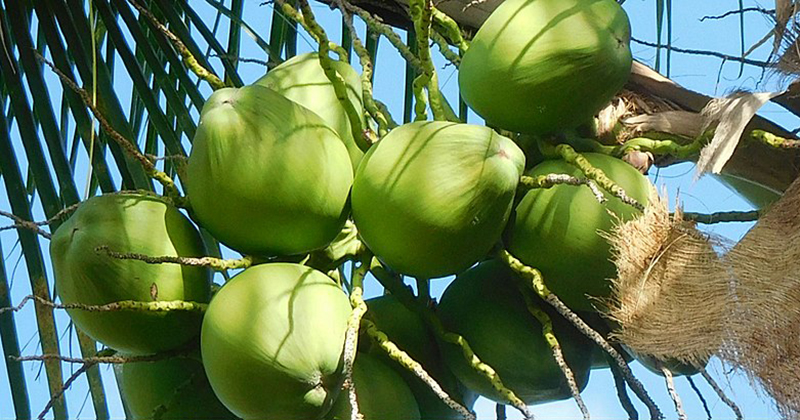
Substância extraída do coco-da-bahia, palmeira abundante no Brasil, impede multiplicação do Herpes Simplex Vírus Tipo 1 (HSV-1) – Foto: Filo gèn’ via Wikimedia Commons / CC BY-SA 4.0

Nos frutos do coqueiro-da-bahia, uma palmeira muito comum no litoral do Norte e Nordeste do Brasil, está uma opção promissora para combater o Herpes Simplex Vírus Tipo 1 (HSV-1), causador de infecções e lesões pelo corpo. Por meio de testes em laboratório, pesquisadores da Faculdade de Medicina de Ribeirão Preto (FMRP) da USP descobriram que uma substância extraída das fibras do fruto impede a multiplicação do vírus, com eficiência similar à do medicamento antiviral aciclovir, usado contra infecções causadas pelo HSV-1. A descoberta poderá auxiliar no desenvolvimento de novos medicamentos para o tratamento de doenças provocadas pelo vírus.

O vírus HSV-1 é uma causa comum de lesões orais e genitais, e possui a capacidade de reativação da infecção latente. “Ele é responsável por um amplo espectro de doenças, incluindo infecções primárias ou recorrentes das mucosas, como, por exemplo, gengivoestomatite, herpes labial ou genital, ceratoconjuntivite, infecção neonatal, infecção visceral em hospedeiros imunodeprimidos, encefalite herpética e associação com eritema multiforme”, conta o médico Fernando Borges Honorato, que realizou a pesquisa.

“Entre os medicamentos antivirais eficazes para tratamento das infecções sintomáticas por HSV, o mais utilizado é o aciclovir, o qual inibe a replicação viral, porém proporciona apenas diminuição da duração e da gravidade das lesões recorrentes”, aponta Borges Honorato. “O estudo investigou a presença de atividade antiviral in vitro de extratos brutos e fracionados da espécie Cocos nucifera L. em cultura de células infectadas com o HSV-1”.

A Cocos nucifera L. é uma espécie de palmeira conhecida como coco, coco-da-bahia, coqueiro-da-bahia ou coqueiro-comum, sendo muito comum no Brasil, especialmente no litoral do Norte e Nordeste. “Após a secagem e moagem da parte fibrosa do fruto, o mesocarpo, foram preparados dois extratos, o aquoso, tendo como solvente a água, e o hidroetanólico, cujos solventes são etanol e água”, descreve o médico. “Posteriormente, foram preparadas frações destes extratos, nos quais foram usados como solventes hexano, acetato de etila, metanol e água”.
 
Efeito antiviral 
  
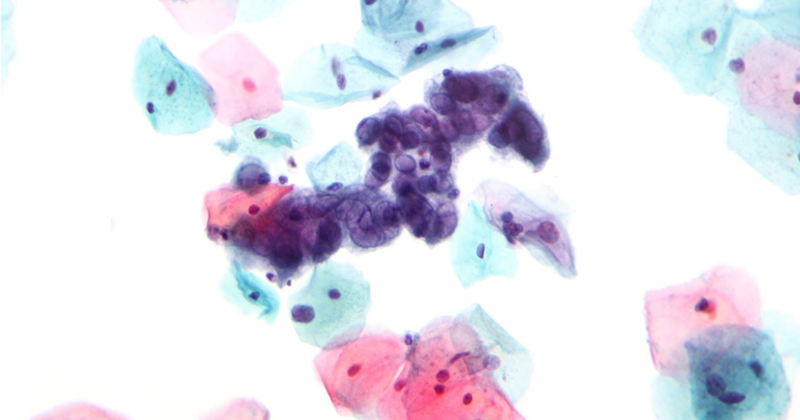
Vírus HSV-1, causa comum de lesões orais e genitais, possui capacidade de reativar infecção latente, que não é impedida pelos medicamentos existentes – Foto: Micrograph via Wikimedia Commons

Inicialmente, foram determinadas as concentrações dos extratos que não eram tóxicas para as células, que foram selecionadas para testar o efeito inibitório da droga sobre a infecção pelo HSV, avaliado pela redução do efeito citopático. “As células foram infectadas com HSV em diversas multiplicidades de infecção (MOI)”, relata Borges Honorato. “Algumas delas foram tratadas com diferentes doses dos extratos, enquanto outras não foram tratadas (controle negativo). Ao final do experimento, foi realizada a quantificação da quantidade de vírus presentes em cada amostra.”

Nos testes em laboratório, uma substância isolada das fibras do fruto da palmeira, chamada inicialmente de CN342B, foi capaz de inibir a replicação do HSV-1, com efeito antiviral comparável ao do aciclovir, enquanto que os extratos brutos, as quatro frações e uma outra substância, CN1A, não foram efetivas. “A substância CN342B isolada das fibras do fruto foi eficaz contra o HSV-1 in vitro’, destaca o médico. “Entretanto, por razões técnicas, ainda não foi possível determinar qual é a substância que foi isolada.”

Segundo Borges Honorato, os resultados do estudo apontam que a CN342B é promissora para o desenvolvimento de um novo medicamento para o tratamento das doenças causadas pelo HSV. “Os próximos passos seriam a identificação da substância e o início de estudos pré-clínicos em modelos animais”, ressalta.

A pesquisa foi orientada pelo professor Fabio Carmona, do Departamento de Puericultura e Pediatria da FMRP, e co-orientada pelos professores Eurico de Arruda Neto, da FMRP, e Ana Maria Soares Pereira, da Universidade de Ribeirão Preto (Unaerp), que preparou os extratos usados no experimento. Os estudos foram realizados no Laboratório de Virologia da FMRP e no Laboratório de Química de Plantas Medicinais do Departamento de Biotecnologia Vegetal da Unaerp.

Mais informações: e-mails nandohonorato@yahoo.com.br, com Fernando Borges Honorato, e carmona@usp.br, com o professor Fábio Carmona 
 
Link:

quinta-feira, 2 de maio de 2019

Filtro solar à base de rutina é antioxidante e aumenta proteção em até 70%

27/03/2019

Substância protege a pele contra o envelhecimento e potencializa o fator de proteção contra raios solares
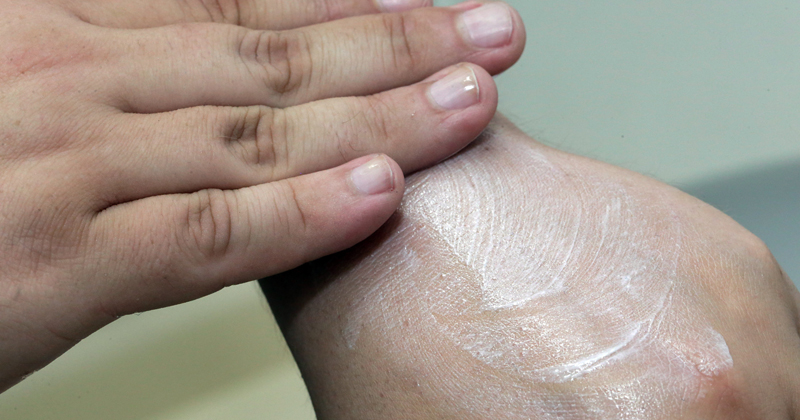
A rutina é uma substância retirada de uma planta do cerrado brasileiro que contém propriedades antioxidantes e confere proteção contra raios solares – Foto: Marcos Santos/USP Imagens

A rutina – substância (bioflavonoide) extraída da fava d’anta, planta originária do cerrado brasileiro – além de ser um potente antioxidante contra o envelhecimento da pele foi capaz de aumentar em até 70% o fator de proteção de um novo fotoprotetor desenvolvido no Laboratório de Cosmetologia da Faculdade de Ciências Farmacêuticas (FCF) da USP. Testes realizados em humanos mostraram que a adição da rutina à formulação resultou em um produto bem mais eficaz que os já existentes no mercado.
Letícia Costa Tomazelli, autora da pesquisa – Foto: Arquivo pessoal

Em um país tropical, onde é alto o índice de câncer de pele pela exposição excessiva ao sol e em horários inadequados, “o desenvolvimento de um novo fotoprotetor, com potencial antioxidante e substâncias bioativas, é indispensável para a prevenção de efeitos deletérios à pele humana”, explica o professor André Rolim Baby, orientador da tese Fotoprotetores bioativos multifuncionais contendo rutina, octil dimetil PAPB e avobenzona; caracterização físico-quimica, funcional e eficácia clínica, de autoria da farmacêutica bioquímica Letícia Costa Tomazelli Yoshida. Segundo dados do Instituto Nacional do Câncer (Inca), no Brasil, o câncer de pele não melanoma é o mais frequente, correspondendo a 30% de todos os tumores malignos registrados no País.

Segundo Letícia, o novo fotoprotetor passou por dois testes (o de segurança e o de eficácia) realizados por dermatologistas em 20 voluntários. No primeiro, foram passadas algumas camadas do fotoprotetor na pele das pessoas para verificar se haveria irritação cutânea. No teste de eficácia, através de um equipamento luminoso que projetava raios que simulavam a radiação solar, foi possível calcular o porcentual de proteção (FSP) que o novo produto ofereceria à pele humana. Segundo a pesquisadora, “o bioflavonoide se mostrou com potencial tão forte como antioxidante que não foi necessário adicionar uma concentração muito alta para se obter o resultado esperado. Com apenas 0,1% de rutina já foi possível verificar aumento de cerca de 40% de eliminação de radicais livres e de 70% quanto ao aumento de fator de proteção”, relata.
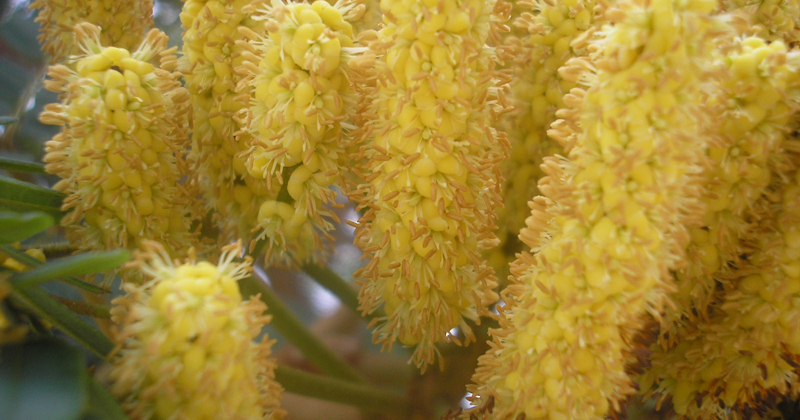
A fava d’anta, planta típica do cerrado brasileiro, é fonte de rutina, que é um potente antioxidante – Foto: Denis A. C. Conrado/Wikimedia Commons

A novidade da pesquisa está no fato de os ensaios terem sido feitos em humanos e o protetor solar apresentar capacidade multifuncional já que além de proteção potencializada contra raios solares, o novo filtro funciona como antioxidante. “Alguns estudos anteriores já haviam mostrado indícios de sucesso na associação da rutina em filtros solares com resultado positivo para antioxidante, mas a resposta em pessoas foi comprovada somente agora”, relata André Rolim.
André Rolim Baby, orientador da pesquisa que deu origem ao novo fotoprotetor multifuncional – Foto: Marcos Santos/USP Imagens

Perguntado se os protetores solares disponíveis no mercado oferecem proteção à pele, o pesquisador afirma que sim, mas explica que o produto com formulação antioxidante tem maior poder de ação.

Quanto aos próximos passos da pesquisa e a possibilidade desse novo produto chegar ao mercado consumidor, Letícia explica que depende do interesse de alguma indústria que faria um estudo de viabilidade econômica (definição do custo final do fotoprotetor e do componente – antioxidante ou fator de proteção – que deveria ser trabalhado no marketing) e o registro na Agência Nacional de Vigilância Sanitária (Anvisa), que demandaria outros testes complementares.

Um artigo sobre a pesquisa, SPF enhancement provided by rutin in a multifunctional sunscreen, foi publicado na International Journal of Pharmaceutics, tendo como primeira autora a pesquisadora Letícia Costa Tomazelli.

Mais informações:e-mails andrerb@usp.br, com André Rolim Baby, ou le_tomazelli@hotmail.com, com Letícia Costa Tomazelli
Política de uso 
A reprodução de matérias e fotografias é livre mediante a citação do Jornal da USP e do autor. No caso dos arquivos de áudio, deverão constar dos créditos a Rádio USP e, em sendo explicitados, os autores. Para uso de arquivos de vídeo, esses créditos deverão mencionar a TV USP e, caso estejam explicitados, os autores. Fotos devem ser creditadas como USP Imagens e o nome do fotógrafo.

segunda-feira, 29 de abril de 2019

Allium sativum L. (Amaryllidaceae). Boletim PLANFAVI, n. 49, Janeiro/março 2019

O alho é considerado uma espécie não endêmica do Brasil e de origem Asiática, porém cultivada por todo o globo devido à sua significativa importância como condimento na culinária e suas propriedades farmacológicas. Os compostos ativos do alho possuem baixa toxicidade e possuem diversos efeitos farmacológicos.

Partes usadas: Bulbilhos.

Usos populares – O alho é usado popularmente no tratamento de infecções do trato respiratório superior, diabetes, hiperlipidemia, hipertensão e prevenção de aterosclerose.

Fitoquímica

O alho é rico em compostos bioativos voláteis e não voláteis, possuindo, em média, 100 destes compostos, em que a grande maioria contém enxofre em sua estrutura (compostos organosulfurados). Os organosulfurados são responsáveis pelo odor característico pungente, sabor e, também, pela maioria dos seus efeitos farmacológicos. A. sativum contém S-alilcisteína, saponinas, ajoeno, flavonoides e fenólicos, sendo que o principal marcador químico é a alicina. Alguns destes compostos têm estabilidade relativamente baixa e curta biodisponibilidade. Estes compostos demonstraram possuir propriedades antioxidantes com potenciais benefícios para a saúde.

Farmacologia O alho apresenta propriedade antibacteriana, antioxidante, fibrinolítica, anticoagulante, anti-hipertensiva, hipolipidêmica e contribui na prevenção da ateriosclerose. A alicina exibiu atividade antibacteriana contra uma ampla gama de bactérias Gram positivas e negativas. É possível que as ligações dissulfeto estejam relacionadas ao efeito antimicrobiano. O efeito hipoglicêmico é atribuído à presença da aliina e alicina. A alicina reduz o colesterol e os triglicerídeos no sangue, assim como reduz o armazenamento do colesterol hepático. Além disso, a S-alilcisteína e S-alilmercaptocisteína exibiram atividades anticarcinogênicas, fornecendo proteção contra danos no fígado. Não há evidencias suficientes para comprovar o efeito dos compostos bioativos no alho para combater a Gripe, uma doença infecciosa provocada por diversos vírus da família Orthomyxoviridae.

Reações adversas

Raros são os relatos de intoxicação com A. sativum. Contudo, o alho apresenta interações medicamentosas com hipotensivos. Necessita atenção em casos de hipertireoidismo, tratamentos com anticoagulantes, gastrite, úlcera gastroduodenal e alergia aos compostos à base de enxofre.

Referências

Amarakoon & Jayasekara. 2017. A review on garlic (Allium sativum L.) as a functional food. J. Pharmacogn. Phytochem., v. 6, p. 1777-1780. 

Azzini et al., 2014. Phytochemicals Content in Italian Garlic Bulb (Allium sativum L.) Varieties. J. Food Res., v.3, p. 26-32. 

Brasil. 2013. Allium sativum (Alho). Ministério da Saúde. Organização: Ministério da Saúde e Anvisa Fonte do Recurso: Ação 20K5 (DAF/ SCTIE/ MS). 

Klassa, B. et al. Avaliação do efeito do alho (Allium sativum L.) sobre o colesterol plasmático em coelhos com hipercolesterolemia induzida. Rev. Bras. Pl. Med., v. 15, p. 557-565.

Lissiman & Bhasale. 2014. Cohen M. Garlic for the common cold. Cochrane Database of Systematic Reviews. Issue 11. Art. No.: CD006206. 

Paudel KR. 2014. Pharmacological effects of traditional herbal plant garlic (Allium sativum): A review. Journal of Kathmandu Medical College, v. 3, p. 158 - 161. 

Tesfaye & Mengesha. 2015. Traditional Uses, Phytochemistry and Pharmacological Properties of Garlic (Allium sativum) and its Biological Active Compounds. International Journal of Scientific Research in Science, Engineering and Technology v. 1, p. 142-148.
Resultado de imagem para Allium sativum