Mostrando postagens com marcador Drogas psicotrópicas. Mostrar todas as postagens

sábado, 14 de setembro de 2019

Cannabis may hold promise to treat PTSD but evidence lags behind use

Date: September 3, 2019 Source: University College London Summary: As growing numbers of people are using cannabis to treat post-traumatic stress disorder (PTSD), a new study reports that prescriptions are not backed up by adequate evidence.

As growing numbers of people are using cannabis to treat post-traumatic stress disorder (PTSD), a new UCL study reports that prescriptions are not backed up by adequate evidence.

The systematic review, published in the Journal of Dual Diagnosis, finds that the active components of cannabis, called cannabinoids, may hold promise as a treatment for PTSD, particularly for reducing nightmares and helping people sleep, but more research is needed to determine whether these drugs should be used in routine clinical practice.

"There has been a recent surge of interest in the use of cannabinoids to treat PTSD, particularly from military veterans, many of whom are already self-medicating or obtaining prescriptions in some American states," said the study's lead author, Dr Chandni Hindocha (UCL Clinical Psychopharmacology Unit).

"The lack of evidence supporting cannabis as a PTSD treatment is striking given the vast interest in it, and the large unmet need for better PTSD treatments," she said.

PTSD is a potentially debilitating condition affecting roughly 1% of the UK population, typically consisting of re-experiencing a traumatic event through intrusive memories, flashbacks or nightmares, and often involves hyper-reactivity (a state of constant vigilance) and insomnia.

Psychotherapies (talking therapies) including trauma-focussed cognitive-behavioural therapy have been shown to be effective for PTSD. However, not everyone can access talking therapies and they do not work for everyone, so many people still need to take prescribed medications. Existing drugs approved for PTSD do not work for everyone, and can have side effects, so researchers say there is an urgent need to identify new treatments.

A growing number of people have turned to cannabinoids, which is an approved treatment for PTSD in most states in the USA that permit medical cannabis.

Cannabinoids, the active ingredients of cannabis, which include tetrahydrocannabinol (THC) and cannabidiol (CBD), may be helpful at treating PTSD as they can change how the brain processes memories. The cannabinoids act on the brain's in-built endocannabinoid system which also regulates other brain functions that are affected by PTSD.

The research team conducted a systematic review of all studies where someone with a PTSD diagnosis has been using a cannabinoid to reduce their symptoms, and they assessed the quality of each study.

They found 10 studies that met their criteria, which cover a range of products including smoked cannabis, THC or CBD separately in oil or pill form, and a synthetic cannabinoid called nabilone.

Every study had medium to high risk of bias and all were assessed as low in quality due to limitations such as small sample size, retrospective study design, lack of a control group or placebo, short follow-up periods, and not reporting other medication use or addiction. Only one study was a randomised controlled trial, investigating nabilone, but it was in a small sample over a relatively short period of time.

The researchers say there are still many unanswered questions about the safety and efficacy of cannabis-based medications for PTSD, and potential long-term effects such as addiction or a risk of psychosis.

The existing evidence shows promise, however, as some studies showed that cannabis products appeared to reduce PTSD symptoms such as insomnia and nightmares.

"Based on the evidence, we cannot yet make any clinical recommendations about using cannabinoids to treat PTSD. Current prescribing of cannabinoids for PTSD is not backed up by high quality evidence, but the findings certainly highlight the need for more research, particularly long-term clinical trials," said the study's senior author, Dr Michael Bloomfield (UCL Psychiatry and the Traumatic Stress Clinic, St Pancras Hospital).

"Many of these studies have been conducted in military veterans, but we also need to be looking at other groups, as PTSD can vary depending on the nature of the trauma so different approaches may benefit different groups," he added.

Dr Hindocha added: "Unfortunately, medicinal uses of cannabis have historically been difficult to study due to legal restrictions, so it could take a long time before there is enough evidence to support clinical recommendations. New approaches are needed to make the most of existing evidence in the meantime."

The study was conducted by researchers at UCL and the University of Amsterdam, and was supported by the National Institute for Health Research UCLH Biomedical Research Centre.

Story Source:

Materials provided by University College London. Note: Content may be edited for style and length.

Journal Reference:
C. Hindocha, J. Cousijn, M. Rall, M. A. P. Bloomfield. The Effectiveness of Cannabinoids in the Treatment of Posttraumatic Stress Disorder (PTSD): A Systematic Review. Journal of Dual Diagnosis, 2019; 1 DOI: 10.1080/15504263.2019.1652380

Cite This Page:
University College London. "Cannabis may hold promise to treat PTSD but evidence lags behind use." ScienceDaily. ScienceDaily, 3 September 2019. <www.sciencedaily.com/releases/2019/09/190903194249.htm>.

quinta-feira, 13 de junho de 2019

Medical marijuana does not reduce opioid deaths

Date: June 10, 2019 Source: Stanford Medicine Summary: Legalizing medical marijuana does not reduce the rate of fatal opioid overdoses, according to researchers.

Legalizing medical marijuana does not reduce the rate of fatal opioid overdoses, according to researchers at the Stanford University School of Medicine.

The finding contradicts a 2014 study that legal-pot advocates, public officials and even physicians have touted as a reason to legalize marijuana. That study found lower rates of fatal opioid overdoses in the states that had legalized marijuana for medical purposes than in states where marijuana remained illegal.

The Stanford study, which revisited the issue after many more states had legalized medical marijuana, found no evidence of a connection between opioid deaths and the availability of medical cannabis, said Keith Humphreys, PhD, professor of psychiatry and behavioral sciences.

"If you think opening a bunch of dispensaries is going to reduce opioid deaths, you'll be disappointed," Humphreys said. "We don't think cannabis is killing people, but we don't think it's saving people."

A paper describing the new study will be published online June 10 in Proceedings of the National Academy of Sciences. Humphreys is the senior author. The lead author is postdoctoral scholar Chelsea Shover, PhD.

Medical pot now legal in 47 states

In 1996, California became the first state to legalize medical marijuana. By 2010, 13 states, most of them in the West, had legalized medical marijuana. Today, 47 states permit some version of medical pot.

For the new study, the Stanford researchers used the same method employed in the 2014 study to evaluate the connection between legalized medical marijuana and fatal opioid overdoses. They confirmed the findings from the 2014 study, but when they looked at opioid deaths up to 2017 -- by which point most states had legalized some form of medical marijuana, if not recreational marijuana -- they found that the opposite was true: States with legal medical marijuana had a higher rate of deaths due to opioid overdose.

After the 2014 study was released, medical marijuana proponents and some public officials interpreted the results to mean that, given access to legalized pot, people would turn to it rather than opioids for pain relief or recreation. Yet when the Stanford researchers compared states that have more restrictive medical marijuana laws with those that allow recreational marijuana, they found no correlation between opioid overdose mortality and the level of restriction.

"Accounting for different types of laws didn't change the bottom line," Shover said.

Also, given that only 2.5% of the U.S. population uses medical marijuana, it's unlikely that use could affect mortality statistics, the researchers said.

'Something else about those states'

Humphreys said the results of the 2014 study may have reflected policies and conditions in states that legalized medical marijuana early. Those states tended to be wealthier and more politically liberal, with greater access to addiction treatment and to naloxone, which reverses the effects of opioids and can prevent overdose fatalities. The states that legalized pot early also incarcerate fewer people for drug use, Humphreys added. When people are released from prison, where they lack access to drugs and lose tolerance to them, they may try to use the same levels as they did before they were incarcerated, leading to overdose.

The finding of lower death rates "wasn't about the cannabis," Humphreys said. "It was something else about those states."

Humphreys and Shover said they believe that medical marijuana provides benefits and that research into its effectiveness should continue.

"There are valid reasons to pursue medical cannabis policies, but this doesn't seem to be one of them," Shover said. "I urge researchers and policymakers to focus on other ways to reduce mortality due to opioid overdoses."

Story Source:

Materials provided by Stanford Medicine. Note: Content may be edited for style and length.

Journal Reference:
Chelsea L. Shover, Corey S. Davis, Sanford C. Gordon, Keith Humphreys. Association between medical cannabis laws and opioid overdose mortality has reversed over time. Proceedings of the National Academy of Sciences, 2019; 201903434 DOI: 10.1073/pnas.1903434116

Cite This Page:
Stanford Medicine. "Medical marijuana does not reduce opioid deaths." ScienceDaily. ScienceDaily, 10 June 2019. <www.sciencedaily.com/releases/2019/06/190610151933.htm>.

Origins of cannabis smoking

Evidence from ancient burials at high elevations

Date: June 12, 2019

Source: Max Planck Institute for the Science of Human History Summary: A chemical residue study of incense burners from ancient burials at high elevations in western China has revealed psychoactive cannabinoids. The finding provides some of the earliest evidence for the use of cannabis for its psychoactive compounds.
Cannabis plant (stock image).
Credit: © EpicStockMedia / Adobe Stock

Cannabis has been cultivated as an oil-seed and fibre crop for millennia in East Asia. Little is known, however, about the early use and eventual cultivation of the plant for its psychoactive and medicinal properties. Despite being one of the most widely used psychoactive drugs in the world today, there is little archaeological or historical evidence for the use of marijuana in the ancient world. The current study, published in the journal Science Advances, identified psychoactive compounds preserved in 2,500-year-old funerary incense burners from the Jirzankal Cemetery in the eastern Pamirs. Researchers from the Max Planck Institute for the Science of Human History, the Chinese Academy of Sciences, and the Chinese Academy of Social Sciences have shown that people were selecting plants with higher levels of THC, and burning them as part of mortuary rituals. This is the earliest clear evidence to date of cannabis being used for its psychoactive properties.

Cannabis is one of the most infamous plants on the planet today, especially in light of rapidly changing legislation surrounding its legalisation in Europe and America. Despite the popularity of the plant for its psychoactive properties, very little is known about the earliest use or cultivation of cannabis for its mind-altering effects. Cannabis plants were cultivated in East Asia for their oily seeds and fibre from at least 4000 BC. However, the early cultivated varieties of cannabis, as well as most wild populations, have low levels of THC and other cannabinoid compounds with psychoactive properties. Therefore, it has been a long-standing mystery as to when and where specific varieties of the plant with higher levels of these compounds were first recognized and used by humans. Many historians place the origins of cannabis smoking on the ancient Central Asian steppes, but these arguments rely solely on a passage from a single ancient text from the late first millennium BC, written by the Greek historian Herodotus. Archaeologists have thus long sought to identify concrete evidence for cannabis smoking in Eurasia, but to date, there are few reliable, well-identified and properly dated examples of early cannabis use.

The researchers in the current study uncovered the early cannabis use when they sought to identify the function of ancient wooden burners discovered by archaeologists from the Chinese Academy of Social Sciences, who were excavating in the high mountainous regions of eastern China. The burners were recovered from 2500-year-old tombs in the Pamir mountain range. The international research team used a method called gas chromatography-mass spectrometry to isolate and identify compounds preserved in the burners. To their surprise, the chemical signature of the isolated compounds was an exact match to the chemical signature of cannabis. Moreover, the signature indicated a higher level of THC than is normally found in wild cannabis plants.

The data produced by the research effort, which brought together archaeologists and laboratory scientists from Jena, Germany and Beijing, China, provides clear evidence that ancient people in the Pamir Mountains were burning specific varieties of cannabis that had higher THC levels. The findings corroborate other early evidence for cannabis from burials further north, in the Xinjiang region of China and in the Altai Mountains of Russia. As Nicole Boivin, Director at the Max Planck Institute for the Science of Human History notes, "The findings support the idea that cannabis plants were first used for their psychoactive compounds in the mountainous regions of eastern Central Asia, thereafter spreading to other regions of the world."

Cannabis likely spread across exchange routes along the early Silk Road

The THC-containing residues were extracted from burners from a cemetery known as Jirzankal in the remote Pamir Mountains. Some of the skeletons recovered from the site, situated in modern-day western China, have features that resemble those of contemporaneous peoples further west in Central Asia. Objects found in the burials also appear to link this population to peoples further west in the mountain foothills of Inner Asia. Additionally, stable isotope studies on the human bones from the cemetery show that not all of the people buried there grew up locally.

These data fit with the notion that the high-elevation mountain passes of Central and Eastern Asia played a key role in early trans-Eurasian exchange. Indeed, the Pamir region, today so remote, may once have sat astride a key ancient trade route of the early Silk Road. The Silk Road was at certain times in the past the single most important vector for cultural spread in the ancient world. Robert Spengler, the lead archaeobotanist for the study, also at the Max Planck Institute for the Science of Human History, explains, "The exchange routes of the early Silk Road functioned more like the spokes of a wagon wheel than a long-distance road, placing Central Asia at the heart of the ancient world. Our study implies that knowledge of cannabis smoking and specific high-chemical-producing varieties of the cannabis plant were among the cultural traditions that spread along these exchange routes."

People sought and later cultivated more psychoactive varieties of cannabis for use in burial rituals

Compared to cultivated varieties, wild cannabis plants contain lower levels of THC, one of the psychoactive compounds in cannabis. It is still unclear whether the people buried at Jirzankal actively cultivated cannabis or simply sought out higher THC-producing plants. One theory is that cannabis plants will produce greater quantities of active compounds in response to increased UV radiation and other stressors related to growing at higher elevations. So people roaming the high mountainous regions may have discovered more potent wild plants there, and initiated a new kind of use of the plant.

While modern cannabis is used primarily as a recreational drug or for medical applications, cannabis may have been used rather differently in the past. The evidence from Jirzankal suggests that people were burning cannabis at rituals commemorating the dead. They buried their kin in tombs over which they created circular mounds, stone rings and striped patterns using black and white stones.

Whether cannabis also had other uses in society is unclear, though it seems likely that the plant's ability to treat a variety of illnesses and symptoms was recognized early on. Yimin Yang, researcher at the University of the Chinese Academy of Sciences in Beijing observes, "This study of ancient cannabis use helps us understand early human cultural practices, and speaks to the intuitive human awareness of natural phytochemicals in plants." Dr. Yang has studied ancient organic residues in East Asia for over ten years. He notes that "biomarker analyses open a unique window onto details of ancient plant exploitation and cultural communication that other archaeological methods cannot offer."

Professor Boivin points out that "given the modern political climate surrounding the use of cannabis, archaeological studies like this can help us to understand the origins of contemporary cultural practice and belief structures -- which, in turn, can inform policy." As Dr. Spengler observes, "Modern perspectives on cannabis vary tremendously cross-culturally, but it is clear that the plant has a long history of human use, medicinally, ritually, and recreationally, over countless millennia."

Story Source:

Materials provided by Max Planck Institute for the Science of Human History. Note: Content may be edited for style and length.

Related Multimedia:

Journal Reference:
Meng Ren, Zihua Tang, Xinhua Wu, Robert Spengler, Hongen Jiang, Yimin Yang, Nicole Boivin. The origins of cannabis smoking: Chemical residue evidence from the first millennium BCE in the Pamirs. Science Advances, 2019; 5 (6): eaaw1391 DOI: 10.1126/sciadv.aaw1391

Cite This Page:
Max Planck Institute for the Science of Human History. "Origins of cannabis smoking: Evidence from ancient burials at high elevations." ScienceDaily. ScienceDaily, 12 June 2019. <www.sciencedaily.com/releases/2019/06/190612165603.htm>.

segunda-feira, 1 de outubro de 2018

“Cannabis” pode agir na cura de doenças crônicas e autismo

25.07.2018

A “Cannabis” e os canabinoides são temas de simpósio promovido pela Liga Acadêmica de Psiquiatria da FMRP

o volume.

A Cannabis, popularmente conhecida como maconha, surgiu nas últimas décadas como uma panaceia capaz de tratar várias doenças, que vão das dores crônicas ao autismo. Dessa substância é possível retirar mais de 400 compostos; os principais são o Tetra-Hidrocanabinol, conhecido como THC, responsável pelos efeitos psicoativos e neurotóxicos, e o Canabidiol, ou CBD, que possui diversas possibilidades terapêuticas e até efeitos protetores contra os danos do próprio THC.

O professor Antônio Waldo Zuardi, da Faculdade de Medicina de Ribeirão Preto (FMRP) da USP explicou que os canabinoides são mais de 80 substâncias que existem na Cannabis. Zuardi também comentou que no fim de 2018 será inaugurado a parte física do Centro de Pesquisa de Canabidiol da FMRP.

Já o professor Cláudio do Prado Amaral, da Faculdade de Direito de Ribeirão Preto (FDRP) da USP, destaca que a venda desautorizada dos canabinoides é crime, entretanto, no uso para cura, se comprovado que a Cannabis funciona, pode ser usada sem ser considerada infração.

A Cannabis e os canabinoides são temas de simpósio promovido pela Liga Acadêmica de Psiquiatria da FMRP. No evento serão discutidos o uso, abuso e efeitos terapêuticos das substâncias. O simpósio será nesta quinta, no Auditório da Faculdade de Direito, campus da USP, Avenida dos Bandeirantes, 3.900 em Ribeirão Preto. Mais informações sobre o evento neste link.

Ouça a entrevista no link acima

quarta-feira, 26 de setembro de 2018

Processo obtém compostos ativos da Cannabis para a produção de medicamentos

25.09.2028
Unicamp transfere, para startup, tecnologia de extração supercrítica desenvolvida na Faculdade de Engenharia de Alimentos


FOTOS DIVULGAÇÃO

EDIÇÃO DE IMAGEM LUIS PAULO SILVA

O uso da Cannabis para fins terapêuticos tem sido alvo de discussões há anos por todo o mundo, sob o olhar atento de especialistas e pressão da sociedade, especialmente daqueles que possuem em suas famílias casos pessoas com doenças crônicas, passíveis de serem tratadas com medicamentos à base da Cannabis. Ao longo dos anos, as pesquisas têm avançado nessa área. Entretanto, apesar da urgência por uma solução, no Brasil, o impasse está na esfera federal.

A Anvisa (Agência Nacional de Vigilância Sanitária) autorizou, em janeiro de 2015, o uso terapêutico de canabidiol, que é um dos principais compostos ativos da Cannabis. Desde então, não houve muitos avanços no ambiente regulatório nacional, uma vez que não se concretizou a abertura pela Anvisa de audiência pública para tratar não somente da regulamentação da cultura da Cannabis no Brasil, mas também da comercialização no mercado de acesso, voltada para ensaios clínicos e venda de produtos baseados em Cannabis.

Se, no que tange a regulamentação, há um atraso nas definições nacionais, no que se refere à inovação, o Brasil saiu à frente do mundo no último ano, com o desenvolvimento de um processo totalmente inovador elaborado a partir de um contrato de transferência de know how da Unicamp para a startup Entourage Phytolab, uma empresa brasileira de Pesquisa e Desenvolvimento (P&D) de medicamentos à base de Cannabis.

O contrato de transferência de tecnologia foi aprovado pelo Conselho Universitário, órgão máximo da Universidade, e negociado pela Agência de Inovação Inova Unicamp, com foco na aplicação da tecnologia de extração supercrítica para a obtenção seletiva de compostos ativos da Cannabis, que serão base para a composição de medicamentos.

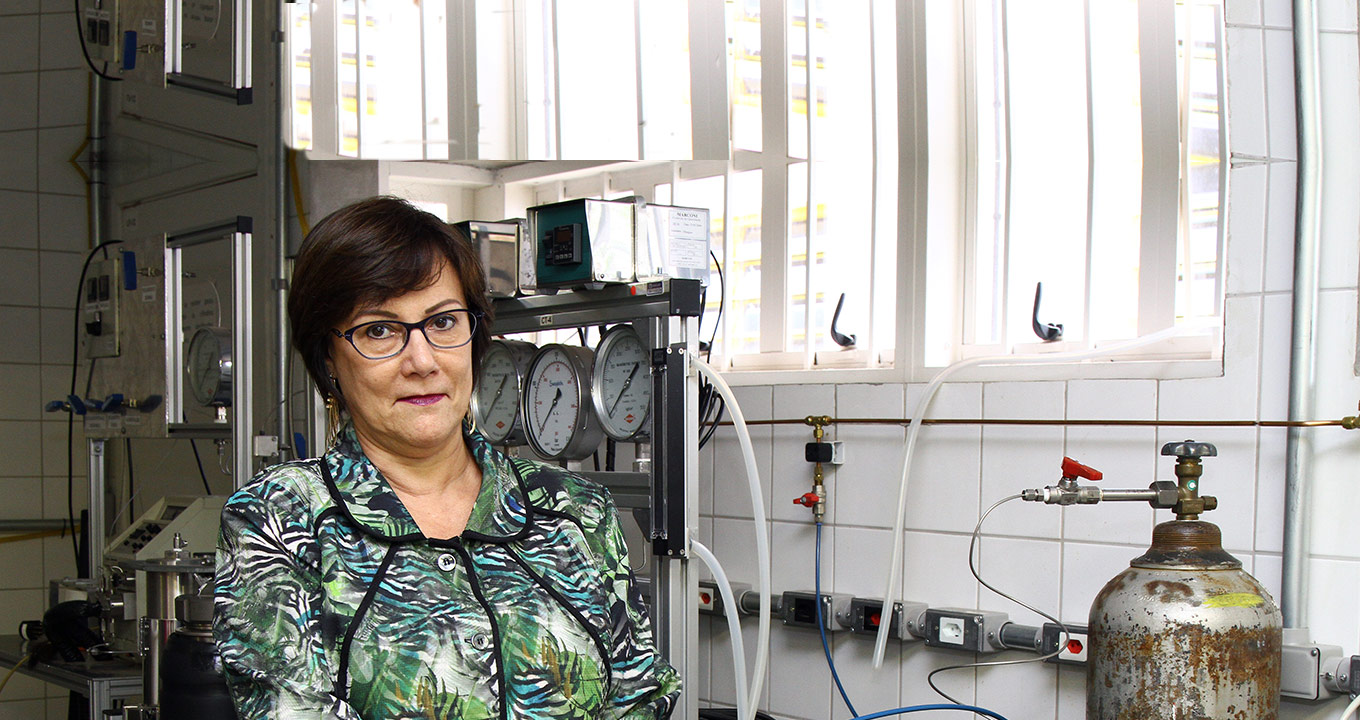
Depois da aprovação junto ao Conselho, o desenvolvimento ocorreu nos laboratórios da Faculdade de Engenharia de Alimentos (FEA) da Unicamp, pela professora Maria Ângela de Almeida Meireles e seu grupo de pesquisa. Maria Ângela explica que a Cannabis possui mais de 500 compostos ativos e que o processo desenvolvido atua na extração de pelo menos 120 das famílias de THC (tetrahidrocanabinol), que é o composto ligado à sensação de relaxamento, redução da dor, e aumento do apetite, e do cannabidiol, que tem sido voltado mais recentemente para o tratamento de crianças com epilepsia refratária.

Com o processo pronto, Maria Ângela afirma que a Entourage possui uma tecnologia muito avançada quando comparada às outras empresas no setor, pois obteve um produto totalmente diferenciado, a partir de matéria-prima certificada e com um processo verde, que obtém compostos ativos sem resíduos. “Os processos de extração tradicionais aplicados às plantas podem obter compostos com resíduos de solventes e neste caso, a aplicação medicinal pode ser prejudicada em função destes resíduos. Já no caso da extração supercrítica, o solvente é o dióxido de carbono que é 100% removido e pode ser reciclado, o que também tem uma função ecológica”, explica a docente. Atualmente os pesquisadores da Unicamp estão finalizando o estudo de aumento de escala.

Caio Abreu, que é fundador da Entourage Phytolab, comenta que a empresa está com o projeto pronto para construir as instalações farmacêuticas de acordo com as Boas Práticas de Fabricação, mas aguarda a evolução do marco regulatório para iniciar a construção da planta, que será na cidade de Valinhos (SP). “Existe uma urgência na regulamentação, pois muitas famílias no mundo inteiro vêm utilizando produtos sem controle de qualidade”, avalia Abreu. Segundo ele, com a tecnologia desenvolvida por meio da transferência de tecnologia na Unicamp, a Entourage tem condições de oferecer um produto farmacêutico de característica inovadora em caráter internacional.

“A gente acredita no chamado efeito entourage, no qual os vários componentes da planta, trabalhando em conjunto, são mais seguros e eficazes do que as substâncias isoladas. O nome da empresa vem daí. Com o processo desenvolvido na Unicamp pronto, nosso produto final precisa de três vezes menos cannabidiol, o que pode proporcionar menos efeitos colaterais, porém com eficácia”, avalia Abreu.

Testes em humanos

Abreu explica que atualmente o principal produto da empresa está em fase de ensaios pré-clínicos no CIEnP (Centro de Inovação e Estudos Pré-Clínicos) em Florianópolis. “Os testes clínicos devem ser iniciados em 2019”, afirma o empreendedor.

Imagem de capa JU-online

quinta-feira, 6 de setembro de 2018

In test with rats, cannabidiol showed sustained effects against depression for seven days

Date: August 30, 2018 Source: Fundação de Amparo à Pesquisa do Estado de São Paulo Summary: First results appeared 24h after one single dose of the marijuana component; scientists concluded that CBD activate mechanisms which repair neuronal circuitry in patients' prefrontal cortex and hippocampus.

Commercial antidepressants typically take two to four weeks to have a significant effect on a depressed patient. They are also inneffective in approximately 40% of the cases. Finding new drugs for depression that are fast-acting and have more lasting effects is the goal of research conducted by Brazilian scientists in São Paulo State in collaboration with Danish colleagues.

Their study found that a single dose of cannabidiol in rats with symptoms of depression was highly effective, eliminating the symptoms on the same day and maintaining the beneficial effects for a week.

The findings reinforce those of prior research showing that cannabidiol, a component of Cannabis sativa, the plant most commonly used to make marijuana, has promising therapeutic potential in the treatment of broad-spectrum depression in preclinical and human models.

The results have been published in an article in the journal Molecular Neurobiology by researchers of the group led by Sâmia Regiane Lourenço Joca, a professor in the University of São Paulo's Ribeirão Preto School of Pharmaceutical Sciences (FCFRP-USP) in Brazil.

The first author is Amanda Juliana Sales, who has a PhD scholarship from the São Paulo Research Foundation -- FAPESP. The research itself was supported by FAPESP via a Thematic Project, by Brazil's National Council for Scientific and Technological Development (CNPq), and by Denmark's Aarhus University Research Foundation.

FAPESP Thematic Project coordinator Francisco Silveira Guimarães, who is also a professor at the University of São Paulo's Ribeirão Preto Medical School (FMRP-USP), stresses that cannabidiol produces neither dependence nor psychotropic effects, despite being extracted from marijuana plant. "The main psychoactive component of marijuana is tetrahydrocannabinol, known as THC. Cannabidiol, on the contrary, blocks some of the effects of THC," he said.

Methodology

The researchers performed tests using rat and mouse lines selected by cross-breeding to develop symptoms of depression. The tests and behavioral analysis involved a total of 367 animals.

Five tests were performed altogether. "We submitted the animals to situations of stress such as the forced swimming test," said Joca, who is also a visiting professor at Aarhus University.

Before the test, some of the animals were given an injection of cannabidiol with doses of 7, 10 and 30 mg/kg in saline solution, and the rest, which were the control group, received only saline.

After 30 minutes, the animals were placed for five minutes in cylinders with a height of 25 cm and a diameter of 17 cm, containing 10 cm of water for mice and 30 cm of water for rats.

"The water depth is calculated to force them to swim by preventing them from touching the bottom with their feet or tails. They learn to float after swimming for a short time. They remain practically immobile while floating, merely keeping their heads above water to avoid drowning. This floating behavior, when they stop swimming, is classified as immobility," said the FAPESP-supported researcher.

"The forced swim test is used to measure the effect of antidepressant drugs because all known antidepressants shorten the duration of immobility and hence lengthen swim time. A reduction in immobility time in this test is interpreted as 'antidepressant-like' behavior."

The researchers found that cannabidiol induced acute and sustained antidepressant-like effects in mice submitted to the forced swim test.

"However, to make sure this result isn't due to the increase in movement caused by a psychostimulant effect leading the animals to swim more vigorously, for example, we performed a separate test to control for locomotor activity," Joca explained.

"To do this we used the open-field test, which consists of putting the animal in a novel arena and letting it explore the new environment freely while its locomotor and exploratory activity is recorded. A drug is said to have potential antidepressant effects if it reduces immobility time and increases swim time in the forced swim test without increasing locomotor activity in the open-field test, showing that the effects observed in the forced swim test aren't secondary to nonspecific alterations in locomotor activity."

Restoration of neuronal circuitry

The conclusion was that the effects of treatment with cannabidiol were fast-acting and sustained, persisting for up to seven days after a single dose was administered to animals belonging to different models of depression (including a stress model and a genetic susceptibility model).

Seven days after treatment, the researchers observed a rise in the number of synaptic proteins in the prefrontal cortex, which is closely linked to depression in humans. "In light of this finding, we believe cannabidiol rapidly triggers neuroplastic mechanisms that help repair the neuronal circuitry that gets damaged in depression," Joca said.

"When we studied the mechanisms involved in these effects, we found that treatment with cannabidiol induces a rapid rise in levels of brain-derived neurotrophic factor, or BDNF, a neurotrophin that plays a key role in neuronal survival and neurogenesis, the formation of new neurons in the brain," Joca said. "We also observed an increase in synaptogenesis in the prefrontal cortex of these animals." Synaptogenesis is the formation of synapses between neurons in the central nervous system.

The beneficial action of cannabidiol is not limited to the prefrontal cortex, however. "In a separate study, we showed that the effects of cannabidiol also involve neuroplastic mechanisms in the hippocampus, another structure involved in the neurobiology of depression," noted the FAPESP-funded researcher.

According to Joca, if studies in humans also find cannabidiol to be beneficial in treating depression, given that cannabidiol is already used in humans to treat other diseases or disorders, "they could result in an important advance in the treatment of depression, potentially helping patients who suffer for weeks, often with a risk of suicide, until the treatment starts working."

Studies in humans

The researchers are currently investigating other mechanisms involved in the effects of cannabidiol, as well as its efficacy in animal models of resistance to conventional treatment.

"For example, we're studying whether cannabidiol would also be effective in patients who don't respond to conventional therapy and whether combining it with antidepressants would improve their symptoms. Indeed, we've just published another paper in the journal Progress in Neuro-Psychopharmacology and Biological Psychiatry, showing that treatment with cannabidiol facilitates serotonergic neurotransmission in the central nervous system and that combining it with low doses of selective serotonin reuptake inhibitor antidepressant drugs, or SSRIs, such as fluoxetine induces a significant antidepressant effect," Joca said.

"So there's a possibility that combining cannabidiol with SSRIs might allow the latter to be used in lower doses, perhaps reducing their adverse side-effects while maintaining the therapeutic effect of higher doses."

According to the authors, therefore, cannabidiol may not only be a faster-acting antidepressant than conventional drugs but also improve the response to such drugs when taken in combination with them.

"Our evidence suggests these effects occur by inducing neuroplastic alterations in the prefrontal cortex and hippocampus, which are brain structures involved in the development of depression. Because cannabidiol is used in humans to treat other conditions, we believe it can also be studied in humans for the treatment of depression in the near future," Joca said.

Story Source:

Materials provided by Fundação de Amparo à Pesquisa do Estado de São Paulo. Note: Content may be edited for style and length.

Journal Reference:
Amanda J. Sales, Manoela V. Fogaça, Ariandra G. Sartim, Vitor S. Pereira, Gregers Wegener, Francisco S. Guimarães, Sâmia R. L. Joca. Cannabidiol Induces Rapid and Sustained Antidepressant-Like Effects Through Increased BDNF Signaling and Synaptogenesis in the Prefrontal Cortex. Molecular Neurobiology, 2018; DOI: 10.1007/s12035-018-1143-4

Cite This Page:
Fundação de Amparo à Pesquisa do Estado de São Paulo. "In test with rats, cannabidiol showed sustained effects against depression for seven days." ScienceDaily. ScienceDaily, 30 August 2018. <www.sciencedaily.com/releases/2018/08/180830113004.htm>.

Scientists decode opium poppy genome

Scientists have determined the DNA code of the opium poppy genome

Date: August 30, 2018 Source: University of York Summary: Scientists have determined the DNA code of the opium poppy genome, uncovering key steps in how the plant evolved to produce the pharmaceutical compounds used to make vital medicines. The discovery may pave the way for scientists to improve yields and the disease resistance of the medicinal plant, securing a reliable and cheap supply of the most effective drugs for pain relief and palliative care.
Field of poppies, Papaver somniferum.
Credit: © Geza Farkas / Fotolia

Scientists have determined the DNA code of the opium poppy genome, uncovering key steps in how the plant evolved to produce the pharmaceutical compounds used to make vital medicines.

The discovery may pave the way for scientists to improve yields and the disease resistance of the medicinal plant, securing a reliable and cheap supply of the most effective drugs for pain relief and palliative care.

The breakthrough, by researchers at the University of York in partnership with the Wellcome Sanger Institute, UK, and international colleagues, reveals the origins of the genetic pathway leading to the production of the cough suppressant noscapine and painkiller drugs morphine and codeine.

Co-corresponding author, Professor Ian Graham, from the Centre for Novel Agricultural Products, Department of Biology at the University of York, said: "Biochemists have been curious for decades about how plants have evolved to become one of the richest sources of chemical diversity on earth. Using high quality genome assembly, our study has deciphered how this has happened in opium poppy.

"At the same time this research will provide the foundation for the development of molecular plant breeding tools that can be used to ensure there is a reliable and cheap supply of the most effective painkillers available for pain relief and palliative care for societies in not just developed but also developing world countries."

Synthetic biology based approaches to manufacturing compounds such as noscapine, codeine and morphine are now being developed whereby genes from the plant are engineered into microbial systems such as yeast to enable production in industrial fermenters. However, opium poppy remains the cheapest and sole commercial source of these pharmaceutical compounds by some distance.

The scientists from the University of York and Wellcome Sanger Institute in the United Kingdom together with colleagues from Xi'an Jiaotong University and Shanghai Ocean University in China and Sun Pharmaceutical Industries (Australia) Pty Ltd, produced a high quality assembly of the 2.7 GigaBase genome sequence distributed across 11 chromosomes.

This enabled the researchers to identify a large cluster of 15 genes that encode enzymes involved in two distinct biosynthetic pathways involved in the production of both noscapine and the compounds leading to codeine and morphine.

Plants have the capacity to duplicate their genomes and when this happens there is freedom for the duplicated genes to evolve to do other things. This has allowed plants to develop new machinery to make a diverse array of chemical compounds that are used to defend against attack from harmful microbes and herbivores and to attract beneficial species such as bees to assist in pollination.

The genome assembly allowed the researchers to identify the ancestral genes that came together to produce the STORR gene fusion that is responsible for the first major step on the pathway to morphine and codeine. This fusion event happened before a relatively recent whole genome duplication event in the opium poppy genome 7.8 million years ago.

Co-corresponding author Professor Kai Ye from Xi'an Jiaotong University said "A highly repetitive plant genome and the intermingled evolutionary events in the past 100 million years complicated our analysis. We utilized complementary cutting-edge genome sequencing technologies with sophisticated mathematical models and analysis methods to investigate the evolutionary history of the opium poppy genome.

"It is intriguing that two biosynthetic pathways came to the same genomic region due to a series of duplication, shuffling and fusion structural events, enabling concerted production of novel metabolic compounds."

Joint first author Professor Zemin Ning from the Wellcome Trust Sanger Institute said "Combining various sequencing technologies is the key for producing a high quality assembly for opium poppy genome. With a genome size similar to humans, the main challenge for this project was to handle repeat elements which make up 70.9% of the genome."

Story Source:

Materials provided by University of York. Note: Content may be edited for style and length.

Journal Reference:
Li Guo, Thilo Winzer, Xiaofei Yang, Yi Li, Zemin Ning, Zhesi He, Roxana Teodor, Ying Lu, Tim A. Bowser, Ian A. Graham, Kai Ye. The opium poppy genome and morphinan production. Science, 2018; eaat4096 DOI: 10.1126/science.aat4096

Cite This Page:
University of York. "Scientists decode opium poppy genome: Scientists have determined the DNA code of the opium poppy genome." ScienceDaily. ScienceDaily, 30 August 2018. <www.sciencedaily.com/releases/2018/08/180830143149.htm>.

quarta-feira, 22 de agosto de 2018

Cannabinoid improves survival rates of mice with pancreatic cancer

Date: July 30, 2018 Source: Queen Mary University of London Summary: Mice with pancreatic cancer that were treated with a naturally occurring constituent of medicinal cannabis alongside chemotherapy, survived almost three times longer than those treated with chemotherapy alone, a new study reports.

Mice with pancreatic cancer that were treated with a naturally occurring constituent of medicinal cannabis alongside chemotherapy, survived almost three times longer than those treated with chemotherapy alone, a new study reports.

The study is published in the journal Oncogene and was led by Queen Mary University of London and Curtin University, Australia. It tested the impact of the cannabinoid Cannabidiol (CBD) on the use of the commonly used chemotherapy medication Gemcitabine as a treatment for pancreatic cancer in mice.

Each year around 9,800 people in the UK are diagnosed with pancreatic cancer. The disease is particularly aggressive and has one of the lowest survival rate of all cancers.

Lead researcher Professor Marco Falasca from Queen Mary University of London said: "This is a remarkable result. We found that mice with pancreatic cancer survived nearly three times longer if a constituent of medicinal cannabis was added to their chemotherapy treatment.

"Cannabidiol is already approved for use in clinics, which means we can quickly go on to test this in human clinical trials. If we can reproduce these effects in humans, cannabidiol could be in use in cancer clinics almost immediately, compared to having to wait for authorities to approve a new drug.

"The life expectancy for pancreatic cancer patients has barely changed in the last 40 years because there are very few, and mostly only palliative care, treatments available. Given the five-year survival rate for people with pancreatic cancer is less than seven per cent, the discovery of new treatments and therapeutic strategies is urgently needed."

The cannabinoid CBD does not cause psychoactive effects, as opposed to tetrahydrocannabinol (THC) -- the cannabinoid known to cause the psychoactive effects in cannabis. As such, CBD is already cleared for use in the clinic, and does not face the same challenges as products including cannabis oil, which contain controlled substances such as THC.

The researchers add that CBD is also known to improve the side effects of chemotherapy, including nausea, diarrhea, vomiting, meaning it could also improve the quality of life of patients undergoing chemotherapy.

The research was supported by the UK charity Pancreatic Cancer Research Fund and the Avner Pancreatic Cancer Foundation and also involved researchers from The Beatson Institute for Cancer Research in Scotland.

The study only looked at the effect of this treatment in mice, and clinical trials in humans are needed to confirm whether or not CBD improves survival rates of pancreatic cancer patients.

Story Source:

Materials provided by Queen Mary University of London. Note: Content may be edited for style and length.

Journal Reference:
R. Ferro, A. Adamska, R. Lattanzio, I. Mavrommati, C. E. Edling, S. A. Arifin, C. A. Fyffe, G. Sala, L. Sacchetto, G. Chiorino, V. De Laurenzi, M. Piantelli, O. J. Sansom, T. Maffucci, M. Falasca. GPR55 signalling promotes proliferation of pancreatic cancer cells and tumour growth in mice, and its inhibition increases effects of gemcitabine. Oncogene, 2018; DOI: 10.1038/s41388-018-0390-1

Cite This Page:
Queen Mary University of London. "Cannabinoid improves survival rates of mice with pancreatic cancer." ScienceDaily. ScienceDaily, 30 July 2018. <www.sciencedaily.com/releases/2018/07/180730160618.htm>.

segunda-feira, 30 de julho de 2018

How cannabis and cannabis-based drugs harm your brain

Date: July 23, 2018 Source: Lancaster University Summary: Long-term use of either cannabis or cannabis-based drugs impairs memory, say researchers. Their study has implications for both recreational users and people who use the drug to combat epilepsy, multiple sclerosis and chronic pain.
Cannabis (stock image).
Credit: © Iarygin Andrii / Fotolia

Long-term use of either cannabis or cannabis-based drugs impairs memory say researchers.

The study has implications for both recreational users and people who use the drug to combat epilepsy, multiple sclerosis and chronic pain.

They found that mice exposed to the drug long-term had "significant ... memory impairments" and could not even discriminate between a familiar and novel object.

There is little understanding of the potential negative side effects of long-term cannabinoid exposure, though it is already known that heavy, regular cannabis use increases the risk of developing mental health problems including psychosis and schizophrenia.

More and more people are using the drug long-term due to its legalisation in several countries, while more potent varieties are available for recreational users.

Researchers from Lancaster and Lisbon Universities studied the effects of the cannabinoid drug WIN 55,212-2 in mice and found that:
  • Long-term exposure impairs learning and memory in the animals
  • Brain imaging studies showed that the drug impairs function in key brain regions involved in learning and memory
  • Long-term exposure to the drug impairs the ability of brain regions involved in learning and memory to communicate with each other, suggesting that this underlies the negative effects of the drug on memory

Dr Neil Dawson, the lead researcher from Lancaster University said "This work offers valuable new insight into the way in which long-term cannabinoid exposure negatively impacts on the brain. Understanding these mechanisms is central to understanding how long-term cannabinoid exposure increases the risk of developing mental health issues and memory problems."

He also highlighted the relevance of the work to those using cannabinoid-based therapies to treat medical conditions.

"Cannabis-based therapies can be very effective at treating the symptoms of chronic diseases such as epilepsy and multiple sclerosis, and dramatically increase the quality of life for people living with these conditions. We need to understand the side effects that these people may experience so that we can develop new interventions to minimise these side effects."

Professor Ana Sebastiao, lead researcher at the University of Lisbon, said: "Importantly, our work clearly shows that prolonged cannabinoid intake, when not used for medical reasons, does have a negative impact in brain function and memory. It is important to understand that the same medicine may re-establish an equilibrium under certain diseased conditions, such as in epilepsy or MS, but could cause marked imbalances in healthy individuals. "As for all medicines, cannabinoid based therapies have not only beneficial disease-related actions, but also negative side effects. It is for the medical doctor to weight the advantages of the therapy, taking into consideration quality of life and diseases progression, against the potential side effects."

The research was published in the Journal of Neurochemistry and was conducted as part of the European Commission Horizon 2020 funded SynaNET project.

Story Source:

Materials provided by Lancaster University. Note: Content may be edited for style and length.

Journal Reference:
Francisco M Mouro, Joaquim A Ribeiro, Ana M Sebastião, Neil Dawson. Chronic, intermittent treatment with a cannabinoid receptor agonist impairs recognition memory and brain network functional connectivity. Journal of Neurochemistry, 2018; DOI: 10.1111/jnc.14549

Cite This Page:
Lancaster University. "How cannabis and cannabis-based drugs harm your brain." ScienceDaily. ScienceDaily, 23 July 2018. <www.sciencedaily.com/releases/2018/07/180723132251.htm>.

How cannabis affects appetite: Brain changes

Date: July 17, 2018 Source: Society for the Study of Ingestive Behavior Summary: New research on how cannabis use alters eating behavior could lead to treatments for appetite loss in chronic illness, according to experts. Using a new procedure to dose lab rats with cannabis vapor, the researchers found how the drug triggers hunger hormones. They also identified specific brain regions that shift to 'hungry' mode while under the influence.

New research on how cannabis use alters eating behavior could lead to treatments for appetite loss in chronic illness, according to experts at Washington State University. Using a new procedure to dose lab rats with cannabis vapor, the researchers found how the drug triggers hunger hormones. They also identified specific brain regions that shift to 'hungry' mode while under the influence, according to a report they shared this week at the Society for the Study of Ingestive Behavior, an international meeting of scientific experts on eating.

"We all know cannabis use affects appetite, but until recently we've actually understood very little about how or why," explained Jon Davis, Ph.D., researcher in the Department of Integrative Physiology and Neurosciences at Washington State. "By studying exposure to cannabis plant matter, the most widely consumed form, we're finding genetic and physiological events in the body that allow cannabis to turn eating behavior on or off."

A recent wave of cannabis legalization for both medical and recreational purposes has stimulated research on its therapeutic potential. A family of compounds called cannabinoids, particularly delta-9 tetrahydrocannabinol (THC), are responsible for its psychological effects. The ability of THC to stimulate appetite is valuable since many illnesses cause extreme appetite loss which reduces quality of life and slows recovery.

For these new studies the scientists designed a vapor exposure system to mimic how people often consume cannabis. This allowed precise control of dosage while rats' meals were closely monitored throughout the day. Brief exposure to cannabis vapor stimulated a meal even when rats had recently eaten, suggesting that inhaling cannabis tricks appetite circuits in the brain into hunger mode.

"We found that cannabis exposure caused more frequent, small meals," stated Davis. "But there's a delay before it takes effect." That delay provided a clue to how the drug may act. Ordinarily, when the stomach is empty it releases a hormone called ghrelin, a message to the brain that it's time to look for food. The researchers found that the cannabis dose triggered a ghrelin surge. When they gave a second drug which prevented the ghrelin surge, cannabis no longer triggered eating. They also found changes in how the brain responds to the message. In small region of the hypothalamus responsible for sensing ghrelin, cannabis changed the genetic activity of brain cells that respond to the hormone.

The researchers are optimistic that deciphering that ways cannabis acts in the body to alter appetite can lead to new treatments for illness-induced anorexia. Severe appetite loss is a common symptom of many chronic illnesses, and is especially problematic in cancer, HIV/AIDS, heart disease, and some metabolic disorders. A targeted treatment that offers the beneficial effects on appetite without the broader effects on the mind and body could increase quality of life and speed recovery.

Story Source:

Materials provided by Society for the Study of Ingestive Behavior. Note: Content may be edited for style and length.

Cite This Page:
Society for the Study of Ingestive Behavior. "How cannabis affects appetite: Brain changes." ScienceDaily. ScienceDaily, 17 July 2018. <www.sciencedaily.com/releases/2018/07/180717094747.htm>.

segunda-feira, 2 de julho de 2018

A new target for marijuana

Date: October 16, 2017 Source: Society for Neuroscience Summary: Cellular-level changes to a part of the brain's reward system induced by chronic exposure to the psychoactive component of marijuana may contribute to the drug's pleasurable and potentially addictive qualities, suggests a study in young mice.

Cellular-level changes to a part of the brain's reward system induced by chronic exposure to the psychoactive component of marijuana may contribute to the drug's pleasurable and potentially addictive qualities, suggests a study in young mice published in JNeurosci. The results could advance our understanding of marijuana's effects on the developing brain as the drug's rapidly changing legal status increases its recreational and medical use in the United States.

Drugs of abuse impact the ventral tegmental area (VTA) of the brain, which is rich in dopamine neurons. Using juvenile and adolescent mice, Jeffrey Edwards and colleagues investigated the effects of tetrahydrocannabinol (THC), the chemical in marijuana responsible for its effects on cognition and behavior, on VTA GABA cells, an understudied inhibitory cell type in the reward system that regulates dopamine levels.

The authors found that a week of daily THC injections, but not a single injection, blocked the recovery of synapses onto VTA GABA cells in the mice. This finding suggests that persistent THC may alter the inhibitory function of these cells, increasing dopamine levels and the rewarding features of marijuana. These GABA neurons may represent a promising new target for treatment of cannabis use disorder, a common condition on the rise in the United States.

Story Source:

Materials provided by Society for Neuroscience. Note: Content may be edited for style and length.

Journal Reference:
Lindsey Friend, Jared Weed, Philip Sandoval, Teresa Nufer, Isaac Ostlund, Jeffrey G. Edwardsa. CB1-Dependent Long-Term Depression in Ventral Tegmental Area GABA Neurons: a Novel Target for Marijuana. The Journal of Neuroscience, 2017; 0190-17 DOI: 10.1523/JNEUROSCI.0190-17.2017

Cite This Page:
Society for Neuroscience. "A new target for marijuana." ScienceDaily. ScienceDaily, 16 October 2017. <www.sciencedaily.com/releases/2017/10/171016132754.htm>.

Marijuana use associated with cognitive dysfunction in people with HIV who have substance abuse disorder, study finds

Date: November 1, 2017 Source: Boston University School of Medicine Summary: Marijuana use is associated with cognitive dysfunction in people with HIV infection who have an alcohol or other drug use disorder, according to a new study.

Marijuana use is associated with cognitive dysfunction in people with HIV infection who have an alcohol or other drug use disorder, according to a new study from researchers at Boston University School of Public Health (BUSPH), Boston University School of Medicine (BUSM), and Boston Medical Center (BMC).

While researchers did not detect effects of lifetime cumulative exposure, the study, published in Substance Abuse, showed that more frequent current marijuana use was associated with a measure of cognitive dysfunction on the Medical Outcomes Study HIV Health Survey cognitive function scale.

"People with HIV infection have many reasons to have cognitive dysfunction, from the virus itself to medications for HIV infection and related conditions, particularly as they age," said co-author Richard Saitz, professor and chair of community health sciences at BUSPH, who served as principal investigator on the study. "They also have symptoms like chronic pain and mental health symptoms, and use of marijuana, medically or recreationally, may seem like an option to consider. But at least among people with substance use disorders, it appears to have detrimental effects on cognitive function."

Substance use and substance use disorder are disproportionally common among people living with HIV (PLWH) -- estimated at 40 percent to 74 percent. As PLWH are successfully treated for their infections and are now getting older, information about how alcohol and marijuana might affect their symptoms and physical function is critical to their continued health. Aging with HIV infection is associated with many of the same comorbid health conditions that occur in people without HIV infection. These include cardiovascular diseases and dementia, both of which can be affected by substance use.

"Few, if any, studies have examined the combined effects that alcohol use and marijuana use may have on cognition in PLWH," the authors wrote. "Such an understanding could contribute to efforts to reduce harmful substance use and prevent clinical consequences, particularly in an era in which 'moderate' drinking is at times discussed in terms of possible beneficial effects, and in which marijuana is discussed as a relatively safe and even therapeutic substance."

The researchers conducted cross-sectional regression analyses on 215 HIV-infected adults diagnosed with substance disorder, based on the current Diagnostic and Statistical Manual of Mental Disorders (fourth edition). Participants were part of the Boston Alcohol Research Collaboration on HIV/AIDS cohort, 18 years or older, and had current alcohol or other drug dependence. The study included measures of both current and lifetime alcohol and marijuana use.

There were no effects detected of alcohol or past marijuana exposure on cognitive function, nor did there appear to be any evidence for synergistic effects on cognition. Furthermore, neither alcohol nor marijuana appeared to affect simple tests of memory or attention. The authors postulated that such effects were not detected, even though they are expected at the least with heavy alcohol use, because of multiple other exposures and comorbid health conditions that participants had.

The study was led by Sara Lorkiewicz, who earned her Master of Medical Science at BUSM and is currently a doctoral student at Palo Alto University. The other authors were: Alicia Ventura, director of operations and special projects at BMC; Timothy Heeren, professor of biostatistics at BUSPH; Michael R. Winter, associate director of the Data Coordinating Center at BUSPH; Alexander Y. Walley, associate professor of medicine at Boston University; Meg Sullivan, clinical director of HIV services at Boston Medical Center; and Jeffrey Samet, professor of community health sciences at BUSPH.

Story Source:

Materials provided by Boston University School of Medicine. Note: Content may be edited for style and length.

Journal Reference:
Sara A. Lorkiewicz, Alicia S. Ventura, Timothy C. Heeren, Michael R. Winter, Alexander Y. Walley, Meg Sullivan, Jeffrey H. Samet, Richard Saitz. Lifetime Marijuana and Alcohol Use, and Cognitive Dysfunction in People with Human Immunodeficiency Virus Infection. Substance Abuse, 2017; DOI: 10.1080/08897077.2017.1391925

Cite This Page:
Boston University School of Medicine. "Marijuana use associated with cognitive dysfunction in people with HIV who have substance abuse disorder, study finds." ScienceDaily. ScienceDaily, 1 November 2017. <www.sciencedaily.com/releases/2017/11/171101151215.htm>.

Medical marijuana for children with cancer? What providers think

Date: December 12, 2017 Source: Ann & Robert H. Lurie Children's Hospital of Chicago Summary: Most providers willing to consider medical marijuana use in children with cancer, but those with legal eligibility to certify are less likely to approve.

A study published in Pediatrics examined interdisciplinary provider perspectives on legal medical marijuana use in children with cancer. It found that 92 percent of providers were willing to help children with cancer access medical marijuana. However, providers who are legally eligible to certify for medical marijuana were less open to endorsing its use.

While nearly a third of providers received one or more requests for medical marijuana, the lack of standards on formulations, dosing and potency was identified as the greatest barrier to recommending it. These findings reflect survey responses from 288 providers in Illinois, Massachusetts and Washington.

"It is not surprising that providers who are eligible to certify for medical marijuana were more cautious about recommending it, given that their licensure could be jeopardized due to federal prohibition," said co-author Kelly Michelson, MD, Critical Care physician at Ann & Robert H. Lurie Children's Hospital of Chicago, Associate Professor of Pediatrics and Director of the Center for Bioethics and Medical Humanities at Northwestern University Feinberg School of Medicine. "Institutional policies also may have influenced their attitudes. Lurie Children's, for example, prohibits pediatric providers from facilitating medical marijuana access in accordance with the federal law, even though it is legal in Illinois."

Pediatric oncology providers received frequent requests for medical marijuana for relief of nausea and vomiting, lack of appetite, pain, depression and anxiety. Most providers considered medical marijuana more permissible for use in children with advanced cancer or near the end of life than in earlier stages of cancer treatment. This is consistent with the current American Academy of Pediatrics (AAP) position that sanctions medical marijuana use for "children with life-limiting or seriously debilitating conditions." Only 2 percent of providers reported that medical marijuana was never appropriate for a child with cancer.

The majority of providers (63 percent) were not concerned about substance abuse in children who receive medical marijuana. Their greatest concern was absence of standards around prescribing medical marijuana to children with cancer.

"In addition to unclear dosage guidelines, the lack of high quality scientific data that medical marijuana benefits outweigh possible harm is a huge concern for providers accustomed to evidence-based practice," said Michelson. "We need rigorously designed clinical trials on the use of medical marijuana in children with cancer."

Story Source:

Materials provided by Ann & Robert H. Lurie Children's Hospital of Chicago. Note: Content may be edited for style and length.

Journal Reference:
Prasanna Ananth, Clement Ma, Hasan Al-Sayegh, Leah Kroon, Victoria Klein, Claire Wharton, Elise Hallez, Ilana Braun, Kelly Michelson, Abby R. Rosenberg, Wendy London, Joanne Wolfe. Provider Perspectives on Use of Medical Marijuana in Children With Cancer. Pediatrics, 2017; e20170559 DOI: 10.1542/peds.2017-0559

Cite This Page:
Ann & Robert H. Lurie Children's Hospital of Chicago. "Medical marijuana for children with cancer? What providers think: Most providers willing to consider medical marijuana use in children with cancer." ScienceDaily. ScienceDaily, 12 December 2017. <www.sciencedaily.com/releases/2017/12/171212091039.htm>.

Marijuana may help HIV patients keep mental stamina longer

Date: December 12, 2017 Source: Michigan State University Summary: A chemical found in marijuana, known as tetrahydrocannabinol, or THC, has been found to potentially slow the process in which mental decline can occur in up to 50 percent of HIV patients, says a new study.

A chemical found in marijuana, known as tetrahydrocannabinol, or THC, has been found to potentially slow the process in which mental decline can occur in up to 50 percent of HIV patients, says a new Michigan State University study.

"It's believed that cognitive function decreases in many of those with HIV partly due to chronic inflammation that occurs in the brain," said Norbert Kaminski, lead author of the study, now published in the journal AIDS. "This happens because the immune system is constantly being stimulated to fight off disease."

Kaminski and his co-author, Mike Rizzo, a graduate student in toxicology, discovered that the compounds in marijuana were able to act as anti-inflammatory agents, reducing the number of inflammatory white blood cells, called monocytes, and decreasing the proteins they release in the body.

"This decrease of cells could slow down, or maybe even stop, the inflammatory process, potentially helping patients maintain their cognitive function longer," Rizzo said.

The two researchers took blood samples from 40 HIV patients who reported whether or not they used marijuana. Then, they isolated the white blood cells from each donor and studied inflammatory cell levels and the effect marijuana had on the cells.

"The patients who didn't smoke marijuana had a very high level of inflammatory cells compared to those who did use," Kaminski said. "In fact, those who used marijuana had levels pretty close to a healthy person not infected with HIV."

Kaminski, director of MSU's Institute for Integrative Toxicology, has studied the effects of marijuana on the immune system since 1990. His lab was the first to identify the proteins that can bind marijuana compounds on the surface of immune cells. Up until then, it was unclear how these compounds, also known as cannabinoids, affected the immune system.

HIV, which stands for human immunodeficiency virus, infects and can destroy or change the functions of immune cells that defend the body. With antiretroviral therapy -- a standard form of treatment that includes a cocktail of drugs to ward off the virus -- these cells have a better chance of staying intact.

Yet, even with this therapy, certain white blood cells can still be overly stimulated and eventually become inflammatory.

"We'll continue investigating these cells and how they interact and cause inflammation specifically in the brain," Rizzo said. "What we learn from this could also have implications to other brain-related diseases like Alzheimer's and Parkinson's since the same inflammatory cells have been found to be involved."

Knowing more about this interaction could ultimately lead to new therapeutic agents that could help HIV patients specifically maintain their mental function.

"It might not be people smoking marijuana," Kaminski said. "It might be people taking a pill that has some of the key compounds found in the marijuana plant that could help."

Story Source:

Materials provided by Michigan State University. Note: Content may be edited for style and length.

Journal Reference:
Michael D. Rizzo, Robert B. Crawford, Joseph E. Henriquez, Yasser Aldhamen, Peter Gulick, Andrea Amalfitano, Norbert E. Kaminski. HIV-infected cannabis users have lower circulating CD16 monocytes and IP-10 levels compared to non-using HIV patients. AIDS, 2017; 1 DOI: 10.1097/QAD.0000000000001704

Cite This Page:
Michigan State University. "Marijuana may help HIV patients keep mental stamina longer." ScienceDaily. ScienceDaily, 12 December 2017. <www.sciencedaily.com/releases/2017/12/171212092100.htm>.

Synthesis of opium alkaloids using electric current

A selective electrochemical reaction enables the synthesis of thebaine and offers a solution to a long-standing synthetic challenge

Date: June 28, 2018 Source: Johannes Gutenberg Universitaet Mainz Summary: Researchers have mastered a nearly 50-year-old challenge of electrosynthetic chemistry -- the electrochemical synthesis of thebaine.

Researchers at Johannes Gutenberg University Mainz (JGU) have mastered a nearly 50-year-old challenge of electrosynthetic chemistry, namely the electrochemical synthesis of thebaine. The chemists had set themselves this difficult task within the framework of a collaboration with the University of Münster.

Thebaine is a component of the latex of the opium poppy and is named after the old designation of Luxor, i.e., the Ancient Egyptian city of Thebes. This opium alkaloid is the biosynthetic precursor of codeine and morphine and serves as the starting material for the industrial production of important pharmaceuticals, such as oxycodone or naloxone. The key step in the biosynthesis of thebaine, codeine, and morphine involves a reaction known as oxidative coupling. For decades, researchers have been trying to mimic this transformation in the laboratory. However, this oxidative coupling represents a considerable challenge because it can result in the formation of four different products, only one of which can be further converted into thebaine. Hence, in order to efficiently mimic this naturally occurring process, a highly selective reaction is mandatory.

For decades, chemists have attempted to accomplish a biomimetic synthesis of thebaine using conventional oxidants. However, large quantities of these often toxic reagents were required and undesired coupling products were obtained in most cases. Electrochemistry is a technique that involves the transfer of electrons to or from molecules on the surface of electrodes immersed in a solution. Using this method, it is possible to perform reagent-free oxidations. In fact, these environmentally benign processes only require electric current and avoid the production of chemical waste. So far, electrochemistry did not provide coupling products which could be transformed into thebaine, and its electrochemical synthesis remained a challenging task.

Alexander Lipp and Professor Till Opatz from the Institute of Organic Chemistry at JGU have now solved this long-standing problem. Their approach involved astute modification of the starting materials used in the oxidative coupling. With this, they have also paved the way for the future electrochemical synthesis of further opium alkaloids. Other participants involved in the project were Professor Siegfried R. Waldvogel, also from the Institute of Organic Chemistry at Mainz University, and Professor Hans J. Schäfer from the University of Münster. The project was undertaken under the aegis of the Advanced Lab for Electrochemistry and Electroorganic Synthesis (ELYSION), financed by the Carl Zeiss Foundation.

Story Source:

Materials provided by Johannes Gutenberg Universitaet Mainz. Note: Content may be edited for style and length.

Journal Reference:
Alexander Lipp, Dorota Ferenc, Christoph Gütz, Mario Geffe, Nina Vierengel, Dieter Schollmeyer, Hans J. Schäfer, Siegfried R. Waldvogel, Till Opatz. A Regio- and Diastereoselective Anodic Aryl-Aryl Coupling in the Biomimetic Total Synthesis of (−)-Thebaine. Angewandte Chemie International Edition, 2018; DOI: 10.1002/anie.201803887

Cite This Page:
Johannes Gutenberg Universitaet Mainz. "Synthesis of opium alkaloids using electric current: A selective electrochemical reaction enables the synthesis of thebaine and offers a solution to a long-standing synthetic challenge." ScienceDaily. ScienceDaily, 28 June 2018. <www.sciencedaily.com/releases/2018/06/180628120041.htm>.