Mostrando postagens com marcador Práticas Integrativas e Complementares. Mostrar todas as postagens

sábado, 14 de setembro de 2019

Temps up, blood pressures down in hot yoga study

Date: September 5, 2019

Source: American Heart Association

Summary:
Adults taking hot yoga had lower blood pressure measurements after three months of classes, in a small study examining hot yoga's impact on blood pressure. Hot yoga is typically a vigorous workout practiced under hot and humid conditions. Study researchers say this is one of the first studies of hot yoga's benefits in lowering blood pressure and more research is needed to determine if the practice has true blood pressure lowering power.

See more at:

sábado, 9 de fevereiro de 2019

Complementary medicine use remains hidden from conventional medicine providers

Date: February 8, 2019 Source: University of Technology Sydney Summary: Research reveals that 1 in 3 complementary medicine (CM) users do not disclose their CM use to their medical providers, posing significant direct and indirect risks of adverse effects and harm due to unsafe concurrent use of CM and conventional medicine use.


Research reveals that 1 in 3 complementary medicine (CM) users do not disclose their CM use to their medical providers, posing significant direct and indirect risks of adverse effects and harm due to unsafe concurrent use of CM and conventional medicine use.

The first international systematic review conducted by researchers at the Australian Research Centre in Complementary and Integrative Medicine provides an update on the prevalence and characteristics of disclosure of CM use to medical providers since previous research conducted in 2003.

"This figure has hardly changed since the last review of the topic 13 years ago. This is despite the fact that the authors of every paper included in our review called for improved communication between doctors and patients to facilitate better disclosure," says lead author and PhD candidate Hope Foley.

The study found that disclosure of CM use to medical providers is influenced by the providers' communication style. Perceived provider knowledge of CM use was reported to be a barrier to discussions about CM use in clinical consultations.

When the actual response of the provider to disclosure of CM use was explored by researchers, negative or discouraging responses were reported by less than 20% of disclosers or were not reported at all. Positive or encouraging responses to disclosure of CM use by a medical doctor were reported by a substantial proportion of respondents and neutral responses from medical providers were also common.

More than 67% of participants agreed that disclosure was important.

"Patient autonomy and preference are important features of person-centered care to be considered by medical providers alongside safety and treatment outcomes in their patient management," the authors write.

On a global public health level, the World Health Organisation recognises the importance of integrated care which encompasses CM. Yet public health policies and procedures often create barriers to effective integration, limiting appropriate management of concurrent use and access to the recognised benefits of integrated care."

"As CM becomes more As CM becomes more separate from mainstream health services, disclosure is only going to become more and more important for public safety."

The researchers conclude that in the context of contemporary person-centred health care models, discussions and subsequent disclosure of CM use may be facilitated by direct inquiry about CM use by providers.

"This is a topic which should be treated with gravity," the researchers say. "Disclosure of CM use is central to wider patient management and care in contemporary clinical settings, particularly for primary care providers acting as gatekeeper in their patients' care."

Story Source:

Materials provided by University of Technology Sydney. Note: Content may be edited for style and length.

Journal Reference:
H. Foley, A. Steel, H. Cramer, J. Wardle, J. Adams. Disclosure of complementary medicine use to medical providers: a systematic review and meta-analysis. Scientific Reports, 2019; 9 (1) DOI: 10.1038/s41598-018-38279-8

Cite This Page:
University of Technology Sydney. "Complementary medicine use remains hidden from conventional medicine providers." ScienceDaily. ScienceDaily, 8 February 2019. <www.sciencedaily.com/releases/2019/02/190208095619.htm>.

quinta-feira, 6 de setembro de 2018

Caxias do Sul, RS: Secretaria da Saúde estimula uso da fitoterapia

UBS Serrano lançou Relógio das Plantas Medicinais no Corpo Humano 
29/08/2018

A Unidade Básica de Saúde (UBS) Serrano lançou, nem 31/08, o Relógio das Plantas Medicinais no Corpo Humano. O objetivo é estimular a comunidade a usar adequadamente as plantas para prevenção e tratamento de doenças, além da manutenção do bem-estar.

O projeto é baseado nos ensinamentos da medicina tradicional chinesa. A teoria do Relógio Biológico Chinês afirma haver um horário mais adequado para se tratar cada parte do corpo humano. As plantas medicinais foram aliadas a esta teoria.

Beatriz Saling Vieira, gerente da UBS Serrano, explica que ervas específicas foram plantadas e cultivadas em 12 canteiros em formato de um relógio. “Cada canteiro corresponde a um órgão. Para cada órgão, recomenda-se o uso de uma planta, em determinado horário, com o objetivo de tratar problemas específicos”, esclarece.
O relógio recomenda, por exemplo, cuidar do estômago pela manhã, por meio do uso de manjericão ou camomila. Os rins devem receber atenção à tarde, com carqueja. Esses seriam os horários em que, segundo a medicina tradicional chinesa, esses órgãos estão mais ativos e, por isso, a ação das ervas seria mais eficaz.

São apoiadores do projeto a Pastoral do Pão, Pastoral da Criança, Associação de Moradores do Bairro Serrano e Conselho Local de Saúde.

Clarise Pereira da Silva, assistente social da SMS e incentivadora do projeto, lembra que, além da UBS Serrano, a unidade do bairro São Caetano também já tem o seu Relógio das Plantas Medicinais no Corpo Humano, assim como a comunidade do Vila Ipê, que cultiva o relógio dentro da horta comunitária do bairro. Segundo ela, o projeto também está sendo expandido às comunidades atendidas pelas UBSs Santa Fé e Belo Horizonte.

Práticas Integrativas e Complementares em Saúde

O uso de plantas medicinais integra as chamadas Práticas Integrativas e Complementares em Saúde (Pics), inseridas na rede pública desde 2006. Atualmente, são 29 os procedimentos terapêuticos baseados em conhecimentos tradicionais oferecidos pelo Sistema Único de Saúde (SUS). Entre eles, fitoterapia, homeopatia, acupuntura, ioga, reiki, medicina tradicional chinesa, musicoterapia e ozonioterapia. A Secretaria Municipal da Saúde (SMS) tem uma comissão que trabalha na implementação das Pics junto à rede básica. O projeto Plantas Medicinais no Relógio do Corpo Humano é uma das iniciativas deste grupo.

Assessoria de Imprensa - SMS

Link:

Universidade Federal do Piauí - NUEPES e COSEMS-PI realizam oficina “Práticas Integrativas e Complementares em Saúde”

Link:

06 de Setembro de 2018, 14h23
Durante a Conferência Política Nacional de Práticas Integrativas e Complementares em Saúde

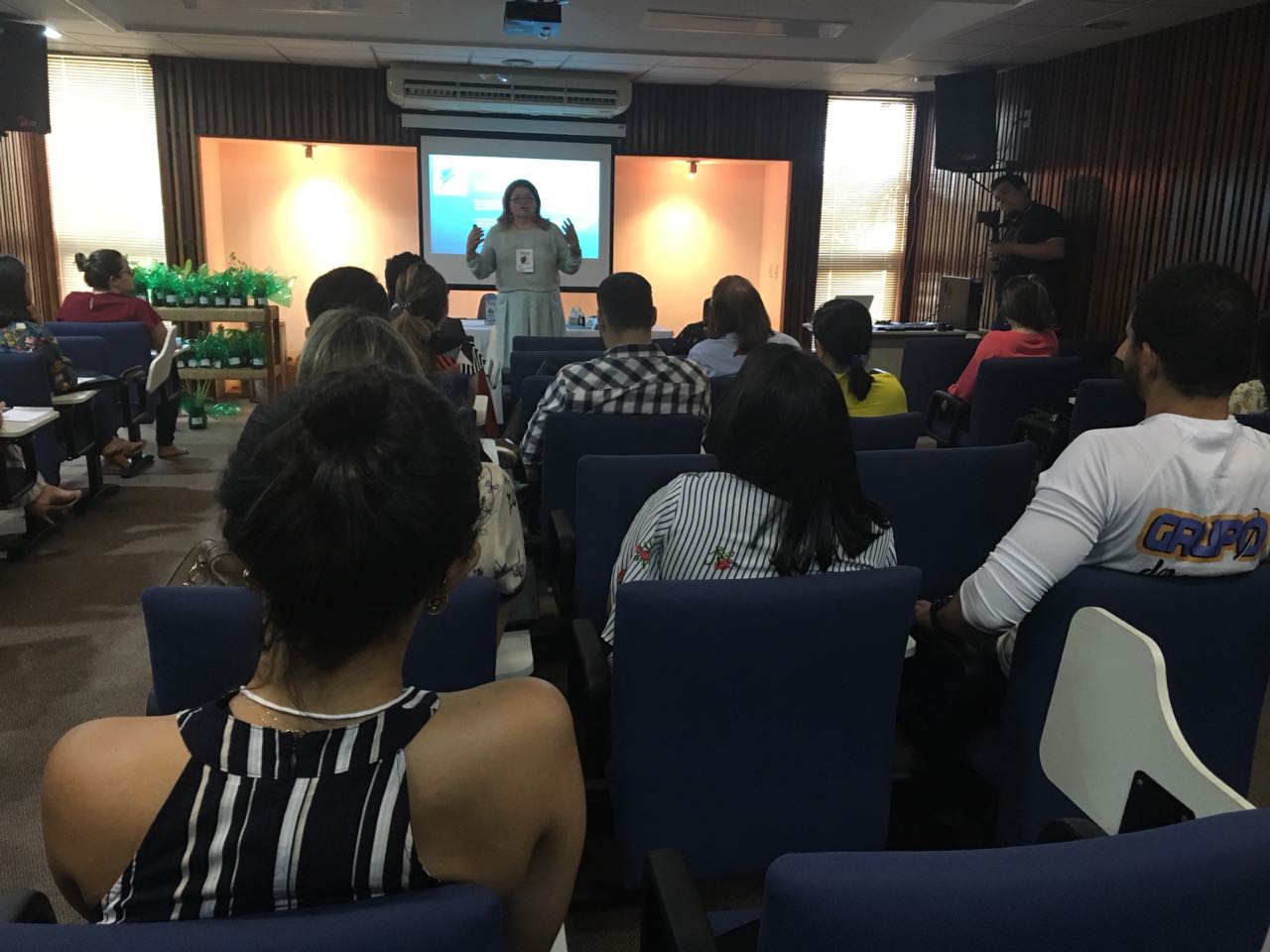
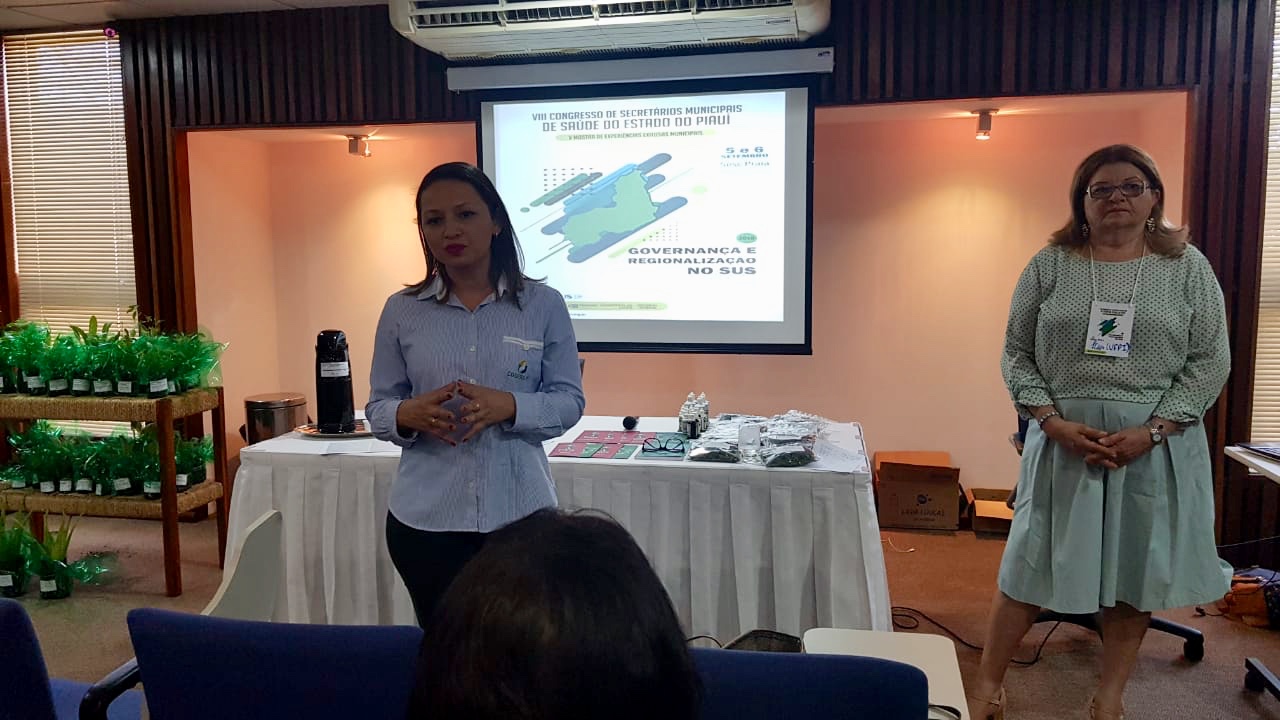
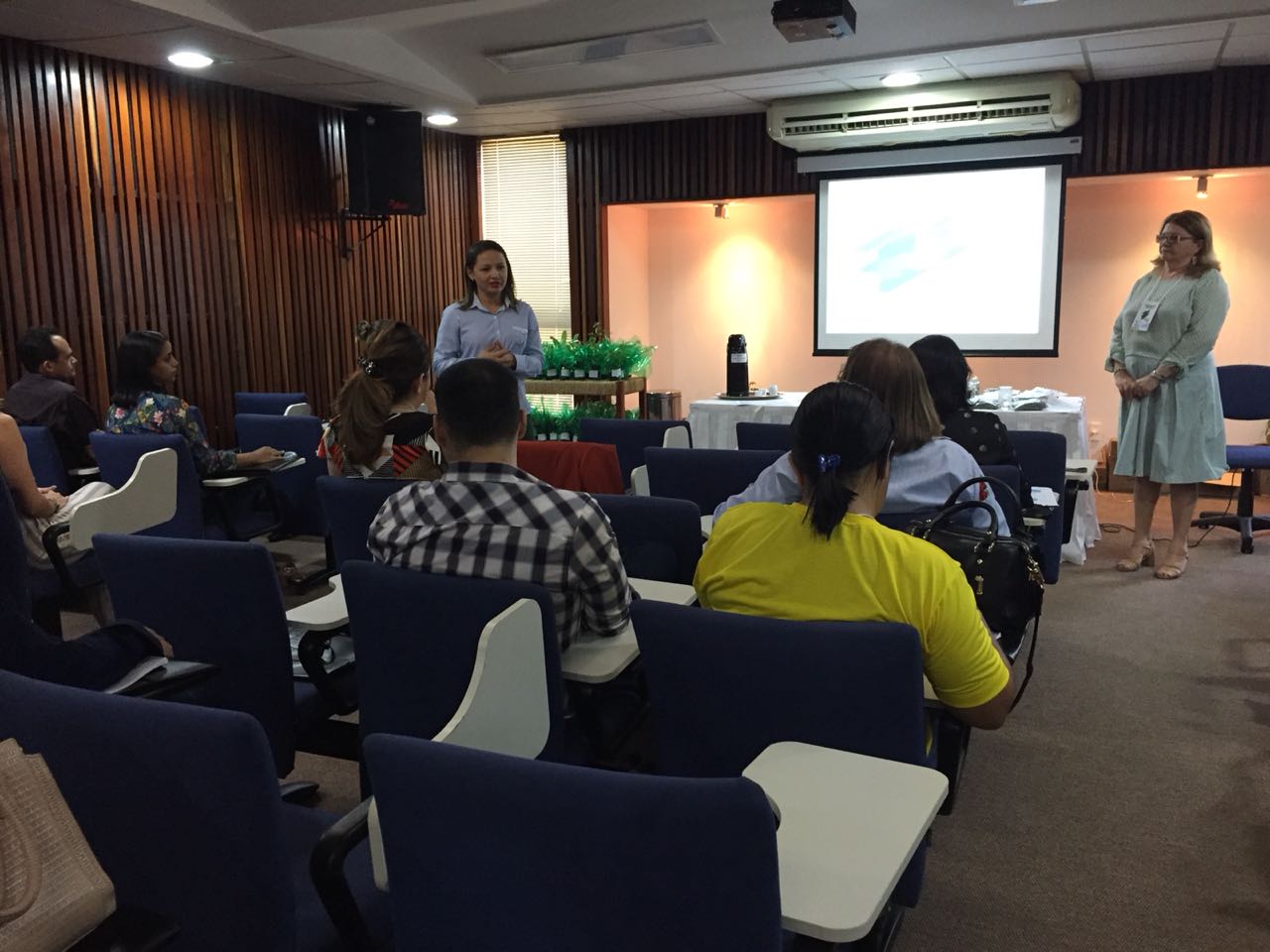
O Núcleo de Estudos, Pesquisa e Extensão Permanente para o SUS (NUEPES) e Conselho de Secretarias Municipais de Saúde (COSEMS-PI) realizaram na cidade de Luís Correia (PI), entre os dias 05 e 06 de setembro, a oficina “Práticas Integrativas e Complementares em Saúde”. O curso fez parte da programação do VIII Congresso dos Secretários de Saúde do Piauí.
Joselma Oliveira e Profa. Dra. Lis Cardoso Marinho Medeiros durante a oficina

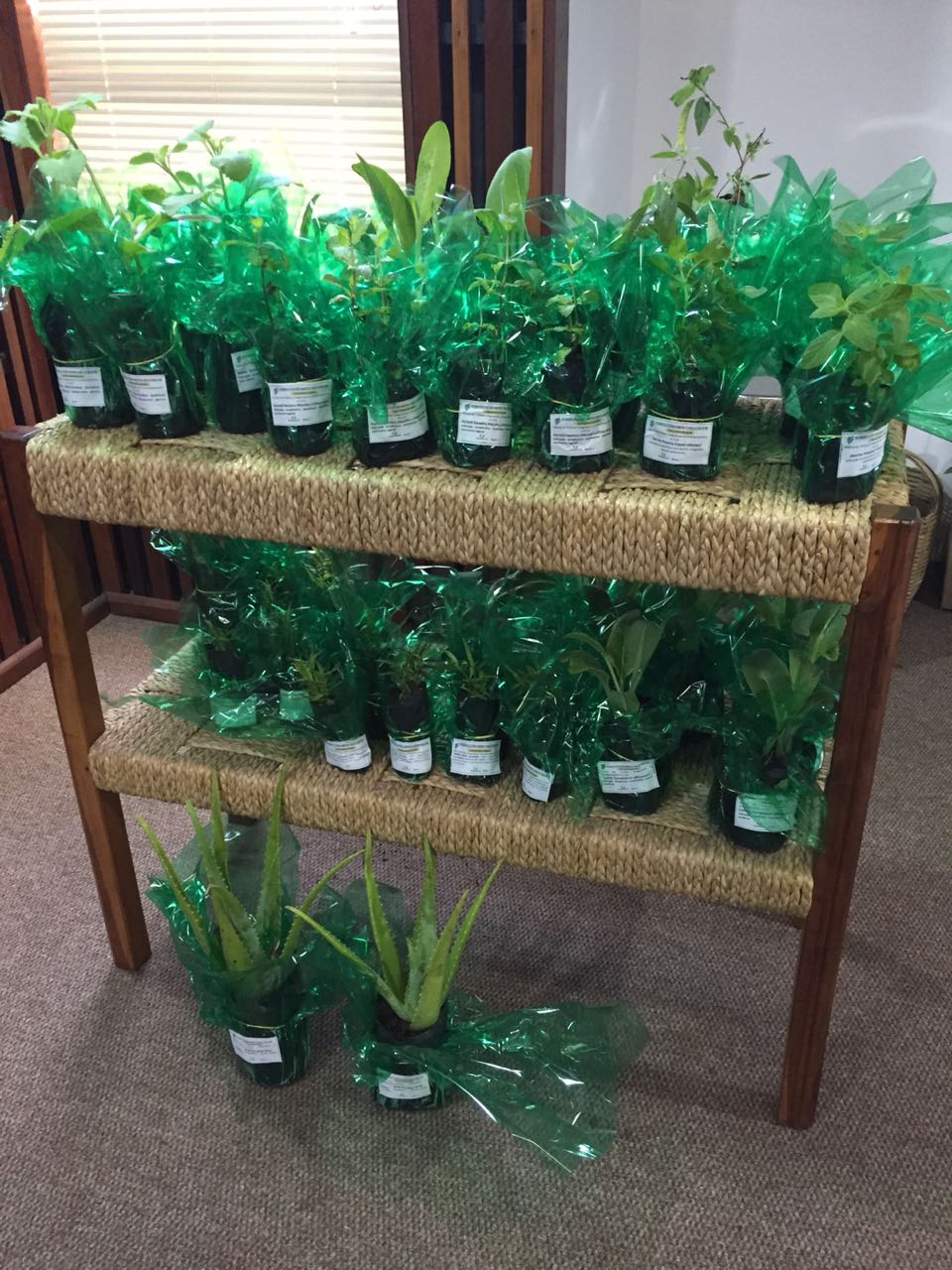
A Profa. Dra. Lis Cardoso Marinho Medeiros, coordenadora do Curso de Pós-Graduação em Saúde da Família e Comunidade proferiu a Conferência Política Nacional de Práticas Integrativas e Complementares em Saúde. Além disso, a pesquisadora explicou sobre a Prática da Fitoterapia: Conceitos e Prática - Chá (infuso), Cataplasma, Lambedor, Gengibre, Pomada, Supositório, Xarope.
Logo em seguida, Joselma Oliveira representante do Conselho de Secretarias Municipais de Saúde (COSEMS/PI), palestrou sobre como implantar as PICs na Rede Municipal de Saúde Fisioterapeuta.

As práticas integrativas e complementares são ações de cuidado transversais, podendo ser realizadas na atenção básica, na média e alta complexidade.
Joselma Oliveira, Leopoldina Cipriano, Presidente do COSEMS-PI, Katiuscia Sousa, Mauro Guimarães Junqueira - Presidente do Conselho Nacional ddo SESC Saúde e Profa. Dra. Lis Cardoso Marinho Medeiros

segunda-feira, 30 de julho de 2018

Complementary medicine for cancer can decrease survival

Date: July 19, 2018 Source: Yale University Summary: People who received complementary therapy for curable cancers were more likely to refuse at least one component of their conventional cancer treatment, and were more likely to die as a result, according to researchers.

People who received complementary therapy for curable cancers were more likely to refuse at least one component of their conventional cancer treatment, and were more likely to die as a result, according to researchers from Yale Cancer Center and the Cancer Outcomes, Public Policy and Effectiveness Research Center (COPPER) at Yale School of Medicine. The findings were reported today online in JAMA Oncology.

Use of complementary medicine -- medical therapies that fall beyond the scope of scientific medicine -- is growing in the United States and often used by patients with cancer. Although many patients believe that a combination of complementary medicine and conventional cancer treatment will provide the greatest chance at a cure, there is limited research evaluating the effectiveness of complementary medicines. It is also unknown whether patients who use complementary medicines use them to improve their response to conventional medical therapies, or use them in lieu of recommended conventional therapies.

"Past research into why patients use non-medical complementary treatments has shown the majority of cancer patients who use complementary medicines believe their use will result in improved survival," said the study's senior author, James Yu, M.D., associate professor of therapeutic radiology at Yale Cancer Center. "We became interested in this topic after we reviewed the literature, and found that there was scant evidence to support this belief."

To investigate complementary medicine use and its impact on survival and treatment adherence, the researchers studied 1,290 patients with breast, prostate, lung, or colorectal cancer in the National Cancer Database (NCDB) -- a joint project of the Commission on Cancer of the American College of Surgeons and the American Cancer Society. The NCDB represents approximately 70% of newly diagnosed cancers nationwide. Researchers compared 258 patients who used complementary medicine to 1,032 who did not.

The researchers studied de-identified patients diagnosed over a 10-year period, from 2004 to 2013. By collecting the outcomes of patients who received complementary medicine in addition to conventional cancer treatments, they found a greater risk of death. Interestingly, they noted, despite having received some conventional cancer therapy, these patients were more likely to refuse other aspects of recommended care like chemotherapy, surgery, radiation and/or hormone therapy. The researchers concluded patients who chose to use complementary medicines as cancer treatment, were more likely to refuse other conventional cancer treatments and as a result, had a higher risk of death than those who used no complementary medicine.

"The fact that complementary medicine use is associated with higher refusal of proven cancer treatments as well as increased risk of death should give providers and patients pause," said lead author Skyler Johnson, M.D., chief resident in radiation oncology at Yale School of Medicine. "Unfortunately, there is a great deal of confusion about the role of complementary therapies. Although they may be used to support patients experiencing symptoms from cancer treatment, it looks as though they are either being marketed or understood to be effective cancer treatments."

Cary Gross, M.D., co-author of the study, called for further research, "The sources of misinformation need to be better understood, so that patients aren't being sold a false bill of goods."

Story Source:

Materials provided by Yale University. Note: Content may be edited for style and length.

Journal Reference:
Skyler B. Johnson, Henry S. Park, Cary P. Gross, James B. Yu. Complementary Medicine, Refusal of Conventional Cancer Therapy, and Survival Among Patients With Curable Cancers. JAMA Oncology, 2018; DOI: 10.1001/jamaoncol.2018.2487

Cite This Page:
Yale University. "Complementary medicine for cancer can decrease survival." ScienceDaily. ScienceDaily, 19 July 2018. <www.sciencedaily.com/releases/2018/07/180719142001.htm>.

terça-feira, 8 de maio de 2018

Acupuncture possible treatment for dental anxiety

Date: May 1, 2018 Source: University of York Summary: Researchers have found evidence that acupuncture could help people who experience dental anxiety.

Researchers have found evidence that acupuncture could help people who experience dental anxiety.

Dental anxiety affects up to an estimated 30% of the adult population in countries world-wide. Patients can experience nausea, difficulty breathing and dizziness at the thought of going to the dentist, during an examination, and following treatment.

Reasons behind dental anxiety can be various, such as fear of pain, needles or anaesthetic side effects, as well as embarrassment or feeling a loss of control.

In a review of six trials with 800 patients, researchers used a points scale to measure anxiety and studies show that anxiety reduced by eight points when dental patients were given acupuncture as a treatment. This level of reduction is considered to be clinically relevant, which means that acupuncture could be a possibility for tackling dental anxiety.

Previous clinical trials have involved acupuncture for treatment on a range of conditions, including lower back pain, depression, and irritable bowel syndrome. There is, however, limited research detailing its impact on specific cases of anxiety.

More than 120 trials across England, China, Spain, Portugal and Germany were identified as having investigated the effects of acupuncture on patients with dental anxiety, and six trials were eligible for review, with two demonstrating high quality methods.

Professor of Acupuncture, Hugh MacPherson, at the University of York's Department of Health Sciences, said: "There is increasing scientific interest in the effectiveness of acupuncture either as a standalone treatment or as an accompanying treatment to more traditional medications.

"We have recently shown, for example, that acupuncture treatment can boost the effectiveness of standard medical care in chronic pain and depression.

"Chronic pain is often a symptom of a long-term condition, so to further our understanding of the various uses of acupuncture we wanted to see what it could achieve for conditions that occur suddenly, rapidly and as a reaction to particular experiences."

Studies that compared anxiety levels between patients that received acupuncture and those that did not, showed a significant difference in anxiety scores during dental treatment. A clinically relevant reduction in anxiety was found when acupuncture was compared with not receiving acupuncture.

No conclusions could be drawn, however, between patients that received acupuncture as an intervention and those that received placebo treatment, suggesting that larger scale controlled trials are needed to increase the robustness of the findings.

Professor MacPherson said: "These are interesting findings, but we need more trials that measure the impact of acupuncture on anxiety before going to the dentist, during treatment and after treatment.

"If acupuncture is to be integrated into dental practices, or for use in other cases of extreme anxiety, then there needs to be more high quality research that demonstrates that it can have a lasting impact on the patient. Early indications look positive, but there is still more work to be done."

The research is published in the European Journal of Integrative Medicine.

Story Source:

Materials provided by University of York. Note: Content may be edited for style and length.

Journal Reference:
Fraser Kirkwood Allan, Emily Peckham, Jianping Liu, Kristina Charlotte Dietz, Tingting Zhang, Aline Arakaki, Hugh MacPherson. Acupuncture for anxiety in dental patients: Systematic review and meta-analysis. European Journal of Integrative Medicine, 2018; 20: 22 DOI: 10.1016/j.eujim.2018.03.008

Cite This Page:
University of York. "Acupuncture possible treatment for dental anxiety." ScienceDaily. ScienceDaily, 1 May 2018. <www.sciencedaily.com/releases/2018/05/180501130805.htm>.

quarta-feira, 18 de abril de 2018

Practicing Tai Chi helps improve respiratory function in patients with COPD

Tai Chi offers a low-cost, easily accessible alternative to pulmonary rehabilitation, study finds 
 
Date: April 4, 2018 Source: Elsevier
 
Summary:
Currently, pulmonary rehabilitation (PR) is used where available to improve exercise capacity and quality of life, but the treatment requires access to trained staff and specialized facilities. A new study looked at Tai Chi as a lower cost, more easily accessed treatment option. Investigators found that this slow, methodical form of exercise is equivalent to PR for improving respiratory function in patients with COPD. 
 
See more at:

sexta-feira, 28 de julho de 2017

Releases recentes sobre Tai Chi na ScienceDaily

Tai chi may help prevent falls in older and at-risk adults
Date: July 24, 2017

Source: Wiley

Summary:
An analysis of published studies indicates that tai chi may help reduce the number of falls in both the older adult population and at-risk adults. The findings, which are published in the Journal of the American Geriatrics Society, offer a simple and holistic way to prevent injuries.


See more at:

Tai chi significantly reduces depression symptoms in Chinese-Americans
Date: May 25, 2017

Source: Massachusetts General Hospital

Summary:

A 12-week program of instruction and practice of the Chinese martial art tai chi led to significantly reduced symptoms of depression in Chinese Americans not receiving any other treatments. The pilot study conducted by investigators at Massachusetts General Hospital (MGH) and published in the Journal of Clinical Psychiatryenrolled members of Boston's Chinese community who had mild to moderate depression.
See more at: 

segunda-feira, 24 de julho de 2017

Pesquisador reflete sobre permanência das práticas tradicionais de cura (Jornal da USP)


Uso da “garrafada” se mantém pelo País – Foto: Rodrigo Barros Gewehr

Normalmente, quem está doente é invadido pelos sentimentos de solidão, desamparo e de impotência perante as vicissitudes da vida. Debelar o sofrimento ocasionado pelas dores físicas, psíquicas ou emocionais é uma preocupação que atravessa os tempos e também é o objetivo das práticas curativas, que envolvem elementos da natureza como ervas, chás, benzeduras e rituais repletos de simbologia, ao passo que a medicina dita tradicionalmente científica sempre se preocupou mais com os males estritamente físicos do ser humano.

Ao longo da história observa-se a figura do médico misturada com a do sacerdote, “cujas práticas de cura, envolvidas em rituais extraordinários, tornavam­-nos conhecidos como mediadores entre o homem e os deuses, ou entre o homem e a natureza, pois a capacidade de curar doenças transformava-os em detentores do poder sobre a vida e a morte“, conta o artigo de Gewehr, Baêta, Gomes e Tavares, publicado na revista Psicologia USP, que aborda a pesquisa sobre as práticas tradicionais de cura, propondo um questionamento sobre sua “permanência e eficácia na contemporaneidade, apesar dos avanços na área da ciência médica” e sobre as lacunas que a medicina ainda não preencheu.

Hoje, a prioridade da clínica médica é o diagnóstico da doença e da lesão e sua respectiva causa. “Em suma, ataca­-se matéria com matéria“. E mais: “Falta ao médico a habilidade para dar conta do mesmo homem em sua totalidade”. O médico precisa incluir os fatores psicológicos, sociais e culturais na relação saúde-­doença e dispor ao paciente elementos “que proporcionem não apenas uma forma terapêutica, mas também o ‘ser cuidado‘”. As “medicinas alternativas” que se instituíram como paralelas ou complementares à medicina dita científica são encontradas em todo o planeta, já na segunda metade dos anos 1970, chegando ao ápice na década de 1980.
As benzedeiras são figuras tradicionais em diversas regiões – Foto: Rodrigo Barros Gewehr

A partir da segunda metade do século, observam-se novos paradigmas para cura e saúde, tendo em vista três grandes grupos de prática médica na América Latina: “A medicina tradicional indígena, a medicina de origem afro­-americana e as medicinas populares derivadas de sistemas médicos altamente complexos“. A ideia da relação de harmonia entre homem e natureza é um marco determinante das práticas de cura propostas pelas medicinas tradicionais indígena e chinesa, a xamânica, a afro­-americana, a ayurvédica, e a homeopatia. Essas práticas que se tornaram alternativas ainda resistem nas figuras dos curandeiros e rezadores tradicionais, apesar dos avanços da clínica médica. Para os autores, falar em saúde é falar da cura dos diversos aspectos do ser humano.

Quando os pacientes encontram acolhimento e sentem-se confortáveis e satisfeitos com o tratamento para o problema que estão enfrentando, a dor se torna suportável. A pesquisa dos autores mostra que a medicina tradicional tem proposto uma forma terapêutica para o processo saúde­-doença que leva em conta a totalidade do sujeito doente, tratado em seus aspectos materiais e espirituais. E “é nesse ponto que a medicina científica parece perder sua voz, e talvez esteja exatamente aí o aspecto valorizado pelas práticas tradicionais de cura e que garantem sua vitalidade mesmo num mundo dominado por técnicas refinadas“.

Rodrigo Barros Gewehr é pesquisador da Universidade Federal de Alagoas, do Instituto de Psicologia.

Jéssica Baêta é pesquisadora da Universidade Federal de Alagoas, do Instituto de Psicologia.

Emanuelle Gomes Raphael Tavares é pesquisadora da Universidade Federal de Alagoas, do Instituto de Psicologia.

GEWEHR, Rodrigo Barros et al. Sobre as práticas tradicionais de cura: subjetividade e objetivação nas propostas terapêuticas contemporâneas. Psicologia USP, São Paulo, v. 28, n. 1, p. 33-43, 2017. ISSN: 1678-5177. Disponível em: <http://www.revistas.usp.br/psicousp/article/view/130683>. Acesso em: 27 abr. 2017.

Margareth Artur / Portal de Revistas da USP
Link:

terça-feira, 16 de maio de 2017

Tai chi relieves insomnia in breast cancer survivors

Date: May 10, 2017

Source: University of California, Los Angeles (UCLA), Health Sciences

Summary:
Slow-moving meditation practice works just as well as talk therapy, and better than medication in treating sleep loss in breast cancer survivors, investigators report.

If you've ever had insomnia, you know worrying about sleep makes it even harder to fall asleep. For the 30 percent of breast cancer survivors who have insomnia, sleepless nights can lead to depression, fatigue and a heightened risk of disease.

Now, new UCLA research shows that tai chi, a form of slow-moving meditation, is just as effective as cognitive behavioral therapy, which has been considered the "gold standard" treatment, with both showing enduring benefits over one year.

The results, published in the Journal of Clinical Oncology, show that tai chi promotes robust improvements in sleep health in breast cancer survivors with insomnia, with additional benefits of improving depressive symptoms and fatigue. Furthermore, both tai chi and cognitive behavioral therapy, which is a form of talk therapy, showed similar rates of clinically significant improvements in symptoms or remission of insomnia.

The American Academy of Sleep Medicine considers cognitive behavioral therapy the treatment of choice for insomnia. This approach involves identifying and changing negative thoughts and behaviors that are affecting the ability to fall asleep and stay asleep.

While cognitive behavioral therapy treats insomnia, it's too expensive for some people and there is a shortage of trained professionals in the field, said Dr. Michael Irwin, the study's lead author and a UCLA professor of psychiatry and director of the Cousins Center for Psychoneuroimmunology at the Semel Institute for Neuroscience and Human Behavior.

"Because of those limitations, we need community-based interventions like tai chi," Irwin said. Free or low-cost tai chi classes are often offered at libraries, community centers or outdoors in parks. Do-it-yourselfers can find instructional videos on YouTube and smartphone apps.

In previous research, Irwin and colleagues found that tai chi, which relaxes the body and slows breathing, reduced inflammation in breast cancer survivors with the potential to lower risk for disease including cancer recurrence.

To test tai chi's effect on insomnia, researchers recruited 90 breast cancer survivors, who had trouble sleeping three or more times per week and who also reported feeling depressed and fatigue during the daytime. The participants ranged in age from 42 to 83 and were randomly assigned to weekly cognitive behavioral therapy sessions or weekly tai chi instruction for three months. The tai chi group learned a Westernized form of the practice called tai chi chih.

The researchers evaluated the participants at intervals for the next 12 months to determine if they were having insomnia symptoms, as well as symptoms of fatigue and depression, and determined whether they showed improvement.

At 15 months, nearly half of the participants in both groups (46.7 percent in the tai chi group; 43.7 percent in the behavioral therapy group) continued to show robust, clinically significant improvement in their insomnia symptoms.

"Breast cancer survivors often don't just come to physicians with insomnia. They have insomnia, fatigue and depression," said Irwin, who is also a member of the UCLA Jonsson Comprehensive Cancer Center. "And this intervention, tai chi, impacted all those outcomes in a similar way, with benefits that were as robust as the gold standard treatment for insomnia."

Many of the tai chi participants continued to practice on their own after the study concluded, reflecting the motivation he's observed among breast cancer survivor, Irwin said. "They often are seeking health-promoting activities because they recognize that the mindfulness approach, or health-based lifestyle interventions, may actually protect them," he said.

Story Source:

Materials provided by University of California, Los Angeles (UCLA), Health Sciences. Note: Content may be edited for style and length.

Journal Reference:
Michael R. Irwin, Richard Olmstead, Carmen Carrillo, Nina Sadeghi, Perry Nicassio, Patricia A. Ganz, Julienne E. Bower. Tai Chi Chih Compared With Cognitive Behavioral Therapy for the Treatment of Insomnia in Survivors of Breast Cancer: A Randomized, Partially Blinded, Noninferiority Trial. Journal of Clinical Oncology, 2017; JCO.2016.71.028 DOI: 10.1200/JCO.2016.71.0285

Cite This Page:
University of California, Los Angeles (UCLA), Health Sciences. "Tai chi relieves insomnia in breast cancer survivors." ScienceDaily. ScienceDaily, 10 May 2017. <www.sciencedaily.com/releases/2017/05/170510175136.htm>.

sábado, 8 de abril de 2017

Yoga may have health benefits for people with chronic non-specific lower back pain

Date: January 11, 2017

Source: Wiley

Summary:
Yoga may lead to a reduction in pain and functional ability in people with chronic non-specific lower back pain over the short term, compared with no exercise, a new systematic review suggests. However, researchers advise that more studies are needed to provide information on long-term effects.

See more at:

terça-feira, 7 de fevereiro de 2017

Peroxide ingestion, promoted by alternative medicine, can be deadly

Date: February 2, 2017 
 
Source: American College of Emergency Physicians 
 
Summary: High-concentration peroxide, sometimes promoted in alternative medicine circles for cleanses or as a so-called 'natural cure,' can lead to numerous life-threatening ailments and death itself, according to a new report.

High-concentration peroxide, sometimes promoted in alternative medicine circles for cleanses or as a so-called "natural cure," can lead to numerous life-threatening ailments and death itself, according to a paper published online in Annals of Emergency Medicine ("Outcomes Following High Concentration Peroxide Ingestions").

"Ingesting high-concentration peroxide can cause embolisms affecting the cardiac, respiratory and neurological systems, leading to permanent disability or death," said lead study author Benjamin Hatten, MD, MPH, of the University of Colorado School of Medicine in Aurora, Colo. "Though touted by the alternative and complementary medicine communities as 'super water,' peroxide should not be ingested for any reason. Because there are also industrial uses, some ingestions have been accidental because of its resemblance to water."

Dr. Hatten examined 10 years of poison control records for high-concentration peroxide ingestion (concentration strength of 10 percent or greater). Almost 14 percent (13.9 percent) of reported cases had embolic events and 6.8 percent of cases either died or exhibited continued disability. Life-threatening ailments associated with high-concentration peroxide ingestion include seizure, altered mental status, respiratory distress, stroke, pulmonary embolism and heart attack. Patients treated early with hyperbaric oxygen had improved outcomes. Caustic injuries were rare and routine endoscopy was not beneficial.

"This product is meant to be used by the dropper and then diluted, yet we encountered many cases where it was stored at full strength in a clear vessel in the refrigerator," said Dr. Hatten. "This is a caustic liquid, and as with many poison prevention efforts, we recommend keeping this product in its original container and adding both child-resistant capping and a colorizing agent to reduce the possibility of accidental ingestion."

Story Source:

Materials provided by American College of Emergency Physicians. Note: Content may be edited for style and length.

Journal Reference:
Benjamin W. Hatten, L. Keith French, B. Zane Horowitz, Robert G. Hendrickson. Outcomes After High-Concentration Peroxide Ingestions. Annals of Emergency Medicine, 2017; DOI: 10.1016/j.annemergmed.2016.11.022

Cite This Page:
American College of Emergency Physicians. "Peroxide ingestion, promoted by alternative medicine, can be deadly." ScienceDaily. ScienceDaily, 2 February 2017. <www.sciencedaily.com/releases/2017/02/170202161349.htm>.

quarta-feira, 18 de janeiro de 2017

Maranhão: Governo estrutura ações de saúde voltadas para povos e comunidades de matriz africana

13/01/2017
Representantes das secretarias de Igualdade Racial, Saúde e Agricultura Familiare e das comunidades de matriz africana durante reunião na sede da SEIR. Foto: Francisco Campos/SES

Com a proposta de promover saúde apoiando a cultura dos povos e comunidades de matriz africana, o Governo do Estado está integrando os projetos ‘Minha folha, minha cura’, da Secretaria de Estado de Igualdade Racial (SEIR), e ‘Farmácia Viva’, da Secretaria de Estado da Saúde (SES), e conta ainda, com o apoio da Secretaria de Agricultura Familiar (SAF) e Agência Estadual de Pesquisa Agropecuária e de Extensão Rural do Maranhão (Agerp).

Na manhã dessa quarta-feira (11), representantes das instituições reuniram-se na sede da SEIR para estruturar as ações que serão implantadas, inicialmente, em oito terreiros da Região Metropolitana, sendo na área Itaqui-Bacanga, São José de Ribamar e Paço do Lumiar, além das rotas quilombolas de Serrano e Icatu.

O ‘Minha folha, minha cura’, está dentro do Programa ‘Maranhão Quilombola’ e busca aproveitar os conhecimentos sobre a medicina tradicional, aproveitando o que já é feito pelas famílias em suas comunidades, usando plantas medicinais. “O trabalho da SEIR tem sido ampliado e alcançado mais resultado por meio de uma ação conjunta com a SES e agora também com a força da SAF e Agerp”, considerou o secretário de Estado de Igualdade Racial, Gerson Pinheiro.

O ‘Farmácia Viva’ fortalece a Política Nacional de Práticas Integrativas e Complementares no Sistema Único de Saúde (SUS) e orienta a população, de forma técnica, a fazer o uso correto das plantas medicinais, o que auxilia no combate a doenças infecciosas, disfunções metabólicas, doenças alérgicas e traumas diversos. Além disso, todos os produtos utilizados são supervisionados e autorizados pela Vigilância Sanitária (Visa).

“A SEIR já desenvolvia ações para estimular a manutenção das tradições desses povos de matriz africana e quilombolas, no sentido de manter o que eles já realizam relacionado aos tratamentos naturais. Aliado à Farmácia Viva, poderemos oferecer um suporte ainda maior a essa população, consolidando resultados mais significativos”, reiterou o secretário Gerson Pinheiro.

Ação conjunta
Representantes das secretarias de Igualdade Racial, Saúde e Agricultura Familiar e das comunidades de matriz africana durante reunião na sede da SEIR. Foto: Francisco Campos/SES

A Política de Educação Popular em Saúde da SES também está inserida no projeto para auxiliar no processo de aprendizado das comunidades tradicionais. “O objetivo principal da educação popular é fortalecer as práticas culturais e tradicionais. Por isso, começamos a articulação para conseguir – através dos hortos que já existem nos terreiros – proporcionar qualidade de vida e, para que se tenha serviços de saúde, se tenha uma amplitude do cuidado dentro das comunidades”, pontuou Claudiana Cordeiro, chefe do departamento de Educação em Saúde da Secretaria (SES).

Segundo o gestor de povo e comunidades de matriz africana da SEIR, Sebastião Cardoso, no geral, a execução do projeto envolverá o trabalho com as plantas medicinais, oficinas sobre Meio Ambiente e manuseio das plantas para fins fitoterápicos, Educação Popular em Saúde e Iniciativas de Empreendedorismo.

“Essa parceria é importante para colocar em prática o Plano de Matriz Africana, construído em conjunto com essas comunidades. Com a execução desse projeto, existe, sobretudo, a valorização da ancestralidade e do conhecimento tradicional de medicina popular. Ao mesmo tempo em que vai existir o conhecimento científico, haverá um resgate da memória das práticas da população negra”, justificou Sebastião Cardoso.

Link:

quarta-feira, 14 de setembro de 2016

Pet therapy can combat homesickness

Date: September 8, 2016

Source: University of British Columbia Okanagan campus

Summary:
The expression "dog is man's best friend" might have more weight in the case of first-year university students suffering from homesickness, according to a new study. The study shows that animal-assisted therapy can help students combat homesickness and could be a useful tool in lowering post-secondary drop-out rates.
John Tyler Binfet, seen with his dog Frances, conducted a study on the effect of pet therapy on homesickness. Binfet runs the Building Academic Retention Through K'9s (B.A.R.K.) program at UBC's Okanagan campus.
Credit: UBC

The expression dog is man's best friend might have more weight in the case of first-year university students suffering from homesickness, according to a new UBC study.

The study shows that animal-assisted therapy can help students combat homesickness and could be a useful tool in lowering post-secondary drop-out rates.

"Transitioning from high school to university can prove to be a challenge for many first-year students," says Assistant Professor John Tyler Binfet of UBC's Okanagan campus.

"Given that students who experience homesickness are more likely than their non-homesick cohorts to drop out of university, universities have a vested interest in supporting students during their first-year transition."

In the study, 44 first-year university students who self-identified as homesick were given a survey to measure levels of homesickness, satisfaction with life and connectedness with campus. Half of the students completed eight weeks of dog therapy, while the other half were informed that their sessions would begin in eight weeks' time. Dog therapy included 45-minute weekly sessions involving small group interactions with the dogs and handlers, and engagement with other first-year students participating in the study.

Following the initial eight-week session, participants in both the treatment group and the non-treatment group completed the survey again.

Participants who completed the eight-week program experienced significant reductions in homesickness and greater increase in satisfaction with life. Participants reported that sessions "felt like they were at home chatting with friends who brought their puppies." While the non-treatment group reported an increase in their feelings of homesickness.

According to a 2009 report conducted for B.C. Stats, students who left post-secondary happy were almost twice as likely to have felt a sense of belonging compared to students who left unhappy. Students who left university unhappy were almost twice as likely to say they did not feel a sense of belonging on campus.

A total of 29 per cent of students who dropped out cited more interactions and friendships with other students as a factor that would have influenced their decision to stay longer.

While further study is needed, a university's ability to influence campus connections could be a useful tool in lowering drop-out rates in first-year students, says Binfet.

"Many first-year university students face the challenge of integrating into their new campus community," says Binfet. "Homesick students are three times more likely than those who manage their homesickness to disengage and drop out of university."

"Moving to a new city, I did not know anyone at the university and became very homesick and depressed," says UBC Okanagan student Varenka Kim. "I was mainly secluded in my dorm room and did not feel like I belonged here. Coming to animal assisted therapy sessions every Friday gave me a sense of purpose and kept me enthusiastic about life."

"Hounds and Homesickness: The Effects of an Animal-Assisted Therapeutic Intervention for First-Year University Students" was recently published in the journal Anthrozoos.

Story Source:

The above post is reprinted from materials provided byUniversity of British Columbia Okanagan campus. Note: Content may be edited for style and length.

Journal Reference:
John-Tyler Binfet, Holli-Anne Passmore. Hounds and Homesickness: The Effects of an Animal-assisted Therapeutic Intervention for First-Year University Students. Anthrozoös, 2016; 29 (3): 441 DOI:10.1080/08927936.2016.1181364

Cite This Page:
University of British Columbia Okanagan campus. "Pet therapy can combat homesickness." ScienceDaily. ScienceDaily, 8 September 2016. <www.sciencedaily.com/releases/2016/09/160908092408.htm>.

Sugar transforms a traditional Chinese medicine into a cruise missile

Anticancer compound becomes more soluble and selective after glucose is attached

Date: September 7, 2016

Source: Johns Hopkins Medicine

Summary:
Chemical biologists report that tests of triptolide in human cells and mice are vastly improved by the chemical attachment of glucose to the triptolide molecule.

More than 20 years ago, a billboard in China piqued the interest of a chemical biologist. It endorsed an extract from the plant known as the "thunder god vine" as an immunosuppressant. A brief review of published research revealed that the extract's key ingredient -- the small molecule triptolide -- had been identified 20 years before that billboard ad, and it could stop cells from multiplying.

Now, that chemical biologist and his colleagues at the Johns Hopkins University School of Medicine report that tests of triptolide in human cells and mice are vastly improved by the chemical attachment of glucose to the triptolide molecule. The chemical add-on makes the molecule more soluble and essentially turns it into a "cruise missile" that preferentially seeks out cancer cells, the research says. The change might also decrease side effects in patients and make the drug easier to administer.

A summary of the research is published in the journalAngewandte Chemie and was published online on Aug. 30.

"We have a long way to go before we can test this derivative of triptolide in humans, and we think that additional adjustments could improve it even more," says Jun O. Liu, Ph.D., professor of pharmacology and molecular sciences at the Johns Hopkins University School of Medicine and a member of the Johns Hopkins Kimmel Cancer Center, "but it already has the key characteristics we've been looking for: It is quite water soluble, and it prefers cancer cells over healthy cells."

Liu, a native of a small town north of Shanghai in China, explains that the thunder god vine has been used in traditional Chinese medicine for more than 400 years, mostly to calm an overactive immune system, which can cause diseases like rheumatoid arthritis and multiple sclerosis.

His laboratory specializes in figuring out how natural compounds with known healing properties exert their effects on human cells. Five years ago, he and his colleagues discovered that triptolide halts cell growth by interfering with the protein XPB, part of the large protein machine transcription factor IIH, which, in turn, is needed by enzyme complex RNA polymerase II to make mRNA.

Because triptolide halts cell growth, it works well to fight the multiplication of cancer cells, Liu says, both in lab-grown cells and in laboratory animals with cancer. Unfortunately, it -- and many of its derivatives -- has failed to work well in patients because it doesn't dissolve well in water or blood, and has too many side effects due to its indiscriminate killing of healthy cells as well as tumor cells.

Liu's latest research sought to "train" triptolide to target cancer cells by exploiting the knowledge that most cancer cells make extra copies of proteins, called glucose transporters. Those transporters form tunnels through a cell's membrane to import enough glucose to fuel rapid growth. By attaching glucose to triptolide, the researchers hoped to trick the cancer cells into importing the cell-killing poison, as had been done successfully with other anticancer drugs.

"We were looking for something that could be administered intravenously, remain stable in the blood and then become active as soon as it was imported into cancer cells," says Liu.

To begin, the chemists designed and synthesized five derivatives of triptolide, dubbed glutriptolides. Each derivative had glucose attached to the same spot on the triptolide molecule but had different "linkers" connecting them.

An initial experiment showed that none of the glutriptolides were good at blocking the activity of purified transcription factor IIH. Liu explains that what might seem like bad news was actually a positive result, since it suggested that the drugs would only be active once they entered cells and had their glucose attachments removed.

When the five glutriptolides were tested on human embryonic kidney cells, glutriptolide 2 slowed down cell growth better than the rest and is the only derivative they continued to study.

In later test tube and cell experiments, the researchers confirmed that glutriptolide 2 works just like triptolide -- by interfering with XPB -- though it does so only in higher concentrations. They also showed that a cancer cell line (DLD1-Mut) known to produce lots of glucose transporter 1 was more sensitive to glutriptolide 2's effects than a similar cell line (DLD1-WT) without extra copies of the transporter.

When the researchers assessed triptolide's effects on a variety of healthy cells and cancer cells in parallel with glutriptolide 2, they found that triptolide tended to equally slow the growth of healthy cells and cancer cells, while glutriptolide 2 was eight times more effective against cancer cells, on average. Liu says this result suggests that the new compound -- if tested in humans -- may be more selective against cancer cells and could therefore have fewer side effects.

Finally, due to the differences in the compounds' general toxicity, tests showed that mice could tolerate a dose of 0.2 milligram/kilogram of triptolide and 1 milligram/kilogram of glutriptolide 2. At those doses, glutriptolide 2 eradicated tumors more quickly in mice with prostate cancer and prevented tumor cells from reappearing for a full three weeks after treatment had stopped.

"We were totally surprised to see that sustained antitumor activity," says Liu. "It's something we want to study further." The group plans to test additional modifications to the biochemical links that connect glucose to triptolide to see if it can further decrease the compound's toxicity to healthy cells and increase its effectiveness against cancerous ones.

The work was accomplished through a close international collaboration among three research groups led by Liu, Martin Pomper of the Johns Hopkins University School of Medicine and Biao Yu of the Chinese Academy of Sciences. Other authors of the report include Qing-Li He, Il Minn, Sarah Head and Emmanuel Datan of the Johns Hopkins University School of Medicine, and Qiaoling Wang and Peng Xu of the Shanghai Institute of Organic Chemistry at the Chinese Academy of Sciences.

This work was supported by a Synergy Award from the Johns Hopkins University School of Medicine and the Johns Hopkins Institute for Clinical and Translational Research, which is funded in part by the National Center for Advancing Translational Sciences (UL1 TR 001079).

A nondisclosure agreement for the invention/technology described in this publication has been executed between The Johns Hopkins University and Rapafusyn Pharmaceuticals Inc. Dr. Liu is a co-founder of and a Scientific Advisory Board Member for Rapafusyn Pharmaceuticals Inc. This arrangement has been reviewed and approved by The Johns Hopkins University in accordance with its conflict of interest policies.

Story Source:

The above post is reprinted from materials provided by Johns Hopkins Medicine. Note: Content may be edited for style and length.

Journal Reference:
Qing-Li He, Il Minn, Qiaoling Wang, Peng Xu, Sarah A. Head, Emmanuel Datan, Biao Yu, Martin G. Pomper, Jun O. Liu.Targeted Delivery and Sustained Antitumor Activity of Triptolide through Glucose Conjugation. Angewandte Chemie International Edition, 2016; DOI:10.1002/anie.201606121

Cite This Page:
Johns Hopkins Medicine. "Sugar transforms a traditional Chinese medicine into a cruise missile: Anticancer compound becomes more soluble and selective after glucose is attached." ScienceDaily. ScienceDaily, 7 September 2016. <www.sciencedaily.com/releases/2016/09/160907113647.htm>.

Spiritual meditation plus medication: Best medicine for migraines?

Date: September 2, 2016

Source: Taylor & Francis

Summary:
New research examines whether or not, and to what extent, a combination of spiritual meditation and migraine medication affects analgesic medication usage.

"Effect of Different Meditation Types on Migraine Headache Medication Use," an article recently published in Behavioral Medicine, examines whether or not, and to what extent, a combination of spiritual meditation and migraine medication affects analgesic medication usage.

A wide variety of pharmacological interventions such as opiates, benzodiazepines, and prophylactic medications have been described that offer partial relief to migraine sufferers. Reviews have also described a variety of empirically supported non-pharmacological approaches to preventing or stopping headaches. Recent randomized controlled trials have demonstrated the efficacy of meditation-based interventions as a treatment for headache pain. Though spiritual meditation has been found to reduce the frequency of migraines and physiological reactivity to stress, little is known about how introducing a spirituality component into a meditation intervention impacts use of analgesic medicine. The results from the study support previous research suggesting that spiritual meditation may be more effective for pain tolerance and migraine coping than non-spiritual meditation alternatives.

In this study, 92 meditation-naïve participants with frequent migraines (>2 per month) were randomly assigned to one of four groups that used a meditation phrase or technique: (1) Spiritual Meditation (exp. "God is love"), (2) Internally Focused Secular Meditation (exp. "I am content"), (3) Externally Focused Secular Meditation (exp. "Sand is soft,"), or (4) Progressive Muscle Relaxation (technique). Then, the participants practiced their assigned meditation technique for 20 minutes per day over 30 days while completing daily headache diaries. Headache frequency, headache severity, and pain medication use were recorded and assessed. Migraine frequency decreased significantly in the Spiritual Meditation group compared to other groups. Headache severity ratings did not differ across groups. All four groups showed decreased analgesic medication use over time -- however, medication usage for migraine headaches had a sharper decline in the Spiritual Meditation group compared to other groups.

Story Source:

The above post is reprinted from materials provided by Taylor & Francis. Note: Content may be edited for style and length.

Journal Reference:
Amy B. Wachholtz, Christopher D. Malone, Kenneth I. Pargament. Effect of Different Meditation Types on Migraine Headache Medication Use. Behavioral Medicine, 2015; 1 DOI: 10.1080/08964289.2015.1024601

Cite This Page:
Taylor & Francis. "Spiritual meditation plus medication: Best medicine for migraines?." ScienceDaily. ScienceDaily, 2 September 2016. <www.sciencedaily.com/releases/2016/09/160902125336.htm>.

quinta-feira, 25 de agosto de 2016

Bahia: Sesab institui comissão para construir a Política Estadual de Práticas Integrativas

Ter, 23 de Agosto de 2016
Reiki, medicina tradicional chinesa/acupuntura, homeopatia, fitoterapia, plantas medicinais, dentre outras práticas complementares, serão implantadas no SUS. Para isso, a Secretaria da Saúde do Estado da Bahia (Sesab), seguindo as diretrizes e portarias do Ministério da Saúde (MS), instituiu, nesta terça-feira (23), a Comissão Interinstitucional para Implementação da Política Estadual de Práticas Integrativas e Complementares do SUS no Estado da Bahia.

A reunião, que ocorreu no gabinete da Sesab, contou com a participação de uma equipe multidisciplinar, composta, dentre outras profissionais, médicas, enfermeiras, farmacêuticas, além de representantes da Superintendência de Atenção Integral à Saúde (Sais). Liliane Mascarenhas, diretora da Gestão do Cuidado (DGC), explicou que o objetivo da comissão é trabalhar no sentido de construir a política que irá ampliar o acesso às práticas integrativas do SUS.

Ela acrescentou que a comissão será constituída conforme estabelecido na portaria 521/2016 (Sesab), que relaciona órgãos e instituições que terão representantes, a saber, DGC, Diretoria da Atenção Básica (DAB), Diretoria da Assistência Farmacêutica e Insumos Estratégicos (Dasf), Diretoria de Gestão do Trabalho e da Educação na Saúde (Dgets), Diretoria de Vigilância e Atenção à Saúde do Trabalhador (Divast), Escola Estadual de Saúde Pública (EESP), Escola de Formação Técnica em Saúde (EFTS), Instituições de Ensino Superior Público e Privado envolvidas com a temática, Conselho Estadual de Saúde (CES) e Conselho de Secretários Municipais de Saúde (Cosems)

Ascom Sesab
Comissão Práticas Integrativas

Link:

sexta-feira, 12 de agosto de 2016

Physiological Effects of Nature Therapy: A Review of the Research in Japan

Humans have evolved into what they are today after the passage of 6–7 million years. If we define the beginning of urbanization as the rise of the industrial revolution, less than 0.01% of our species’ history has been spent in modern surroundings. Humans have spent over 99.99% of their time living in the natural environment. The gap between the natural setting, for which our physiological functions are adapted, and the highly urbanized and artificial setting that we inhabit is a contributing cause of the “stress state” in modern people. In recent years, scientific evidence supporting the physiological effects of relaxation caused by natural stimuli has accumulated. This review aimed to objectively demonstrate the physiological effects of nature therapy. We have reviewed research in Japan related to the following: (1) the physiological effects of nature therapy, including those of forests, urban green space, plants, and wooden material and (2) the analyses of individual differences that arise therein. The search was conducted in the PubMed database using various keywords. We applied our inclusion/exclusion criteria and reviewed 52 articles. Scientific data assessing physiological indicators, such as brain activity, autonomic nervous activity, endocrine activity, and immune activity, are accumulating from field and laboratory experiments. We believe that nature therapy will play an increasingly important role in preventive medicine in the future.
Song, C.; Ikei, H.; Miyazaki, Y. Physiological Effects of Nature Therapy: A Review of the Research in Japan. Int. J. Environ. Res. Public Health 2016, 13, 781.

Link:

quarta-feira, 3 de agosto de 2016

A revolução da saúde por meio do auto-conhecimento corporal e das plantas medicinais

Em 29 de julho de 2016
Oficina de bioenergia apresenta concepção integral de saúde durante a Jornada de Agroecologia

Por Michele Torinelli

Entre as mais de 40 oficinas oferecidas na 15ª Jornada de Agroecologia, uma esteve relacionada diretamente à saúde humana: a de bioenergia. Trata-se de uma concepção de saúde que, diferentemente da medicina alopática predominante nas clínicas e hospitais, não está voltada para o tratamento de sintomas, mas para o reconhecimento dos fluxos energéticos, o auto-conhecimento corporal e os tratamentos naturais.
A oficina aconteceu ontem (28) no Assentamento Contestado, no município da Lapa, comunidade do MST (Movimento dos Trabalhadores Rurais Sem Terra) referência em agroecologia, e contou com a participação de mais de 30 pessoas, entre assentados do movimento, outros agricultores e estudantes de vários estados e de outros países, como Argentina, Itália, Paraguai, País Basco, Colômbia e Peru. Entre os ministrantes estavam moradores do assentamento e amigos de longa data, como José Tobias de Moura, mais conhecido como Tobias, que já ajudou o movimento a ocupar nove áreas em General Carneiro, cidade paranaense onde já foi candidato a prefeito e a vereador, além de ser um dos fundadores do Partido dos Trabalhadores no município.

Há 22 anos Tobias atua com bioenergética, quando passou a tratar seu pai, que estava desacreditado pelos médicos. Com o tratamento bioenergético, ele viveu mais dezoito anos. Ele conta emocionado que seu pai, quando já se despedia, o incentivou a sempre seguir esse caminho, de cura do próximo. Ele não liga quando o chamam pejorativamente de macumbeiro, pois acredita nas medicinas naturais e na disseminação do seu conhecimento.

A bioenergia surgiu no Brasil no início da década de 1990, quando o missionário franciscano Renato Barros, que hoje mora em Maringá, retornou da Nicarágua. O padre aprendeu com os guerrilheiros sandinistas que, por estarem refugiados e não terem acesso a médicos e hospitais, tiveram que desenvolver outros meios de se tratarem, e acabaram adotando a bioenergia. Hoje a prática é bastante difundida: só Tobias já deu cinco cursos apenas no assentamento contestado.

“O objetivo dessa oficina é passar essa sabedoria pra vocês, que não têm interesse em dinheiro. Porque na hora em que isso cair na mão dos médicos, nós não poderemos mais praticar”, diz Tobias. Por muito tempo esses conhecimentos tradicionais, do corpo e das plantas, foram estigmatizados e deixados de lado. Agora, com a difusão de uma conscientização em relação aos males causados pelos remédios industrializados, os agrotóxicos e o modo de vida urbano, esses saberes ressurgem.
Mas, como tudo no modo de vida capitalista, essas práticas têm sido apropriadas e transformadas em produtos elitizados acessíveis somente a poucos que podem pagar. Isso acontece de maneira sutil, com a difusão de um estilo de vida ecocapitalista – o tal do capitalismo verde, “sustentável”, que não questiona a estrutura de exploração e de desigualdade de nossa sociedade e estimula o consumismo –, mas também de formas mais evidentes, como a apropriação de plantas tradicionais por grandes empresas através das patentes. Por isso a preocupação de Tobias de que esse conhecimento seja repassado com o fim do auto-conhecimento corporal e da cura , e não do lucro.

Essa percepção, para além da saúde, dialoga de forma mais ampla com o projeto de sociedade do movimento. Maria Natividade de Lima, agricultora e terapeuta que facilitou a oficina de bioenergética junto a Tobias, explica que o objetivo da reforma agrária é que todos possam cuidar da terra, viver num espaço pequeno, suficiente, sem ter a ambição de ficar acumulando, como fazem os latifundiários. “Esse espaço é para viver bem”, diz ela referindo-se ao assentamento, “não para explorar. Não é para ficar rico. Se alguém quiser isso, tem que ir embora daqui.”

Saúde, modo de vida, alimentação e plantas medicinais

A primeira coisa que Tobias fez ao iniciar a oficina foi desligar o celular. “Isso é a pior coisa que já inventaram”, disse, referindo-se à interferência do aparelho nos fluxos energéticos. Ele alerta que o aparelho é bastante prejudicial à saúde, “isso e os transgênicos, as duas pragas que inventaram para acabar com a gente. E tão conseguindo”, adverte. Ele entende que hoje em dia a gente depende do celular, por isso ele mesmo possui um, mas alerta que se deve desligar o aparelho ao se trabalhar com bioenergia, assim como afastar-se de computadores e até mesmo de eletrodomésticos. “Interfere na checagem”, explica.
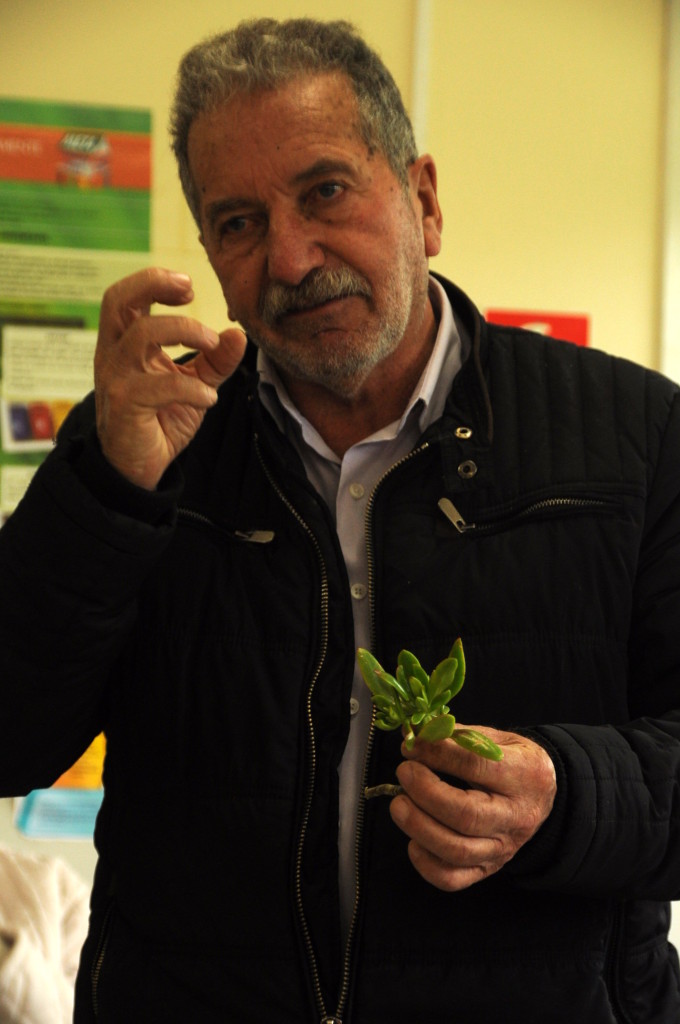
Isso porque a avaliação bioenergética se dá de maneira em que o próprio corpo do consultante indica quais são suas debilidades e do que precisa, de forma bastante simples. O consultante faz um anel com o polegar e o indicador, e tenta mantê-lo fechado. O atendente tenta abrir também com um anel que faz com seus dedos: se abrir, o local do corpo que está sendo avaliado está debilitado a resposta à pergunta feita ao corpo é “não”; ou o local do corpo que está sendo avaliado está debilitado.

A partir da avaliação bioenergética, o tratamento baseado em dieta alimentar e fitoterápicos é receitado. Mas a proposta é o auto-conhecimento e a adesão a um modo de vida saudável, cuja base é a alimentação. Para isso devemos consumir vegetais agroecológicos e renunciar ao consumo de produtos de base animal – o que, além das carnes, inclui ovos e laticínios. Tobias defende que a propaganda de que precisamos consumir esses alimentos para obter proteínas é um mito.

Ao longo da oficina, foram dadas várias dicas de como tratar doenças com fitoterápicos, que são produtos desenvolvidos a partir de plantas medicinais. Na parte da tarde, o facilitador da oficina Edson Chagas, que pratica agrofloresta no assentamento Contestado, guiou os participantes pela mata para recolher terra para ser usada em emplastros. “Tem que ser uma terra pura, sem agrotóxicos ou adubo”, explica. Por isso é preciso cavar fundo para encontrá-la – e para saber a profundidade certa, aplicou-se o método de checagem da bioenergética para que a terra mesma indicasse. Uma pessoa segurou um punhado da terra e Edson fez a checagem, e assim chegou-se à profundida ideal para que a terra adequada fosse coletada.

Na sequência, Maria Natividade e Tobias prepararam dois produtos fitoterápicos: a pomada de cipreste e o específico, que é uma tintura de guaco e cipó mil homens que serve como antídoto para picada de cobra, aranha e escorpião, além de poder ser usada em picadas e para mal-estar de modo geral. [Confira as receitas ao final].

Saúde e movimento
Troca de saberes durante a oficina de bioenergética no assentamento Contestado.

Tobias, Maria Natividade e Edson, assim como o Setor de Saúde do MST como um todo, não atuam apenas com bioenergia, mas outras técnicas complementares, como fitoterapia, massoterapia, auriculoterapia, reiki e do in. Essas técnicas são aplicadas ao longo da Jornada de Agroecologia na barraca da saúde, que faz atendimentos durante o evento e disponibiliza produtos fitoterápicos.

Maria Salete Bach, integrante do coletivo de saúde do movimento, explica que essa concepção mais ampla de saúde tem a ver com a convivência entre as pessoas, com a natureza, como o meio em que a gente vive; como a gente produz, como a gente come, com a gente se relaciona com os outros seres. Por isso a visão de saúde do movimento não se restringe ao atendimento médico, mas à promoção, à prevenção e à educação. “Saúde é até como a gente faz a luta, porque a saúde de um povo se mede por sua capacidade de luta”, entende Maria Salete, pois uma pessoa saudável tenta mudar aquilo que causa dor.

A militante acredita que para atuar com saúde não precisa ter diploma, e cita o médico revolucionário Che Guevara: “para a gente saber o que o povo sente não precisa ser médico, basta ter coração”, pois carinho, atenção e noção de coletividade
também geram saúde, complementa Maria Salete. Muitas pessoas do movimento que se dedicam à cura não possuem diploma de médico, mas possuem experiência, formação e, talvez o mais importante, sensibilidade.

Mas o MST também investe no conhecimento acadêmico: em parceria com a Universidade Federal da Fronteira Sul, implementou um curso de medicina para integrantes do movimento. Entre eles está Aílton Lins, do acampamento Dom Tomás Balduíno, que conta que o curso aborda não só o conhecimento médico convencional, mas também as medicinas naturais.

Um outro projeto de sociedade precisa de um outro projeto de saúde. “Isso aqui é a verdadeira revolução do que é a medicina, do que é a saúde e a vida como um todo”, disse Genecilda, integrante do movimento que participou da oficina de bioenergética. É uma revolução que se faz na prática, valorizando os saberes ancestrais, o conhecimento das curandeiras e benzedeiras; implementando a agroecologia, em cuidado com a terra e com o outro.

Receitas fitoterápicas
Pomada de cipreste

1 prato bem cheio de folhas de cipreste picadas

1 litro de óleo (girassol, oliva ou qualquer um que não seja transgênico)

30 g de cera de abelha

Refogar as folhas no óleo até que parem de borbulhar (sinal de que toda a água evaporou), preferentemente em panela de ferro (evitar sobretudo as de alumínio). Coar, ainda quente, com pano e acrescentar a cera de abelha. Colocar nos recipientes desejados e deixar esfriar.

Recomenda-se para verruga, herpes, cravo, espinha, dor na bexiga, manchas e demais irritações de pele.

Específico

Guaco

Cipó mil homens

Álcool (o mais recomendado é pinga pura de alambique)

Descascar o cipó, e picá-lo. Picar o Guaco. (Sempre que possível, no manejo de plantas medicinais, utilizar as mãos – o que é o caso ao descascar o cipó e picar o guaco. Já para picar o cipó, é preciso usar faca, porque é bastante duro).

Selecione o vidro de acordo com a quantidade que deseja fazer. Metade dele deve ser preenchido com as plantas (bem compactadas). Dessa metade, um quinto deve ser de cipó e os quatro quintos restantes de guaco picado. Na sequencia, preencher o vidro com álcool.

Cobrir o vidro com jornal e deixar guardado de nove a quinze dias. Após esse período, deve ser coado e está pronto.

É tomado em caso de picada de cobra, aranha e escorpião (tomar cerca de 40 gotas diluídas em água a cada 2h).

Para machucados e picadas em geral, uso tópico.

Contra-indicação: o guaco é abortivo, portanto não deve ser ingerido por gestantes.

Tobias recomenda colher folhas na lua cheia e raízes na minguante. Na nova e na crescente, não se recomenda colher – isso no que se refere às ervas medicinais.

Link: