Mostrando postagens com marcador compostos bioativos. Mostrar todas as postagens

quinta-feira, 21 de novembro de 2019

Omega-3 fatty acids fight inflammation via cannabinoids

Date: July 18, 2017 Source: University of Illinois at Urbana-Champaign Summary: Chemical compounds called cannabinoids are found in marijuana and also are produced naturally in the body from omega-3 fatty acids. A well-known cannabinoid in marijuana, tetrahydrocannabinol, is responsible for some of its euphoric effects, but it also has anti-inflammatory benefits. A new study in animal tissue reveals the cascade of chemical reactions that convert omega-3 fatty acids into cannabinoids that have anti-inflammatory benefits - but without the psychotropic high.

Chemical compounds called cannabinoids are found in marijuana and also are produced naturally in the body from omega-3 fatty acids. A well-known cannabinoid in marijuana, tetrahydrocannabinol, is responsible for some of its euphoric effects, but it also has anti-inflammatory benefits. A new study in animal tissue reveals the cascade of chemical reactions that convert omega-3 fatty acids into cannabinoids that have anti-inflammatory benefits -- but without the psychotropic high.

The findings are published in the Proceedings of the National Academy of Sciences.

Foods such as meat, eggs, fish and nuts contain omega-3 and omega-6 fatty acids, which the body converts into endocannabinoids -- cannabinoids that the body produces naturally, said Aditi Das, a University of Illinois professor of comparative biosciences and biochemistry, who led the study. Cannabinoids in marijuana and endocannabinoids produced in the body can support the body's immune system and therefore are attractive targets for the development of anti-inflammatory therapeutics, she said.

In 1964, the Israeli chemist Raphael Mechoulam was the first to discover and isolate THC from marijuana. To test whether he had found the compound that produces euphoria, he dosed cake slices with 10 milligrams of pure THC and gave them to willing friends at a party. Their reactions, from nonstop laughter, to lethargy, to talkativeness, confirmed that THC was a psychotropic cannabinoid.

It wasn't until 1992 that researchers discovered endocannabinoids produced naturally in the body. Since then, several other endocannabinoids have been identified, but not all have known functions.

Cannabinoids bind to two types of cannabinoid receptors in the body -- one that is found predominantly in the nervous system and one in the immune system, Das said.

"Some cannabinoids, such as THC in marijuana or endocannabinoids can bind to these receptors and elicit anti-inflammatory and anti-pain action," she said.

"Our team discovered an enzymatic pathway that converts omega-3-derived endocannabinoids into more potent anti-inflammatory molecules that predominantly bind to the receptors found in the immune system," Das said. "This finding demonstrates how omega-3 fatty acids can produce some of the same medicinal qualities as marijuana, but without a psychotropic effect."

Story Source:

Materials provided by University of Illinois at Urbana-Champaign. Original written by Steph Adams. Note: Content may be edited for style and length.

Journal Reference:
Daniel R. McDougle, Josephine E. Watson, Amr A. Abdeen, Reheman Adili, Megan P. Caputo, John E. Krapf, Rodney W. Johnson, Kristopher A. Kilian, Michael Holinstat, Aditi Das. Anti-inflammatory ω-3 endocannabinoid epoxides. Proceedings of the National Academy of Sciences, 2017; 201610325 DOI: 10.1073/pnas.1610325114

Cite This Page:
University of Illinois at Urbana-Champaign. "Omega-3 fatty acids fight inflammation via cannabinoids." ScienceDaily. ScienceDaily, 18 July 2017. <www.sciencedaily.com/releases/2017/07/170718142909.htm>.

sábado, 16 de novembro de 2019

Caffeine shortens recovery time from general anesthesia

Date: August 1, 2017 Source: American Physiological Society (APS) Summary: Caffeine helps quickly boost wakefulness following general anesthesia, a new study finds. The stimulant — used daily by more than 90 percent of adults in the U.S. — appears to alter physiological function in two different ways to shorten recovery time.


Caffeine helps quickly boost wakefulness following general anesthesia, a new study finds. The stimulant -- used daily by more than 90 percent of adults in the U.S. -- appears to alter physiological function in two different ways to shorten recovery time. The paper, published ahead of print in the Journal of Neurophysiology, was chosen as an APSselect article for August.

Caffeine works in two different ways to wake us up. It raises the body's level of cyclic adenosine monophosphate (cAMP), a compound that regulates cell function. Previous studies have shown that an increase in cAMP levels speeds up recovery from general anesthesia. Caffeine also acts as an adenosine receptor antagonist. Activity in the nervous system slows down when adenosine binds to its receptors, causing sleepiness. An adenosine receptor antagonist is a substance that prevents adenosine -- a compound that controls nerve activity -- from binding to its receptors (molecules on the surface of the cells).

Researchers exposed adult rats to a 3 percent concentration of a general anesthetic for one hour to simulate the effects of undergoing a brief surgical procedure. During the last 10 minutes of exposure, the animals received an injection of either caffeine or a saline solution (the control group). The research team administered the tests on two more occasions with increasingly higher doses of caffeine. The caffeine group awoke from anesthesia more quickly than the control group each time. The reduction in waking time became much more significant -- up to 55 percent more quickly -- with the highest dosage.

To determine exactly how caffeine reduces waking time, the researchers administered additional trials, exposing the rats to another adenosine receptor antagonist (preladenant) or a plant-based supplement in the mint family (forskolin) that, similar to caffeine, elevates cAMP. Both of these agents caused reductions in waking time, but they were not as significant as the caffeine trials, in which both adenosine receptors were blocked and cAMP levels increased. These results suggest that "some of the accelerated recovery from anesthesia produced by caffeine is most likely mediated by block of adenosine receptors, but that elevation of [cAMP] accounts for the majority of the effect," the research team wrote.

Story Source:

Materials provided by American Physiological Society (APS). Note: Content may be edited for style and length.

Journal Reference:
Robert Fong, Suhail Khokhar, Atif Newaz Chowdhury, Kelvin G Xie, Josiah Hiu-yuen Wong, Aaron P. Fox, Zheng Xie. Caffeine Accelerates Recovery from General Anesthesia via Multiple Pathways. Journal of Neurophysiology, 2017; jn.00393.2017 DOI: 10.1152/jn.00393.2017

Cite This Page:
American Physiological Society (APS). "Caffeine shortens recovery time from general anesthesia." ScienceDaily. ScienceDaily, 1 August 2017. <www.sciencedaily.com/releases/2017/08/170801111017.htm>.

terça-feira, 12 de novembro de 2019

Eelgrass acid and resveratrol produced by cell factories for the first time

Date: November 4, 2019 Source: Technical University of Denmark Summary: Scientists are now able to produce a wide range of sulfated aromatic compounds such as antifouling eelgrass acid, resveratrol and vanillic acid derivatives using microbial production hosts. This pioneering work could lead to new environmentally friendly anti-fouling paint for ships, as well as improved and sustainable nutraceuticals and medicine.


Leveraging on nature's ways of adding sulfate groups by enzymes, scientists at The Novo Nordisk Foundation Center for Biosustainability at Technical University of Denmark (DTU) have for the first time demonstrated how to produce a wide range of sulfated phenolic compounds in microbial hosts -- cell factories. This pioneering research, published in Nature Communications, enables large scale production of sulfated phenolic compounds by fermentation.

"The perspectives are far-reaching since sulfation can be used for a wide range of products such as antifouling agents and pharmaceuticals. This work could mean cheaper and better drugs in the future as well as bio-chemicals and polymers with new properties," says corresponding author Professor Alex Toftgaard Nielsen from The Novo Nordisk Foundation Center for Biosustainability. He is also CSO at Cysbio -- a company that works to commercialize products from, amongst other things, sulfated molecules.

Phenolic compounds are aromatic molecules with uses in areas such as medicine, nutraceuticals and other antioxidants, the cosmetic industry as well as in the polymer industry. Adding sulfate residues to phenolic compounds can increase the acidity and solubility of the molecule as well as decreasing the toxicity.

As a proof of concept for the sulfation process in cell factories, the researchers wanted to produce zosteric acid. This acid is found in the marina plant eelgrass and is a powerful antifouling agent. Used in ship paint, it could potentially inhibit the growth of algae on the hull. Furthermore, it has applications in disinfectants, where it can prevent the attachment of bacteria on surfaces (biofilms) e.g. in hospitals.

Today, zosteric acid can be extracted from plant material, but titers are low, and the cost is high. Zosteric acid may also be synthesized chemically, but this requires harsh chemical conditions and generates a lot of chemical waste. Thus, a biological process is preferable.

The researchers had to re-engineer and rewire several genes within the cell factory to optimize the sulfation process. This was both done by improving sulfate uptake and by optimizing the availability of the sulfate donor enzyme in the cell.

The result was production of up to five grams per liter of zosteric acid in a so-called fed-batch fermentation. This yield is impressive, since nature normally only produces zosteric acid in very low quantities, and because chemical synthesis is extremely difficult and expensive.

Biologically, zosteric acid is created by an enzyme (sulfotransferase) that transfers a sulfate side-group to a specific building block molecule. Therefore, the researchers isolated sulfotransferases from humans, fruit flies, eelgrass, rats, chickens, rabbits, dogs, worms, zebrafish and pigs to find the most efficient one. The winner enzyme was actually isolated from rat liver and worked superbly in the microbial production host.

Using this method, the researchers also found sulfotransferases that could sulfate the powerful antioxidant resveratrol that is found in red wine. Today, due to its very low content in grapes, tedious purification processes, and a need for use of harsh chemicals in doing so, resveratrol extraction from plants is difficult, time consuming and unsustainable.

In grapes, resveratrol is found in an inactive un-sulfated form. Entering the human body, resveratrol is sulfated by the liver to become active, which gives the molecule its antioxidant properties. Thus, being able to produce large amounts of sulfated resveratrol in cell factories opens to production of a more active and bioavailable antioxidant, a process that may be used to modify the properties of pharmaceuticals as well.

Furthermore, the researchers showed that some of the sulfotransferases were also able to sulfate vanillic acid. This, too, is a product that can be made in a microbial cell factory and has market potential.

"From a scientific perspective, being able to produce sulfated phenolic compounds in microbial cell factories is fantastic, but it might also have societal impacts as these molecules have applications both as bio-chemicals, as nutraceuticals and even as drugs," says first author of the study, Christian Bille Jendresen, R&D Director of Sulfation Technologies at the start-up company Cysbio, which has spun out of The Novo Nordisk Foundation Center for Biosustainability, DTU.

"We can create a wide range of interesting chemicals that will find different ways into market," he says.

This pioneering work has thus enabled the production of a novel class of sulfated biochemicals that will likely find many biotechnological applications.

Story Source:

Materials provided by Technical University of Denmark. Note: Content may be edited for style and length.

Journal Reference:
Christian Bille Jendresen, Alex Toftgaard Nielsen. Production of zosteric acid and other sulfated phenolic biochemicals in microbial cell factories. Nature Communications, 2019; 10 (1) DOI: 10.1038/s41467-019-12022-x

Cite This Page:
Technical University of Denmark. "Eelgrass acid and resveratrol produced by cell factories for the first time." ScienceDaily. ScienceDaily, 4 November 2019. <www.sciencedaily.com/releases/2019/11/191104112840.htm>.

sexta-feira, 8 de novembro de 2019

The secrets of secretion: Isolating eucalyptus genes for oils, biofuel

Date: May 8, 2019 Source: Michigan Technological University Summary: Close genetic analysis of 480 blue mallee eucalyptus plants provides clues to modify cultivars for greater yield, whether for essential oils or jet fuel.


What is the genetic basis for eucalyptus trees to produce that fragrant oil many of us associate with trips to the spa? Carsten Külheim, associate professor in Michigan Technological University's School of Forest Resources and Environmental Science, has spent the past 10 years of his career studying eucalyptus. They are diverse, fast-growing species that includes scrubby bushes and 300-foot-tall flowering trees -- mostly indigenous to Australia, but also New Guinea and Indonesia.

In particular, Külheim studies terpenes, organic compounds found in the plant's leaves. Terpenes enable certain species (mostly plants, but also some insects) that produce them to give off strong odors that deter pests or attract pollinators. For example, hops, a primary ingredient in beer, contain terpenes, which gives the hops their piney smell. Certain varieties of eucalyptus and tea tree produce great quantities of just the right terpenes, which can be used for essential oils or biofuel distillation.

It is said that Australia's Blue Mountains take their name from the smog-like mist eucalyptus trees emit, particularly on hot days; this mist is composed of terpenes vaporizing in the heat. Külheim and his fellow researchers want to know what, at the genetic level, causes production of about 50 different terpenes so they can crank it up to use the oil as a renewable fuel.

In the article "High marker density GWAS provides novel insights into the genomic architecture of terpene oil yield in Eucalyptus" in the journal New Phytologist, Külheim and his coauthors investigate the genetic basis of variation in oil yield in blue mallee, a eucalyptus native to Australia. This will allow for a faster and more efficient domestication, making the production of renewable fuels from eucalypt plantations more feasible.

One reason for the interest in eucalyptus oil is because bioethanol (typically made from corn) and biodiesel (typically made with vegetable and soybean oils) do not have sufficient energy density to be useful for the aviation industry. Eucalyptus oil, however, can be converted into high-energy biofuel that can be used for jet fuel and even tactical missile fuel (JP-10).

However, many eucalypts currently have not been domesticated and vary greatly in their oil yield. Using genome-wide association studies (GWAS), Külheim has identified the genes that produce the components of eucalyptus oil that may be used for jet fuel, and the aspects that may be used for the production of biodiesel.

"This enables us to select for trees that mostly produce useful oil components for our purposes; we can use biotechnology to remove the genes for unwanted components or enhance the desired ones," Külheim said. "We hope to provide eucalyptus farmers with genetic marker information to select trees at an earlier stage in their growth for higher terpene production. By choosing to cultivate new trees from power terpene producers, farmers are able to create new generations of the plants that naturally produce more oils."

But beyond the promise of eucalyptus oil for biofuels and the beauty and wellness industries, the species could also prove an excellent cash crop for farmers in arid regions. The trees grow well in hot, dry regions, don't need to be irrigated, and thus do not compete with food production on arable land.

Story Source:

Materials provided by Michigan Technological University. Note: Content may be edited for style and length.

Journal Reference:
David Kainer, Amanda Padovan, Joerg Degenhardt, Sandra Krause, Prodyut Mondal, William J. Foley, Carsten Külheim. High marker density GWAS provides novel insights into the genomic architecture of terpene oil yield in Eucalyptus. New Phytologist, 2019; DOI: 10.1111/nph.15887

Cite This Page:
Michigan Technological University. "The secrets of secretion: Isolating eucalyptus genes for oils, biofuel." ScienceDaily. ScienceDaily, 8 May 2019. <www.sciencedaily.com/releases/2019/05/190508134515.htm>.

Medicinal mushroom discovered in Thailand

Date: May 8, 2019 Source: Pensoft Publishers Summary: A species of medicinal mushroom was recorded for the first time in Thailand. Scientists also report the first assessment of the optimum conditions needed for the species to grow its mycelia and spread its colony.


A species of globally recognised medicinal mushroom was recorded for the first time in Thailand. Commonly referred to as lingzhi, the fungus (Ganoderma tropicum) was collected from the base of a living tree in Chiang Rai Province, Northern Thailand. Additionally, the study reports the first assessment of the optimum conditions needed for the species to grow its mycelia (the vegetative part of a fungus consisting of a branching network of fine, thread-like structures) and spread its colony.

The discoveries are published in the open-access journal MycoKeys by a research team from the Chinese Academy of Sciences, University of Chinese Academy of Sciences, World Agroforestry Centre, Kunming Institute of Botany (China) and Center of Excellence in Fungal Research, Mae Fah Luang University (Thailand), led by Thatsanee Luangharn.

Over the last centuries, the studied mushroom and its related species in the genus Ganoderma have been used extensively in traditional Asian medicines due to their natural bioactive compounds, including polysaccharides, triterpenoids, sterols, and secondary metabolites, which are used in the treatment of various diseases. Other compounds derived from lingzhi, such as the studied species, also demonstrate antimicrobial activities. The medicinal use of these mushrooms is recognised by the World Health Organization and they are featured in the Chinese Pharmacopoeia.

The studied mushroom belongs to a group known to be parasitic or pathogenic on a wide range of tree species. The species is characterised with strongly laccate fruiting bodies and a cap with distinctly dark brown base colour and reddish shades. It grows to up to 7-12 cm in length, 4-8 cm in width and is up to 1.5 cm thick. While the mushroom has so far been widely reported from tropical areas, including mainland China, Taiwan and South America, it had never been recorded from Thailand.

During their research, the scientists found that mycelial production for Ganoderma tropicum is most successful on Potato Dextrose Agar, Malt Extract Agar, and Yeast extract Peptose Dextrose Agar, at a temperature of 25-28 °C and 7-8 pH. Unfortunately, mushroom fruiting was not achieved in the experiment.

Story Source:

Materials provided by Pensoft Publishers. The original story is licensed under a Creative Commons License. Note: Content may be edited for style and length.

Journal Reference:
Thatsanee Luangharn, Samantha C. Karunarathna, Peter E. Mortimer, Kevin D. Hyde, Naritsada Thongklang, Jianchu Xu. A new record of Ganoderma tropicum (Basidiomycota, Polyporales) for Thailand and first assessment of optimum conditions for mycelia production. MycoKeys, 2019; 51: 65 DOI: 10.3897/mycokeys.51.33513

Cite This Page:
Pensoft Publishers. "Medicinal mushroom discovered in Thailand." ScienceDaily. ScienceDaily, 8 May 2019. <www.sciencedaily.com/releases/2019/05/190508113343.htm>.

quarta-feira, 6 de novembro de 2019

Visible light and nanoparticle catalysts produce desirable bioactive molecules

Simple photochemical method takes advantage of quantum mechanics

Date: October 30, 2019 Source: Northwestern University

Summary:

Chemists have used visible light and extremely tiny nanoparticles to quickly and simply make molecules that are of the same class as many lead compounds for drug development. Driven by light, the nanoparticle catalysts perform chemical reactions with very specific chemical products -- molecules that don't just have the right chemical formulas but also have specific arrangements of their atoms in space. And the catalyst can be reused for additional chemical reactions.


See mopre at:

quarta-feira, 7 de agosto de 2019

Algas apresentam potencial antiviral e antioxidante, mostra estudo

30/05/2019

Pesquisa identificou nas algas propriedades que podem ter aplicações nas áreas da saúde, alimentícia e de cosméticos
Por Rebecca Gompertz - Editorias: Ciências Biológicas, Ciências da Saúde - URL Curta: jornal.usp.br/?p=247343
 
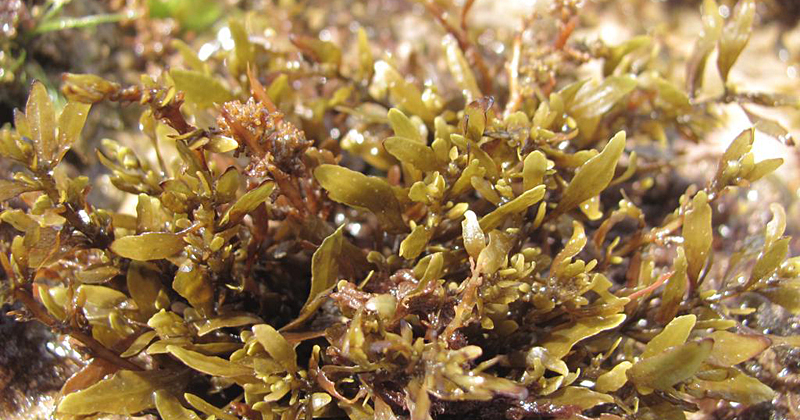
A pesquisa analisou quatro espécies de alga parda e uma de alga verde, todas originárias do litoral do Espírito Santo – Foto: Fungyi Chow

Fora dos oceanos, as algas estão por aí nas situações cotidianas: em volta do sushi, anunciadas por seus benefícios cosméticos em alguma embalagem na farmácia ou mesmo trazidas pelo mar para a areia da praia. Mas a aplicação delas pode ir muito além. Estudo do Instituto de Biociências (IB) da USP constatou que algumas algas apresentam potencial para tratar doenças causadas por vírus, como o HIV, e também na conservação de alimentos e cosméticos.
 
Em sua dissertação de mestrado, a bióloga Ana Maria Pereira Amorim analisou o potencial bioativo de quatro espécies de algas pardas e de uma espécie de alga verde (Codium isthmocladum), abundantes na costa do Espírito Santo. O objetivo foi aprofundar o conhecimento que se tem sobre esses organismos.

Os resultados quanto à aplicação de algumas dessas espécies no combate de doenças virais e como conservantes para alimentos e cosméticos foram considerados promissores pela pesquisadora. Ana Maria ressalta que se trata de de um estudo de prospecção, que pode servir de base para pesquisas futuras: “Seria necessário aplicar estudos mais aprofundados para colocar esses potenciais em prática, seja como medicamentos, tratamentos terapêuticos ou conservantes naturais”, pondera.

Potencial bioativo

O potencial bioativo está ligado às atividades biológicas, processos em que o organismo reage a determinados compostos químicos. No caso do estudo, foram medidos os potenciais antioxidante, antiviral, antibacteriano e citotóxico dos extratos.

Para medir o potencial antioxidante foram realizados ensaios in vitro com cada uma das algas. Eram medidas a propriedade de “inativar” a ação de metais que catalisam reações de oxidação, conhecida como capacidade quelante de metal, e a capacidade de transferência de hidrogênio e elétrons, todos processos ligados à oxidação.

A alga parda Padina gymnospora apresentou os melhores resultados antioxidantes. Ana Maria explica que isso pode estar relacionado a essa ser a espécie que apresentou maior concentração de substâncias fenólicas: “Já existe na literatura relação entre os florotaninos [substância fenólica exclusiva das algas pardas] e uma maior atividade antioxidante”.

Quanto ao potencial antiviral, foi utilizado um teste de inibição da transcriptase reversa, uma enzima necessária para a replicação do vírus HIV, com resultados positivos para as algas Sargassum cymosum e Codium isthmocladum. Além disso, o teste de citotoxicidade também foi promissor: foram utilizadas linhagens de células tumorais, sugerindo uma possível aplicação contra o câncer.

Entretanto, o teste antibacteriano, no qual se testou a capacidade dos extratos de inibir o crescimento de três espécies de bactérias, não apresentou atividade interessante.

A dissertação de mestrado de Ana Maria Pereira Amorim, Estudo de antioxidantes, potencial bioativo e composição química de Chnoospora minima, Dictyopteris plagiogramma, Padina gymnospora, Sargassum cymosum (Ochrophyta) e Codium isthmocladum (Chlorophyta) está disponível no Banco de Teses e Dissertações da USP.

Mais informações: e-mail abarretoamorim@gmail.com, com a pesquisadora Ana Maria Pereira Amorim
 
Link:
https://jornal.usp.br/ciencias/ciencias-biologicas/algas-apresentam-potencial-antiviral-e-antioxidante-mostra-estudo/

sábado, 9 de fevereiro de 2019

Cannabinoid compounds may inhibit growth of colon cancer cells

Date: February 6, 2019 Source: Penn State Summary: Medical marijuana has gained attention in recent years for its potential to relieve pain and short-term anxiety and depression. Now, researchers say some cannabinoid compounds may actually inhibit the growth of colon cancer cells in the lab.

Medical marijuana has gained attention in recent years for its potential to relieve pain and short-term anxiety and depression. Now, Penn State College of Medicine researchers say some cannabinoid compounds may actually inhibit the growth of colon cancer cells in the lab.

The researchers tested the effects of synthetic cannabinoid compounds on colon cancer cells in an experiment in test tubes. While the compounds most commonly associated with cannabis -- THC and CBD -- showed little to no effect, 10 other compounds were effective at inhibiting cancer cell growth.

Kent Vrana, chair of the Department of Pharmacology at Penn State College of Medicine, said the study -- recently published in Cannabis and Cannabinoid Research -- helped identify compounds that could be tested further to understand their anti-cancer properties.

"Now that we've identified the compounds that we think have this activity, we can take these compounds and start trying to alter them to make them more potent against cancer cells," Vrana said. "And then eventually, we can explore the potential for using these compounds to develop drugs for treating cancer."

Colorectal cancer is one of the most common cancers diagnosed in the United States, according to the National Cancer Institute, with an estimated 140,250 newly diagnosed cases and 50,630 deaths in 2018. While medical cannabis has largely been used in recent years for palliative care, the researchers said some previous studies suggested that certain cannabinoid compounds may have the potential to inhibit or prevent the growth of tumors.

To explore how effective cannabinoids were at reducing the viability of colon cancer cells specifically, the researchers tested how 370 different synthetic cannabinoid compounds affected seven types of human colon cancer cells.

"There are many different ways cells can become cancerous," Vrana said. "Each of the seven cells we tested had a different cause or mutation that led to the cancer, even though they were all colon cells. We didn't want to test these compounds on just one mutation or pathway to cancer."

The researchers incubated the cancer cells in a lab for eight hours before treating them with the cannabinoid compounds for 48 hours. Any compounds that showed signs of reducing the viability of one kind of cancer cell was then used to treat all seven kinds of cells.

After further screening and analysis, the researchers identified 10 compounds that inhibited the growth of almost all seven types of colon cancer types tested. But while the researchers were able to identify these compounds, Vrana said they are still unsure about how exactly the compounds worked to reduce the viability of the cancer cells.

"The 10 compounds we found to be effective fall into three classes, so they're similar to each other but with small changes," Vrana said. "We know how one of them works, which is by inhibiting the division of cells in general. We also found that the most potent and effective compounds don't seem to work through traditional marijuana receptors, although we're not sure of the exact mechanism yet."

Vrana said certain types of cells, like skin and colon cells, are more susceptible to cancers because they divide very frequently: "Every time a cell divides, there's the chance that it will mutate and keep dividing when it shouldn't, which is how cancers can start. So if we block that signal that's telling cancer cells to continue to divide, that could be a way to stop that cancer."

Vrana said that because the other compounds did not seem to be working through traditional cannabinoid signaling pathways, future research will focus on better understanding how the compounds interact with cancer cells and whether researchers can make the compounds more potent and effective.

Story Source:

Materials provided by Penn State. Original written by Katie Bohn. Note: Content may be edited for style and length.

Journal Reference:
Wesley M. Raup-Konsavage, Megan Johnson, Christopher A. Legare, Gregory S. Yochum, Daniel J. Morgan, Kent E. Vrana. Synthetic Cannabinoid Activity Against Colorectal Cancer Cells. Cannabis and Cannabinoid Research, 2018; 3 (1): 272 DOI: 10.1089/can.2018.0065

Cite This Page:
Penn State. "Cannabinoid compounds may inhibit growth of colon cancer cells." ScienceDaily. ScienceDaily, 6 February 2019. <www.sciencedaily.com/releases/2019/02/190206091420.htm>.

terça-feira, 27 de novembro de 2018

Olive oil and fungus protect wood from wood rot

Date: November 5, 2018

Source: Eindhoven University of Technology

Summary:
A fungus that does not attack wood, but preserves it. It sounds strange, but it is possible. A new study shows that black fungi on oiled wood can behave like a 'biofinish'. This layer colors the wood and protects it from wood rot and degradation by sunlight. An additional advantage: the fungus automatically repairs damage in the protective layer.

See more at: 
www.sciencedaily.com/releases/2018/11/181105122508.htm

segunda-feira, 13 de agosto de 2018

Algumas pesquisas sobre a segurelha

Texto: Nutricionista Simone Evangelista e Engenheiro Agrônomo Marcos Roberto Furlan

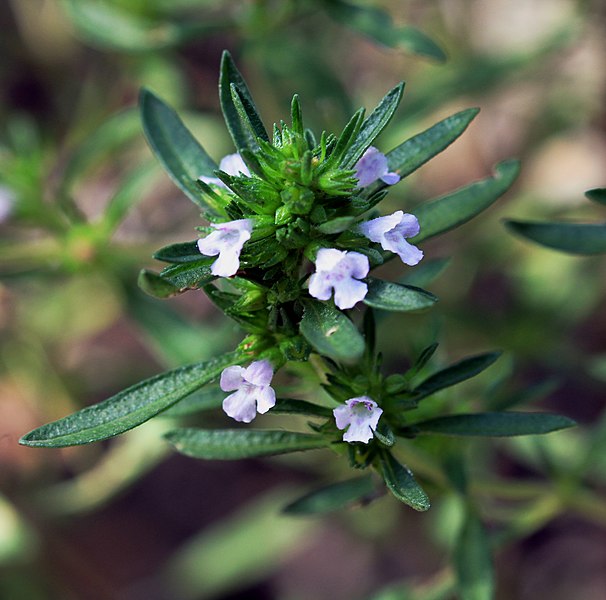
Alguns textos sobre a segurelha (foto) já foram escritos no blog. No entanto, devido à importância deste condimento tanto na saúde humana quanto na proteção de fungos que infeccionam plantas, o presente texto traz resultados de duas pesquisas recentes. 

Assim como os condimentos da família a que pertence, Lamiaceae, a segurelha, cujo nome científico é Satureja hortensis, produz óleo essencial rico em substâncias antioxidantes, isto é, que combatem os efeitos prejudiciais dos radicais livres. 
Foto: segurelha. 
https://commons.wikimedia.org/wiki/File:Satureja_hortensis_Prague_2011_3.jpg 

Farzaneh et al. (2015) verificaram que óleos essenciais de três espécies de Satureja (incluindo S. hortensis), possuem atividade antifúngica contra fungos nascidos em morango. Carvacrol, γ-terpineno e p-cimeno foram os principais constituintes dos óleos analisados.

Na pesquisa de Yaldiz e Çamlica (2017), os autores observaram que o óleo essencial obtido da segurelha colhida em plena floração, apresenta maior concentração fenólica e atividade antioxidante. Concluíram que a espécie é uma boa fonte antioxidante natural com alta concentração fenólica e atividade antioxidante.

Referências

FARZANEH, Mohsen et al. Chemical composition and antifungal effects of three species of Satureja (S. hortensis, S. spicigera, and S. khuzistanica) essential oils on the main pathogens of strawberry fruit. Postharvest Biology And Technology, [s.l.], v. 109, p.145-151, nov. 2015. Elsevier BV. http://dx.doi.org/10.1016/j.postharvbio.2015.06.014. 

YALDIZ, Gülsüm; ÇAMLICA, Mahmut. Antioxidant Activities of Satureja hortensis L. Essential Oil during the Flowering Period. Indian Journal Of Pharmaceutical Education And Research, [s.l.], v. 51, n. 3, p.258-261, 25 jul. 2017. EManuscript Services. http://dx.doi.org/10.5530/ijper.51.3s.25.

quarta-feira, 9 de maio de 2018

Mistura de óleos essenciais revela ação anti-salmonela e antioxidante

https://www.unicamp.br/unicamp/index.php/ju/noticias/2018/04/18/mistura-de-oleos-essenciais-revela-acao-anti-salmonela-e-antioxidante

18.04.2018

Mix de plantas aromáticas é alternativa tanto nas dietas de animais como na elaboração de produtos à base de carne de frango

TEXTO CARMO GALLO NETTO FOTOS ANTONIO SCARPINETTI EDIÇÃO DE IMAGEM LUIS PAULO SILVA

Por ser um alimento altamente perecível, a carne de frango e os produtos dela derivados são comumente passíveis de contaminação por salmonela (cujo nome científico é Salmonella), além de facilmente suscetíveis à perda de qualidade devido ao processo de oxidação lipídica.

A utilização de antibióticos e antioxidantes sintéticos no enfrentamento desses problemas tem sido a prática comum na indústria de alimentação animal e humana. Entretanto, os rigores cada vez maiores das regulamentações internacionais e mesmo nacionais, que proíbem ou restringem a utilização de aditivos sintéticos na produção alimentícia, e a conscientização crescente dos consumidores, em decorrência das mudanças nos contextos socioeconômicos e culturais, têm aumentado progressivamente a demanda por produtos mais naturais e que tendem a oferecer menores riscos à saúde.

Estes fatos têm levado a indústria alimentícia à utilização de componentes alternativos aos sintéticos. Ressalte-se que, no Brasil, que se tornou há mais de dez anos o maior exportador de carne de frango e seu segundo produtor mundial, apenas superado pelos EUA, essa preocupação assume particular importância, principalmente depois de a Operação Carne Fraca ter colocado em questão a seriedade e a competência das grandes empresas exportadoras brasileiras. 

Nesse contexto, as plantas aromáticas e seus óleos essenciais, que possuem pluralidades de atividades, constituem uma possibilidade de uso na ação antimicrobiana e antioxidante tanto nas dietas dos animais como na elaboração de produtos cárneos.
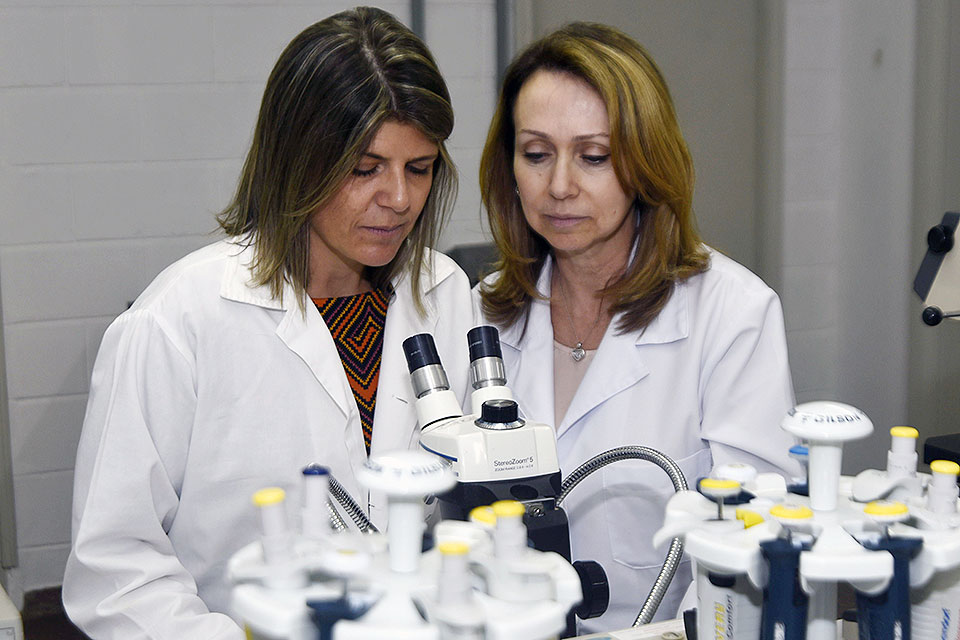
Adriana Nogueira Figueiredo (à esq.), autora do estudo, e Marta Cristina Teixeira Duarte, coordenadora da linha de pesquisa: encapsulamento de óleos essenciais em produtos cárneos rendeu patente

Em trabalho desenvolvido junto à linha de pesquisa mantida pela bióloga Marta Cristina Teixeira Duarte - pesquisadora do CPQBA-Unicamp e professora credenciada junto ao Programa de Pós-Graduação em Ciências de Alimentos da Faculdade de Ciências de Alimentos (FEA) da Universidade - que tem como foco a busca de novos antimicrobianos naturais a partir de plantas medicinais aromáticas, a zootecnista Adriana Nogueira Figueiredo utilizou uma mistura de dois óleos essenciais com o objetivo de obter um produto alternativo aos antibióticos e, portanto, com efeito anti-salmonela, e que também atuasse como antioxidante, propiciando ampliação do tempo de vida útil da carne, quando adicionado à alimentação de frangos.

Em vista das reconhecidas múltiplas funções dos óleos essenciais, a pesquisadora partiu da hipótese de que uma mistura de óleos essenciais provenientes das espécies aromáticas tomilho (Thymus vulgaris) e alfavacão (Ocimum gratissimum) poderiam exercer ação em frangos de corte tanto para o controle da salmonela (atividade antibacteriana) como da oxidação lipídica da carne (atividade antioxidante).

Diante dos bons resultados, a mesma composição de óleos essenciais foi também adicionada na elaboração de almôndegas, em substituição aos antioxidantes sintéticos, produzidas segundo processos industriais a partir das carnes moídas de peito e de sobrecoxa dos animais, cortes selecionados por se distinguirem na quantidade de gordura. A mistura dos óleos essenciais encapsulados nesses produtos cárneos revelou-se verdadeiramente eficaz e esse novo processamento foi patenteado mesmo antes da conclusão do doutorado da pesquisadora.

A professora Marta ressalta a importância do trabalho quando se sabe da tendência cada vez maior da substituição de produtos sintéticos antimicrobianos e antioxidantes por produtos naturais na indústria alimentícia. No caso dos antimicrobianos ela lembra o perigo crescente de resistência aos antibióticos pelo seu uso indiscriminado em vários segmentos, o que aponta na necessidade de desenvolvimento de antibióticos cada vez mais potentes.

Ação anti-salmonela

Para verificar a ação anti-salmonela da mistura dos óleos essenciais utilizados, Adriana inoculou em pintinhos, com três dias de vida, salmonelas resistentes coletadas de aves contaminadas. Esses animais foram então divididos em grupos e alimentados durante 21 dias com ração em que foi adicionada a mistura encapsulada dos óleos para facilitar a homogeneização e evitar perdas por volatilização. Cada um dos grupos recebeu ração com uma determinada concentração da blenda para comparação dos resultados inclusive com o grupo de controle, alimentado com ração padrão. Periodicamente animais desses grupos eram abatidos para que pudessem ser obtidas as respectivas curvas de variação das salmonelas através da coleta das excretas e do conteúdo do ceco das aves, parte final do intestino em que estas proliferam. Verificou-se que os óleos essenciais efetivamente diminuíram o crescimento das salmonelas durante o período experimental bem mais do que ocorria na situação de controle, chegando essa diminuição a ser mil vezes menor.

Ação antioxidante

Em vista de a literatura indicar que esses mesmos óleos essenciais também exercem efeito antioxidantes, as pesquisadoras resolveram testá-los no frango durante o seu crescimento e depois do abate até chegar ao consumidor, de modo a abranger toda a cadeia produtiva. Para tanto, à ração das aves foi adicionada a mesma mistura de óleos essenciais encapsulados, fornecida durante 35 dias até o abate. Nesse período mediu-se o efeito antioxidante em dois cortes de frangos: o peito e a sobrecoxa, ou seja, partes com menor e maior quantidade de gordura. Os resultados mostraram que os óleos essenciais retardaram a oxidação lipídica da carne e que seus efeitos foram mais efetivos na sobrecoxa, porção mais rica em lipídios. Os ensaios se estenderam até sete dias depois do abate, período em que a carne comercializada permanece na geladeira. Os resultados foram melhores quando comparados com a adição do antioxidante sintético à ração.

Patenteada ação no prato pronto

Restava testar ainda qual o efeito antioxidante da mesma mistura de óleos essenciais encapsulados, quando utilizada em substituição aos antioxidantes sintéticos, em almôndegas feitas com peito e sobrecoxa de frangos do grupo de controle, ou seja, de aves criadas com ração padrão, sem antioxidantes.

As almôndegas foram preparadas com carne moída de peito e sobrecoxa e temperadas, segundo processos industriais convencionais, e receberam a adição dos óleos encapsulados e foram então avaliados os efeitos protetores nessas almôndegas antes e depois do cozimento. A professora Marta considera os resultados de extrema importância: “A substituição do antioxidante sintético pelo natural é totalmente viável. A mistura encapsulada utilizada tem ação efetiva quando adicionada na alimentação do frango de corte, mas, principalmente na fabricação de produtos cárneos, o que nos levou a patentear o processo”. Embora tenham sido também produzidas almôndegas a partir dos mesmos cortes oriundos de frangos que já tinham recebido a blenda na ração, os efeitos mostraram-se muito superiores quando a mistura é adicionada diretamente à carne processada.

Apesar das ervas utilizadas para a extração dos óleos essenciais serem muito baratas, os processos de extração e encapsulamento os encarecem, e os custos ainda não os fazem competitivos com os antioxidantes sintéticos. “Mas o apelo de produto natural, uma exigência cada vez maior em decorrência do aumento da consciência do consumidor, obriga a indústria alimentícia à oferta de produtos livres de aditivos sintéticos, pressionada inclusive por regulamentações legais progressivamente mais rigorosas e lideradas por países centrais”, afirma Adriana. 

Imagem de capa JU-online

Pesquisadora obtém extrato do fruto verde do café


02.05.2018

Compostos têm potencial para aplicação pelas indústrias alimentícia, farmacêutica e de cosméticos

TEXTO MANUEL ALVES FILHO FOTOS ANTONIO SCARPINETTI EDIÇÃO DE IMAGEM LUIS PAULO SILVA

Quando utilizado para a produção de bebida, o desejável é que o grão do café esteja maduro, no estágio denominado pelo mercado de “cereja”. É quando o produto reúne os melhores atributos para ser secado, torrado e transformado num líquido saboroso, aromático e revigorante. Ocorre que o grão verde também apresenta propriedades muito interessantes, como acaba de constatar tese de doutorado desenvolvida pela cientista de alimentos Wanessa Costa Silva Faria, defendida na Faculdade de Engenharia de Alimentos (FEA) da Unicamp, sob a orientação da professora Neura Bragagnolo e coorientação de Edemilson Cardoso da Conceição, docente da Universidade Federal de Goiás (UFG). A pesquisa desenvolveu processos para a obtenção e microencapsulação do extrato do fruto verde, com potencial para aplicação pelas indústrias alimentícia, farmacêutica e de cosméticos. O trabalho gerou pedido de registro de patente que engloba as duas metodologias.

De acordo com Wanessa, comparado ao grão maduro, o fruto verde do café apresenta maiores teores de ácidos clorogênicos e cafeína, dois compostos bioativos que proporcionam variados benefícios à saúde humana. A literatura científica aponta que essas substâncias apresentam propriedades antioxidantes, anti-inflamatórias, antibacterianas, anticarcinogênicas e neuroprotetivas. No estudo, Wanessa utilizou duas variedades de café (arábica e canéfora), ambas cedidas pela Empresa de Pesquisa Agropecuária de Minas Gerais (Epamig), unidade de Viçosa. 
Wanessa Faria, autora da tese: fruto verde do café apresenta maiores teores de ácidos clorogênicos e cafeína, compostos bioativos com propriedades antioxidantes, anti-inflamatórias, antibacterianas, anticarcinogênicas e neuroprotetivas

No laboratório da FEA, foram realizados estudos de extração, otimização do processo extrativo e caracterização dos frutos. Já o processo de microencapsulação foi feito na UFG. As análises sobre a eficácia antioxidante do extrato e o seu grau de segurança (toxicidade) foram executadas, respectivamente, no Instituto Federal de Mato Grosso (IFMT) e Universidade Federal de Mato Grosso (UFMT). “Foram parcerias importantes, uma vez que a pesquisa teve um forte caráter multidisciplinar. Aqui na FEA, por exemplo, nós não teríamos condições de fazer os estudos in vivo”, justifica a professora Neura.

A autora da tese explica que a investigação em torno da atividade antioxidante envolveu o uso do extrato livre e também microencapsulado das duas variedades de cafés em óleo de girassol. Essa matriz alimentícia foi escolhida porque é rica em ácidos graxos insaturados. “Fizemos um estudo de estabilidade acelerada por 45 dias. Durante esse período, analisamos a formação de compostos primários e secundários da oxidação lipídica. Nós constatamos que tanto o extrato livre quanto o microencapsulado foram tão eficientes quanto o antioxidante sintético utilizado hoje em dia. Ou seja, ambos poderiam ser utilizados como aditivos em alimentos que contêm gordura, de modo a inibir a oxidação lipídica”, atesta Wanessa.

A professora Neura acrescenta que, nesse caso, o extrato microencapsulado demonstrou um desempenho superior ao livre. A explicação provavelmente está no fato de as microcápsulas liberarem gradualmente os compostos, ampliando assim o tempo de preservação da matriz alimentícia contra o processo de oxidação. “Isso abre perspectiva não apenas de usar o extrato de café verde com esse objetivo, mas também em alimentos que, após ingeridos, vão combater o envelhecimento das células do organismo humano”, assinala a docente.

O estudo que avaliou a segurança dos biocompostos foram precedidos de uma simulação computacional, que orientou posteriormente os ensaios em modelo animal. O ensaio de toxicidade aguda, esclarece Wanessa, foi feito com camundongos. Foram administradas seis dosagens – de 100 a 5 mil miligramas por quilo – nos animais. “Somente na dosagem de 5 mil miligramas de extrato livre foram registradas mortes (50%) dos animais, tanto machos quanto fêmeas. Vale ressaltar que, de acordo com o guia em que nos baseamos, seria impossível ao ser humano consumir essa quantidade”, explica.
A professora Neura Bragagnolo, orientadora do trabalho: “Nosso objetivo é licenciar essas metodologias, de modo a oferecer novas alternativas ao setor produtivo, que, a partir delas, poderia desenvolver produtos que agregariam valor ao café e trariam benefícios à sociedade”

Entretanto, a mesma dose de 5 mil mg/kg do extrato microencapsulado não causou morte em nenhum dos animais, mostrando que o processo de microencapsulação retardou a absorção das substâncias responsáveis pela morte dos camundongos que receberam o extrato livre. A autora da tese também testou a toxicidade subaguda, mas somente com os compostos microencapsulados, também em modelo animal, durante 30 dias. Ratos receberam dosagem diária diretamente no estômago, sendo que nenhum deles apresentou qualquer alteração dos fatores hematológicos ou bioquímicos, nem em relação ao ganho de peso. “O comportamento foi igual ao do grupo controle, que recebeu apenas água”, relata a cientista de alimentos.

Tanto na visão da autora da tese quanto na da orientadora, os dois processos desenvolvidos ao longo da pesquisa poderiam ser transferidos sem grandes dificuldades para a indústria, caso alguma demonstre interesse. “Nosso objetivo é conseguir licenciar essas metodologias, de modo a oferecer novas alternativas ao setor produtivo, que, a partir delas, poderia desenvolver produtos que agregariam valor ao café e trariam benefícios à sociedade”, entende a professora Neura.

De acordo com Wanessa, uma das vantagens do método de extração desenvolvido por ela foi a dispensa de solventes tóxicos. “Eu utilizei somente água e etanol. O processo se mostrou econômico e proporcionou um bom rendimento em comparação com os métodos convencionais”, afirma a pesquisadora, que contou com bolsa de estudo concedida pela Coordenação de Aperfeiçoamento de Pessoal de Nível Superior (Capes).

Imagem de capa JU-online

terça-feira, 13 de março de 2018

Fungos da Mata Atlântica podem auxiliar na saúde e na agricultura

Link:

Fungos selecionados em pesquisa podem auxiliar área médica e agrícola
Arquipélago de Alcatrazes – Estação Ecológica de Tupinambás – Foto: Marcos Simanovic via Wikimedia Cmmons / CC BY-SA 3.0

A Mata Atlântica foi o cenário de um estudo realizado na Escola Superior de Agricultura Luiz de Queiroz (Esalq) da USP que propõe auxiliar no combate a doenças em humanos e na agricultura. Desenvolvida no Programa de Pós-Graduação em Microbiologia Agrícola, a tese Metabólitos secundários produzidos por fungos endofíticos isolados de Anthurium alcatrazense e Begonia spp. teve como objetivo descrever a extração de compostos produzidos por fungos com aplicações na área médica (como antibióticos, remédios contra o câncer e contra a leishmaniose) e na agricultura (como agroquímicos contra a antracnose e a seca da haste da soja).

O estudo tem autoria de Diana Fortkamp e orientação da professora Simone Possedente de Lira, do Departamento de Ciências Exatas da Esalq, em Piracicaba (SP), e faz parte do projeto temático Biota Fapesp intitulado Componentes da Biodiversidade, e seus Caracteres Metabólicos, de Ilhas do Brasil – Uma Abordagem Integrada, tendo como pesquisador responsável o professor Roberto Gomes de Souza Berlinck.

“Buscamos isolar os fungos que habitam o interior de plantas, os quais são conhecidos como fungos endofíticos”, explica Diana.

Segundo a pesquisadora, as coletas das folhas de plantas foram realizadas na Mata Atlântica em dois lugares: no continente, em Ubatuba, e na Ilha de Alcatrazes (ambas no Estado de São Paulo). “No continente coletamos a planta Begonia fischeri (nome popular: begônia) e na Ilha de Alcatrazes, as plantas Begonia venosa (nome popular: begônia) endêmica [de ocorrência em espaço específico] na Mata Atlântica, e Anthurium alcatrazense (nome popular: antúrio), endêmico da Ilha de Alcatrazes.”
Compostos isolados surgem como uma nova alternativa no combate a doenças agrícolas. Na imagem, Alcatrazes – Foto: Divulgação / Comunicação da Esalq

Diana conta que alguns dos compostos fúngicos isolados nessa pesquisa foram ativos no combate ao alvo do proteassoma – grupo de enzimas que é um alvo validado contra o câncer -, contra o fungo Colletotrichum gloeosporioides – um dos fungos causadores da antracnose, doença que afeta diversas culturas agrícolas – e contra o fungo Phomopsis sojae, causador do cancro e seca da haste e da vagem de soja.

“Outras frações fúngicas, cujos compostos puros ainda não foram identificados, se mostraram ativas contra a formação de biofilme de duas bactérias (Pseudomonas aeruginosa, gram negativa e Staphylococcus aureus, gram positiva), mostrando possibilidade de atuação conjunta com antibióticos.” Essa parte da pesquisa, relata a autora, foi realizada como parte do doutorado sanduíche de seis meses na Alemanha, no Helmholtz Zentrum für Infektionsforschung, na cidade de Braunschweig, sob a orientação de Wolf-Rainer Abraham.

“Ainda precisam ser realizados testes de toxicidade, entre outros, mas esses compostos isolados surgem como uma nova alternativa no combate a essas doenças”, finaliza.

A pesquisa contou com a colaboração de outras instituições, com o apoio do Instituto Chico Mendes de Conservação da Biodiversidade (ICMBio) e da Marinha, e com o financiamento do Conselho Nacional de Desenvolvimento Científico e Tecnológico (CNPq) e da Fundação de Amparo à Pesquisa do Estado de São Paulo (Fapesp). Diana Fortkamp foi bolsista do CNPq e também da Coordenadoria de Aperfeiçoamento de Pessoal de Nível Superior (Capes).

Caio Albuquerque/ Divisão de Comunicação da Esalq

sexta-feira, 23 de fevereiro de 2018

New symmetry-breaking method opens way for bioactive compounds

Date: February 22, 2018 Source: Ecole Polytechnique Fédérale de Lausanne Summary:
Chemists have developed a new catalytic method for symmetry breaking. The method can help synthesize important building blocks for bioactive compounds such as anticancer drugs.
A demonstration of molecular chirality using 3-D atomic models in the lab.
Credit: J. Waser/EPFL

Many chemical molecules can exist in nature together with their mirror counterparts; like hands, two compounds can be made up of the same atoms in the same overall structure but in opposite orientations, i.e. left-handed and right-handed. This phenomenon of symmetry is called "chirality," and can give mirror counterparts ("enantiomers") entirely different chemical properties. A famous and tragic example of chirality is thalidomide, which was originally sold as a mixture of both enantiomers. The problem was that one was a harmless sedative and the other highly toxic to fetuses, resulting in disturbing congenital deformities.

So today it has become imperative to synthesize compounds with what is known as high "optical purity," which is a measurement of chiral purity: the degree to which a sample contains one enantiomer in greater amounts than the other. But because enantiomers have very small structural differences and identical stability, synthesizing one over the other is a very challenging task.

One way to do this is what chemists call "desymmetrization" of a non-chiral compound that is similar to the target molecule. This involves modifying a molecule so that it loses the symmetry elements that prevented it to be chiral.

Researchers at Jérôme Waser's Laboratory of Catalysis and Organic Synthesis at EPFL have now developed a new desymmetrization strategy to access chiral building blocks containing urea sub-structures. Urea derivatives are important components of biomolecules such as biotin (vitamin B7) or bioactive natural products, such as the anticancer agelastatin A.

The researchers made two crucial innovations. First, they designed a non-chiral cyclopropane (three-membered carbon ring) precursor. This molecule offers enhanced reactivity and is ideal for reactions under mild conditions.

Second, the researchers engineered a new copper catalyst that can form an enantiomer of the desired product with high selectivity. The copper center binds and activates the cyclopropane precursor, causing its bonds to break. The precursor is then attacked by an indole, a molecule very important as structural element of bioactive compounds. As a result, the precursor loses its symmetry -- and therefore becomes chiral -- and can be used to selectively make the desired enantiomer.

The work is an important breakthrough, as desymmetrization has never been used to access chiral ureas from cyclopropanes before. "New building blocks can be now easily accessed as pure enantiomers, and can be tested for bioactivity or used to synthesize more complex chiral molecules," says Jérôme Waser. "Moreover, the new catalyst we have designed certainly will be useful for other applications in synthetic chemistry."

Story Source:

Materials provided by Ecole Polytechnique Fédérale de Lausanne. Note: Content may be edited for style and length.

Journal Reference:
Daniele Perrotta, Ming-Ming Wang, Jerome Waser. Lewis Acid Catalyzed Enantioselective Desymmetrization of Donor-Acceptor Meso-Diaminocyclopropanes. Angewandte Chemie International Edition, 2018; DOI: 10.1002/anie.201800494

Cite This Page:
Ecole Polytechnique Fédérale de Lausanne. "New symmetry-breaking method opens way for bioactive compounds." ScienceDaily. ScienceDaily, 22 February 2018. <www.sciencedaily.com/releases/2018/02/180222125745.htm>.

terça-feira, 10 de outubro de 2017

Cannabidiol benefits and mechanisms shown in mouse study of Dravet syndrome

Cannabidiol treatment reduces seizures and autism-like behaviors in mice with this genetic condition 
 
Date: October 10, 2017
 
Source: University of Washington Health Sciences/UW Medicine
 
Summary: Cannabidiol, a non-intoxicating derivative from cannabis, has been shown to reduce seizures and autism-like behaviors in a mouse model of a genetic disorder, Dravet syndrome. Children with this devastating condition have difficult-to-treat epilepsy, cognitive impairments, and problems with social interactions. The researchers also studied how therapeutic effects of cannabidiol relate to changes in signaling between certain brain neurons.

Treatment with cannabidiol reduces some major symptoms in mice with a genetic condition recapitulating Dravet syndrome, a devastating childhood brain disorder.

Cannabidiol is a non-intoxicating substance among the several active compounds derived from Cannabis plants. This molecule can also be produced synthetically.

The results of its use to treat Dravet syndrome are reported in the latest edition of the Proceedings of the National Academy of Sciences, PNAS.

Children with this syndrome have severe, difficult-to-control epilepsy. Their seizures, which can be frequent and prolonged, first appear in infancy. As the affected individual grows, intellectual impairments, autism-like behaviors and other debilitating problems can emerge.

Many patients need nearly constant care. Some are at risk for early death. Few therapeutic options exist for this life-long condition.

UW Medicine researcher William Catterall, one of the authors of the PNAS paper, noted, "There has been increasing interest in the lay press about parents who have used cannabidiol to successfully treat their children." Catterall is a professor of pharmacology at the University of Washington School of Medicine in Seattle.

Medicinal cannabis use is booming for many disorders, the authors of the paper said, even without enough preclinical evidence or sufficient insights into its mechanism of action.

The success of small-scale clinical trials for Dravet syndrome patients in reducing the frequency of their seizures, they explained, encourages additional research to determine if cannabidiol might help with other aspects of their condition.

"We have developed a mouse genetic model of Dravet syndrome, which is allowing us to probe more deeply into the possible beneficial effects of cannabidiol," Catterall said. The researchers also wanted to see how the beneficial effects of cannabidiol may depend on changes in the molecular signaling processes that certain brain neurons use to communicate with each other.

The researchers found that, in mice, cannabidiol treatment effectively reduced the severity and duration of seizures, as well as their frequency. The Dravet mice on low-dose cannabidiol treatment spent more time interacting with mice that were strangers to them, and were less likely to try to escape these social interactions.

These results predict that Dravet syndrome patients may have better social interactions and fewer autism-like symptoms when treated with low doses of cannabidiol.

This improvement in social interactions, however, was lost at the higher doses necessary to protect against seizures.

"These findings present a conundrum for designing Dravet syndrome treatments that both control seizures and improve social behavior," noted Nephi Stella, another researcher on the study from the UW departments of pharmacology and psychiatry and behavioral sciences.

The discrepancy is similar to that seen in an earlier study of clonazepam by Catterall and colleagues. They found that higher doses of clonazepam were required to control Dravet syndrome seizures, but lower doses to treat its autistic and cognitive aspects.

In looking at how cannabidiol affects brain neurons in the Dravet syndrome mouse model, the researchers observed that it rebalances the ratio of excitation to inhibition in the hippocampus. This is a part of the brain involved in learning and memory.

These experimental findings suggest that cannabidiol reverses Dravet syndrome's core deficit, which is failure of the brain's inhibitory neurons to fire electrical signals and control the activity of nearby excitatory neurons. The researchers also found that cannabidiol may act by antagonizing GPR55, a brain receptor that remains poorly understood.

Determining the detailed molecular mechanism that mediates the therapeutic actions of cannabidiol may suggest development strategies for new drugs aimed at GPR55, according to the researchers. Such potential new class of medicines would ideally be more effective against seizures and cognitive deficit and would enter the brain more efficiently than the currently available therapeutics.

Compared to many existing medications for epilepsy, cannabidiol shows fewer and milder side effects. The researchers concluded that this study contributes to the emerging data that supports the efficacy of cannabidiol in otherwise treatment-resistant epilepsy and may lead to improved therapies for these debilitating diseases.

Story Source:

Materials provided by University of Washington Health Sciences/UW Medicine. Note: Content may be edited for style and length.

Journal Reference:
Joshua S. Kaplan, Nephi Stella, William A. Catterall, Ruth E. Westenbroek. Cannabidiol attenuates seizures and social deficits in a mouse model of Dravet syndrome. Proceedings of the National Academy of Sciences, 2017; 201711351 DOI: 10.1073/pnas.1711351114

Cite This Page:
University of Washington Health Sciences/UW Medicine. "Cannabidiol benefits and mechanisms shown in mouse study of Dravet syndrome: Cannabidiol treatment reduces seizures and autism-like behaviors in mice with this genetic condition." ScienceDaily. ScienceDaily, 10 October 2017. <www.sciencedaily.com/releases/2017/10/171010105651.htm>.

quinta-feira, 25 de agosto de 2016

'Missing evolutionary link' of a widely used natural drug source found

Date: August 19, 2016

Source: The Scripps Research Institute

Summary:
A well-known family of natural compounds, called “terpenoids,” have a curious evolutionary origin. In particular, one question relevant to future drug discovery has puzzled scientists: exactly how does Nature make these molecules?

A well-known family of natural compounds, called "terpenoids," have a curious evolutionary origin. In particular, one question relevant to future drug discovery has puzzled scientists: exactly how does Nature make these molecules?

A study from scientists on the Florida campus of The Scripps Research Institute (TSRI) has now filled in a missing piece of the evolutionary puzzle, determining a previously unknown structure of a family of proteins that are key to making these compounds.

Terpenoids, mostly produced by plants, are a family of molecules that encompass some of the most well-known and successful drugs derived from natural sources, for example the cancer treatment Taxol®. In total, there are more than 65,000 known terpenoids.

Natural compounds, such as terpenoids, are typically made by numerous enzymes that stitch the parts together, like building a model from Lego®. In the new study, the team focused on enzymes known as terpene synthases, which are found in both plants and bacteria.

The study, led by TSRI Professor Ben Shen, was recently published online ahead of print by the Journal of the American Chemical Society. In addition to the advance in the structural biology of this class of proteins, the new findings could also affect drug discovery, making engineering of these proteins, and thus the compounds they make, easier in the future.

Using x-ray crystallography -- freezing the atomic structure of a protein, then bombarding it with x-rays to create a snapshot of it -- Shen and his colleagues developed a detailed structural model that provides a far better understanding of bacterial diterpene synthases and how this class of enzymes work in a natural setting.

"What we found out is that the bacterial version is structurally very similar to the plant version and may support the idea of a gene fusion event that created the bifunctional plant enzymes," said TSRI Research Associate Jeffrey Rudolf, a co-first author of the paper with TSRI Research Associate Liao-Bin Dong. "We were also able to map which parts of the enzyme are important, giving us an idea of how to engineer the protein for structural diversity."

Dong added, "This new information not only allows us to engineer structural diversity into both bacterial and plant terpenoids, it also helps us identify new diterpenoids of bacterial origin, which are rare and could lead to exciting new natural compounds with interesting biological activities."

Story Source:

The above post is reprinted from materials provided by The Scripps Research Institute. Note: Content may be edited for style and length.

Journal Reference:
Jeffrey D. Rudolf, Liao-Bin Dong, Hongnan Cao, Catherine Hatzos-Skintges, Jerzy Osipiuk, Michael Endres, Chin-Yuan Chang, Ming Ma, Gyorgy Babnigg, Andrzej Joachimiak, George N. Phillips, Ben Shen.Structure of theent-Copalyl Diphosphate Synthase PtmT2 fromStreptomyces platensisCB00739, a Bacterial Type II Diterpene Synthase. Journal of the American Chemical Society, 2016; DOI:10.1021/jacs.6b04317

Cite This Page:
The Scripps Research Institute. "'Missing evolutionary link' of a widely used natural drug source found." ScienceDaily. ScienceDaily, 19 August 2016. <www.sciencedaily.com/releases/2016/08/160819084618.htm>.