Mostrando postagens com marcador Fungos. Mostrar todas as postagens

quarta-feira, 25 de janeiro de 2017

Sequencing poisonous mushrooms to potentially create medicine

Date: January 24, 2017

Source: Michigan State University

Summary:
A team of scientists has genetically sequenced two species of poisonous mushrooms, discovering that they can theoretically produce billions of compounds through one molecular assembly line. This may open the door to efficiently tackling some lethal diseases.
A team of Michigan State University scientists has genetically sequenced two species of poisonous mushrooms, discovering that they can theoretically produce billions of compounds through one molecular assembly line.
Credit: By G.L. Kohuth

A team of Michigan State University scientists has genetically sequenced two species of poisonous mushrooms, discovering that they can theoretically produce billions of compounds through one molecular assembly line. This may open the door to efficiently tackling some lethal diseases.

The study, published in the journal BMC Genomics, reveals the DNA of two Amanita mushrooms, which are responsible for the majority of fatal mushroom poisonings.

The team will focus on the "Death Cap," which grows all over the West Coast and Europe, and the "Destroying Angel," native to Michigan.

"We actually did a partial DNA sequence of the two mushrooms 10 years ago," said Jonathan Walton, professor at the MSU-DOE Plant Research Laboratory and co-lead author. "As sequencing has gotten faster and cheaper, we were able to complete the project recently."

As Walton expected, the data revealed the genes responsible for producing several of the known harmful poisons, which come in the form of small, ring-shaped molecules called cyclic peptides.

"Because cyclic peptides lack any free ends, it is hard for our bodies to latch on to them in order to digest them or to repel them," Walton said. "So the peptides enter our blood streams and target our cells very easily, very precisely."

To their surprise, Walton and colleagues found mushrooms have the potential to synthesize many more cyclic peptides than previously known, potentially in the billions, through one molecular production platform. The researchers have already discovered three previously unknown cyclic peptides based on patterns in the newly discovered DNA sequence.

Walton can already picture using cyclic peptides' laser-like ability to penetrate human cells for medicinal uses, noting that only a few mushroom peptides are poisonous to people.

"Imagine you have 10 different Lego bricks," Walton said.

"There are so many ways you can put them together. Cyclic peptides are assembled just like Legos, each one made of 8-10 out of a total of 20 possible amino acids. If you scramble these components, you can synthesize a huge number of these molecules in the lab through that one molecular platform."

Until now, however, the only studies done with this type of mushroom extracts have looked for conditions that kill mammals.

"Yet, many cyclic peptides are already known to be important drugs against tuberculosis, drug-resistant Staphylococcus and cancer. By harnessing the Amanita system, we can imagine a less crude and potentially more effective way to synthesize a large pool of new compounds, which we can test for potential pharmaceutical uses."

Story Source:

Materials provided by Michigan State University. Note: Content may be edited for style and length.

Journal Reference:
Jane A. Pulman, Kevin L. Childs, R. Michael Sgambelluri, Jonathan D. Walton. Expansion and diversification of the MSDIN family of cyclic peptide genes in the poisonous agarics Amanita phalloides and A. bisporigera. BMC Genomics, 2016; 17 (1) DOI: 10.1186/s12864-016-3378-7

Cite This Page:
Michigan State University. "Sequencing poisonous mushrooms to potentially create medicine." ScienceDaily. ScienceDaily, 24 January 2017. <www.sciencedaily.com/releases/2017/01/170124111536.htm>.

terça-feira, 6 de setembro de 2016

Fungi contribute to delayed healing of chronic wounds

Date: September 6, 2016

Source: American Society for Microbiology

Summary:
Fungal communities found in chronic wounds can form mixed bacterial-fungal biofilms and can be associated with poor outcomes and longer healing times, researchers have discovered. Their report is the first deep characterization of the fungi found in diabetic foot ulcers.


Researchers in Pennsylvania and Iowa have discovered that fungal communities found in chronic wounds can form mixed bacterial-fungal biofilms and can be associated with poor outcomes and longer healing times. Their report, the first deep characterization of the fungi found in diabetic foot ulcers, is published this week in mBio, an online open-access journal of the American Society for Microbiology.

The team followed 100 patients with diabetic foot ulcers -- open wounds located on the bottom of the foot -- during the course of 26 weeks, or until the wound healed or required amputation. Their findings highlight that fungal components of the microbiome can play a major role in hampering the healing of chronic wounds.

"Chronic wounds are a silent epidemic," says Elizabeth Grice, assistant professor of dermatology and microbiology at University of Pennsylvania in Philadelphia and senior author on the study. "They usually occur in conjunction with another disorder such as diabetes or obesity, but once a chronic wound occurs, it requires a lot of healthcare and has a devastating effect on a patient's quality of life."

The American Diabetes Association estimates that more than 7 million diabetics in the US will have a diabetic foot ulcer in their lifetime and 15 percent will end up with a lower limb amputation. Healthcare for chronic wounds in the US costs tens of billions of dollars each year.

Grice and postdoctoral researcher Lindsay Kalan wanted to know which fungal species make up the communities thriving deep inside a chronic wound and what roles they might play in impaired healing. This represents a "huge missing piece" of chronic wound research, says Grice.

All of the ulcer patients were given the same medical care. A team led by Sue Gardner, professor of nursing at University of Iowa, sampled patients' deep wound fluid every two weeks. Those samples were sent to Grice and Kalan for genetic sequencing and identification of the fungi residing in the wounds.

The team found that 80 percent of the wounds harbored fungi -- much higher than previous estimates -- from 284 different species. The most abundant fungus, Cladosporium herbarum, was found in 41 percent of the samples and the human pathogen Candida albicans was next most abundant, in a little over one-fifth of the samples.

No single species of fungi was associated with poor outcomes, but rather mixed communities were associated with slow healing or complications such as bone infection and amputation. However, higher levels of ascomycetes, or sac fungi, at the initial swabbing were associated with wounds that took longer than 8 weeks to heal. This hints that, in the future, doctors might be able to swab wounds to get a quick prediction of the time to heal.

Kalan looked at two patients' wounds more closely to determine if their stable communities of microbes could grow biofilms, which are thought to keep many chronic wounds festering.

She isolated the C. albicans yeast and Citrobacter freundiibacteria from a patient whose wound eventually healed and she isolated the fungus Trichosporon asahii and bacteria Staphylococcus simulans from a patient whose wound resulted in an amputation. When she co-cultured these bacterial-fungal pairs in the laboratory, she found that both pairs formed a mixed biofilm.

"Lindsay showed very nicely that the fungi interact with the bacteria, potentially making biofilms within wounds," says Grice. "You can't properly target treatment if you are missing that critical interaction."

Kalan says the study is a first step toward better understanding chronic wounds and develop better ways to treat them: "There are polymicrobial interactions within these wounds. It's important to look at the fungal and bacterial communities and how they interact with each other and the immune system to impair or promote healing."

Story Source:

The above post is reprinted from materials provided byAmerican Society for Microbiology. Note: Content may be edited for style and length.

Journal Reference:
Lindsay Kalan et al. Redefining the Chronic-Wound Microbiome: Fungal Communities Are Prevalent, Dynamic, and Associated with Delayed Healing. mBio, September 2016 DOI: 10.1128/mBio.01058-16

Cite This Page:
American Society for Microbiology. "Fungi contribute to delayed healing of chronic wounds." ScienceDaily. ScienceDaily, 6 September 2016. <www.sciencedaily.com/releases/2016/09/160906103144.htm>.

sábado, 13 de agosto de 2016

Fungal Metabolites for the Control of Biofilm Infections

Many microbes attach to surfaces and produce a complex matrix of polymers surrounding their cells, forming a biofilm. In biofilms, microbes are much better protected against hostile environments, impairing the action of most antibiotics. A pressing demand exists for novel therapeutic strategies against biofilm infections, which are a grave health wise on mucosal surfaces and medical devices. From fungi, a large number of secondary metabolites with antimicrobial activity have been characterized. This review discusses natural compounds from fungi which are effective against fungal and bacterial biofilms. Some molecules are able to block the cell communication process essential for biofilm formation (known as quorum sensing), others can penetrate and kill cells within the structure. Several targets have been identified, ranging from the inhibition of quorum sensing receptors and virulence factors, to cell wall synthesizing enzymes. Only one group of these fungal metabolites has been optimized and made it to the market, but more preclinical studies are ongoing to expand the biofilm-fighting arsenal. The broad diversity of bioactive compounds from fungi, their activities against various pathogens, and the multi-target trait of some molecules are promising aspects of fungal secondary metabolites. Future screenings for biofilm-controlling compounds will contribute to several novel clinical applications. 
Estrela, A.B.; Abraham, W.-R. Fungal Metabolites for the Control of Biofilm Infections. Agriculture 2016, 6, 37.

Link:

quinta-feira, 17 de dezembro de 2015

Active ingredient in magic mushrooms reduces anxiety, depression in cancer patients

Date: December 10, 2015

Source: American College of Neuropsychopharmacology

Summary:
Psilocybin, found in magic mushrooms, decreased anxiety and depression in patients diagnosed with life-threatening cancer. New research shows that patients who received a psilocybin dose that altered perception and produced mystical-type experiences reported significantly less anxiety and depression compared with patients who received a low dose of the drug. The positive effects lasted 6 months.

A single dose of psilocybin, the major hallucinogenic component in magic mushrooms, induces long-lasting decreases in anxiety and depression in patients diagnosed with life-threatening cancer according to a new study presented at the annual meeting of the American College of Neuropsychopharmacology.

Patients who receive a cancer diagnosis often develop debilitating symptoms of anxiety and depression. Reports from the 1960s and 1970s suggest that hallucinogenic drugs such as LSD may alleviate such symptoms in cancer patients, but the clinical value of hallucinogenic drugs for the treatment of mood disturbances in cancer patients remains unclear. In this new study, Roland Griffiths and colleagues from the Johns Hopkins University School of Medicine investigated the effects of psilocybin on symptoms of anxiety and depression in individuals diagnosed with life-threatening cancer. Five weeks after receiving a dose of psilocybin sufficiently high to induce changes in perception and mystical-type experiences, patients reported significantly lower levels of anxiety and depression compared with patients that received a low dose of the drug. The positive effects on mood persisted in the patients at 6 month follow-up.

The authors suggest that a single dose of psilocybin may be sufficient to produce enduring decreases in negative mood in patients with a life-threatening cancer.

Story Source:

The above post is reprinted from materials provided by American College of Neuropsychopharmacology. Note: Materials may be edited for content and length.

Cite This Page:
American College of Neuropsychopharmacology. "Active ingredient in magic mushrooms reduces anxiety, depression in cancer patients." ScienceDaily. ScienceDaily, 10 December 2015. <www.sciencedaily.com/releases/2015/12/151210181635.htm>.

quarta-feira, 14 de outubro de 2015

Estudio: los hongos psilocibios estimulan el crecimiento de nuevas células cerebrales

Los hongos psicodélicos ya tienen una reputación por ayudar a las personas a abrir sus mentes y ampliar su perspectiva sobre el mundo. Han mostrado una habilidad para combatir trastornos mentales como depresión y ansiedad. Ahora, las investigaciones muestran que los hongos mágicos pueden ayudar a reconstruir físicamente un cerebro dañado.

En un estudio realizado por la Universidad del Sur de Florida y publicado en 2013 en la revista Investigación Cerebral Experimental, los investigadores midieron los efectos de los hongos en ratones que habían sido condicionados a temer ciertos estímulos.

Los resultados fueron notables: no sólo pudo la psilocibina, el principal ingrediente activo en los hongos psicodélicos, ayudarlos a superar su miedo; promovió crecimiento celular y regeneración en sus cerebros.

Durante el experimento, los ratones fueron expuestos a un tono auditivo mientras recibían una descarga eléctrica, entrenándolos a temer el ruido incluso cuando la descarga no era administrada.

Los ratones que recibieron bajas dosis de psilocibina, sin embargo, fueron rápidamente capaces de despojarse de su aversión al tono, mientras que los ratones que no tomaron las sustancia les tomó más tiempo volver a la normalidad. “Dejaron de helarse; perdieron su miedo,” el coautor del estudio Dr. Juan Sanchez-Ramos le dijo a Live Science.

Adicionalmente, los ratones psicodélicos mostraron crecimiento en nuevas células cerebrales, quizá borrando memorias de la respuesta al miedo. Los investigadores creen que la psilocibina se enlaza a receptores cerebrales que estimulan crecimiento y sanación, actuando en el hipocampo, una pequeña parte del cerebro que es esencial para el aprendizaje y formación de memorias. Como se piensa que el trastorno por estrés postraumático (TEPT) resulta de una respuesta similar en la cual los pacientes no pueden separar un estímulo de un evento traumático, la psilocibina tal vez pudiese ayudarlos a curar sus cerebros de la misma manera en que lo hizo con los ratones.

“La memoria, el aprendizaje, y la habilidad de reaprender que un estímulo antes amenazador ya no es peligroso depende completamente de la habilidad del cerebro para alterar sus conexiones,” el líder del estudio Dr. Briony Catlow, del Instituto Lieber para Desarrollo Cerebral le dijo a Real Clear Science. “Creemos que la neuroplasticidad juega un papel crítico en la psilocibina al acelerar la extinción del miedo.”

“Es sumamente posible que en el futuro continuemos estos estudios ya que muchas preguntas interesantes surgieron de estos experimentos.” dijo Catlow. “La esperanza es que podamos extender estos hallazgos a humanos en pruebas clínicas.”

Los psicodélicos trabajan, en parte, anulando la “red en modo por defecto” en el cerebro, la cual se piensa es responsable por mentes errantes, autocriticismo, y una inhabilidad para concentrarse en el mundo exterior. En cambio, las sustancias ayudan a las personas a concentrarse en vivir en el momento, similar a muchas prácticas de meditación orientales. Eso tambíen puede ayudar con el TEPT así como con otros trastornos mentales como depresión.

“Las personas con depresión tienen redes en modo por defecto hiperactivas y entonces rumian sobre sí mismos, sobre sus insuficiencias, su maldad, que no valen nada, que han fallado — hasta el punto que a veces es delirante,” David Nutt, de la unidad de Neuropsicofarmacología de la Escuela Imperial de Londres, le dijo a Natural News. “La psilocibina parece bloquear esa actividad y detiene esta ruminación obsesiva.”

El valor terapéutico parece claro. “La psilocibina facilita la extinción de respuesta al miedo clásicamente condicionada y este, y similares agentes, deberían ser explorados como tratamientos potenciales para el TEPT y condiciones relacionadas,” el estudio concluye. Sin embargo, a pesar de su éxito demostrado y potencial ilimitado, la psilocibina está actualmente prohibida por el gobierno de los Estados Unidos, considerada una droga de abuso sin valor médico.

Via Reset.
 
Link:

quinta-feira, 1 de outubro de 2015

Fungi may lead to cheaper cancer treatment, study suggests

Date: September 24, 2015

Source: University of Guelph

Summary:
Cheaper anti-cancer drugs for humans might ultimately stem from a new study. Scientists have developed a kind of microbial 'bandage' that protects yew trees from disease-causing fungi. The researchers found that naturally occurring fungi in the yew's vascular system act like an immune system to swarm a wound site and protect against invading pathogens.

Cheaper anti-cancer drugs for humans might ultimately stem from a new study by University of Guelph scientists into a kind of microbial "bandage" that protects yew trees from disease-causing fungi.

A new paper published in Current Biology is the first to show how beneficial fungi living naturally in yew trees serve as a combination bandage-immune system for the plant, says study co-author Prof. Manish Raizada, Department of Plant Agriculture.

Taxol is harvested from yew bark for use as an important cancer-fighting drug, but efforts to make synthetic taxol in the lab have been unsuccessful.

Raizada said the research team's findings might point drug makers to a less expensive synthetic process for making more of the substance. Drug companies might one day harness beneficial fungi to pump out more taxol cheaply and easily to meet demand -- what he calls a "holy grail" for cancer drug makers.

Former PhD student Sameh Soliman is lead author of the paper. Co-authors are U of G molecular and cellular biology professors John Greenwood and Dick Mosser, along with researchers at Agriculture and Agri-Food Canada and at American universities.

Researchers have wondered why yew trees and non-pathogenic fungi living in them both produce taxol, a redundant process that uses a lot of energy and nutrients.

The answer lies in the unusual way that yews and their relatives make new branches, said Raizada.

Yews branch from buds under the bark. Branching causes cracks to open deep into the tree's vascular system, an open wound that invites disease-causing fungi.

Taxol normally helps protect against pathogenic fungi. But the substance is toxic to the tree's own young buds.

The researchers found that naturally occurring fungi in the yew's vascular system act like an immune system to swarm a wound site and protect against invading pathogens.

The taxol fungicide is contained in "fatty bodies" that direct it only against pathogens and not the tree's sensitive tissues.

"The fatty bodies come together to form a wall and seal the wound site," says Raizada. "It's really amazing, it's so beautiful."

Yews are ancient trees related to ginkgo and Wallemi pine, old species that have similar branch cracking and contain similar fungal species.

Raizada now hopes to learn more about the genes and chemical pathways involved in making taxol in both trees and fungi.

He said this research might also help the agriculture and forestry sector. "They should be aware of these microbes because they might become organic bio-control agents."

Story Source:

The above post is reprinted from materials provided by University of Guelph. Note: Materials may be edited for content and length.

Journal Reference:
Sameh S.M. Soliman, John S. Greenwood, Aureliano Bombarely, Lukas A. Mueller, Rong Tsao, Dick D. Mosser, Manish N. Raizada. An Endophyte Constructs Fungicide-Containing Extracellular Barriers for Its Host Plant. Current Biology, 2015; DOI:10.1016/j.cub.2015.08.027

Cite This Page:
University of Guelph. "Fungi may lead to cheaper cancer treatment, study suggests." ScienceDaily. ScienceDaily, 24 September 2015. <www.sciencedaily.com/releases/2015/09/150924184920.htm>.

segunda-feira, 21 de setembro de 2015

Inpa desenvolve pesquisas com fungos produtores de corantes

2015/08/25
Fungos retirados do solo da Amazônia são bons produtores de corantes naturais. É o que mostra pesquisa realizada no Instituto Nacional de Pesquisas da Amazônia (Inpa/MCTI) e publicada na revista inglesa Process Biochemistry, com o título Bioprospecting of Amazon soil fungi with the potential for pigment production.

“Quando comparado aos corantes sintéticos, os corantes naturais são menos tóxicos, menos nocivos ao ambiente e podem ser utilizados muitas vezes como antibióticos e antioxidantes” afirma o biotecnologista, João Vicente Braga de Souza, responsável pelo Laboratório de Micologia do Inpa e coordenador da pesquisa.

Além do tecnologista, a pesquisa foi desenvolvida pelos alunos de mestrado e doutorado do Inpa, Jessyca dos Reis Celestino, Loretta Ennes de Carvalho e Alita Moura Lima. A pesquisa também teve como autores os pesquisadores do Inpa, Maurício Ogusku, responsável pela identificação por DNA do fungo, e Maria da Paz Lima, responsável pela identificação química dos corantes.

Depois de coletar pequenas amostras de solos das localidades do Instituto, o biotecnologista usou os métodos de estudos de bioprospecção (método utilizado para explorar recursos genéticos e bioquímicos em seres vivos) para encontrar fungos capazes de produzir as cores: amarelo, laranja claro, laranja escuro e vermelho.

Souza explica que foram isolados 50 microrganismos das amostras de terra para investigação. Desses, apenas cinco fungos produziram cores interessantes com potencial para serem usados como corantes, são eles: Penicillium sclerotiorum 2AV2; Penicillium sclerotiorum 2AV6; Aspergillus calidoustus; Penicillium citrinum e Penicillium purpurogenum.

Vantagens e desvantagens

Os corantes fúngicos, além de possuírem a função de colorir, podem também apresentar importantes atividades biológicas, como ações anticancerígenas, antivirais, imunossupressora, antioxidantes, e antimicrobianas. Alguns podem ainda, ajudarna redução do colesterol.

Segundo Souza, tratando-se de sustentabilidade, os produtos à base de corantes naturais são facilmente reconhecidos pelo meio ambiente, e por isso causam menos impactos ambientais. “Um fator importante é que os corantes naturais, de modo geral, são menos tóxicos em comparação aos de origem sintética”, afirmou Souza.

Por outro lado, a degradação rápida pode ser uma desvantagem para a indústria. A mudança de cor e pouca durabilidade é uma barreira grande para as empresas que pretendem adotar corantes naturais.

“Podemos perceber a aplicação dos corantes naturais em refrigerantes de frutas, que nos anos 70 possuíam cor mais forte devido ao uso de corantes sintéticos, e atualmente sua cor está mais clara, porém é mais saudável para quem consome”, explicou Souza.

De acordo com Souza, os fungos estão presentes em quase todos os ambientes da terra, sendo que as regiões tropicais de clima quente e úmido são encontradas maiores diversidades de fungos. “Os corantes provenientes desses microrganismos são abundantes e renováveis, ao contrário dos derivados de petróleo”, afirmou o biotecnologista.

No mercado

A procura por corantes naturais é cada vez maior por parte das indústrias alimentícias e farmacêuticas, que utilizam o produto por ter maior valor medicinal e possuir baixas propriedades tóxicas para o homem e para o meio ambiente.

Segundo o biotecnologista, durante muito tempo corantes foram produzidos de forma sintética, ou seja, criados em laboratórios e derivados de petróleo ou de reações químicas, o que aumentava a toxicidade e prejudicava a saúde do homem.

Souza conta que os fungos da classe Monascus são mais utilizados pelas indústrias na fabricação de corantes e pigmentos, pela produção em larga escala, mas as micotoxinas (substâncias químicas tóxicas produzidas por fungos) reduzem o valor comercial e impedem a sua aplicação como corantes nos Estados Unidos ou em países da União Europeia e parte da Ásia.

“O Brasil já tem algumas restrições de uso de corante sintético na indústria farmacêutica e alimentícia”, afirmou. Já em países desenvolvidos, o uso de corantes naturais é amplamente disseminado.

Novas pesquisas estão sendo feitas com o fungo Penicillium sclerotiorum 2AV2 para aumentar a quantidade de corantes para escala industrial e explorar as suas potencialidades biológicas.

Link:

segunda-feira, 13 de julho de 2015

Eating wild, foraged mushrooms can result in liver failure or death as misidentification is common

Date: July 13, 2015

Source: Canadian Medical Association Journal

Summary:
Foraging and eating wild mushrooms can result in liver failure and even death because mistaking toxic mushrooms for edible varieties is common, illustrates a recent case.

Foraging and eating wild mushrooms can result in liver failure and even death because mistaking toxic mushrooms for edible varieties is common, illustrates a case published in CMAJ (Canadian Medical Association Journal)

"Distinguishing safe from harmful mushrooms is a challenge even for mycologists," writes Dr. Adina Weinerman, Division of General Internal Medicine, Sunnybrook Health Sciences Centre, Toronto, Ontario, with coauthors.

The case focuses on a previously healthy 52-year-old immigrant woman of Asian descent who had foraged for wild mushrooms in a local park with her husband, who had foraging experience in his native land. The woman presented with severe abdominal pain and gastrointestinal distress, and eventually required a liver transplant. She had brought samples of the mushrooms -- the toxic species Aminata bisporigera -- she had eaten.

People with poisoning from toxic mushrooms go through three phases. Gastrointestinal symptoms including pain, nausea, vomiting and diarrhea (within 6-24 hours after ingestion), is followed by a false "recovery" period in which the patient appears to improve. The authors caution that this temporary phase can result in premature discharge from hospital or emergency department. In the final phase, occurring 48 hours after ingestion, the patient's liver begins to fail, leading to multiorgan failure and potentially death.

There is no antidote for mushroom toxicity. Physicians caring for patients with this condition should provide aggressive care to combat symptoms, monitor liver function, consult a poison control centre for additional treatments and investigate liver organ donation in case of liver failure. Although charcoal can absorb the toxin, the delayed development of symptoms and presentation to an emergency department limits its efficacy because it needs to be administered promptly.

Foraging is becoming increasingly popular, and people need to be aware of the associated risks of misidentifying mushrooms. Mushrooms of the Amanitagenus, which includes over 600 types, cause most deaths from mushroom poisoning.

"Patients should be counselled that poisonous and edible mushrooms can be very similar in appearance and that wild mushrooms of uncertain identity should not be eaten. This information is especially important for immigrants who might mistake local poisonous mushrooms for familiar edible species from their native land," conclude the authors.

They recommend that public health authorities be informed in case of poisoning so that they can locate the source of toxic mushrooms to prevent further cases of poisoning.

Story Source:

The above post is reprinted from materials provided by Canadian Medical Association Journal. Note: Materials may be edited for content and length.

Journal Reference:
Corey M. Stein, Peter E. Wu, James A. Scott, and Adina S. Weinerman.Fulminant hepatic failure following ingestion of wild mushrooms.CMAJ, July 13, 2015 DOI: 10.1503/cmaj.150080

Cite This Page:
Canadian Medical Association Journal. "Eating wild, foraged mushrooms can result in liver failure or death as misidentification is common." ScienceDaily. ScienceDaily, 13 July 2015. <www.sciencedaily.com/releases/2015/07/150713131340.htm>.

quinta-feira, 23 de abril de 2015

Toxic mushroom-based drug may help battle colorectal cancer

Date: April 22, 2015

Source: University of Texas M. D. Anderson Cancer Center

Summary:
For some time, cancer scientists have considered the toxin, alpha-amanatin derived from “death cap” mushrooms, as a possible cancer treatment. However, due to its penchant for causing liver toxicity, its potential as an effective therapy has been limited.

For some time, cancer scientists have considered the toxin, alpha-amanatin derived from "death cap" mushrooms, as a possible cancer treatment. However, due to its penchant for causing liver toxicity, its potential as an effective therapy has been limited.

Researchers at The University of Texas MD Anderson Cancer Center looked at antibody drug conjugates (ADCs) based on alpha-amanatin as one solution. They found that ADCs, when aimed at a gene called POLR2A, are highly effective in mouse studies in treating colorectal cancer. The drug caused complete tumor regression and greatly reduced toxicity. ADCs allow for improved targeting of cancer cells, resulting in less impact on healthy cells.

Xiongbin Lu, Ph.D., associate professor of Cancer Biology, observed that when the common tumor suppressor gene, TP53 is deleted resulting in cancer growth, another nearby gene, POLR2A is also deleted. Normal cells have two copies of POLR2A and TP53 genes. Lu's study targeted cancers that had a single copy of both genes, representing 53 percent of colorectal cancers, 62 percent of breast cancers and 75 percent of ovarian cancers.

"POLR2A is an essential gene for cell survival, including cancer cells," said Lu. "Because there is only one copy, the cancer cells are more susceptible to suppression of this gene."

Lu's study was published in the April 22, 2015 issue of Nature.

Discovering that POLR2A is deleted at the same time as TP53 means that therapies can more narrowly target the genetic processes allowing cancer cells to thrive. Understanding that one copy of POLR2A can allow cancer to grow gives researchers a new target to hit. As it turns out, it can be suppressed by an ADC based on the mushroom toxin. Lu's team tested the drug, alpha-amanatin as it was believed that it specifically inhibited POLR2A.

"A tremendous effort has been made to restore TP53 activity in cancer therapies," said Lu. "However, no TP53-based therapy has been successfully translated into clinical cancer treatment due to the complexity of TP53 signaling. POLR2A encodes an enzyme that is inhibited by alpha-amanatin. We found that suppression of POLR2A with low-dose alpha-amanatin stopped cancer cell growth and reduced toxicity."

"We anticipate that inhibiting POLR2A will be a novel therapeutic approach for human cancers harboring such common genomic alterations," said Lu.

Story Source:

The above story is based on materials provided by University of Texas M. D. Anderson Cancer Center. Note: Materials may be edited for content and length.

Journal Reference:
Yunhua Liu, Xinna Zhang, Cecil Han, Guohui Wan, Xingxu Huang, Cristina Ivan, Dahai Jiang, Cristian Rodriguez-Aguayo, Gabriel Lopez-Berestein, Pulivarthi H. Rao, Dipen M. Maru, Andreas Pahl, Xiaoming He, Anil K. Sood, Lee M. Ellis, Jan Anderl, Xiongbin Lu. TP53 loss creates therapeutic vulnerability in colorectal cancer. Nature, 2015; DOI: 10.1038/nature14418

Cite This Page:

University of Texas M. D. Anderson Cancer Center. "Toxic mushroom-based drug may help battle colorectal cancer." ScienceDaily. ScienceDaily, 22 April 2015. <www.sciencedaily.com/releases/2015/04/150422135614.htm>.

quarta-feira, 11 de março de 2015

Inacabable áreas de investigación en los Hongos


Por Leonardo Frías en la UNAM Núm. 4, 676
Con la mirada en la corteza o desde la superficie de las formaciones arbóreas, en sincretismo con la madera, la vida tiene sombrero y talo. Así, gracias a la metodología se ha logrado el avizoramiento de muchas más especies de hongos que “nos dan la magnitud de lo que desconocemos”, señaló Alfredo Justo Fernández, del Instituto de Biología.

El micólogo universitario dijo que hasta 1991 se tenían estimadas cerca de un millón y medio de especies, pero en 2011 la cifra se revisó y quedó en 5.1 millones.

Al intervenir en el seminario Sistemática Filogenética, Biogeografía y Evolución de Hongos Lignícolas, el investigador originario de la Facultad de Ciencias de la Universidad de Vigo, España, detalló su metodología, que inicia con el trabajo de campo y la colecta de hongos. “La siguiente fase es el estudio molecular y con ello se construyen filogenias (historia del desarrollo evolutivo de un grupo de organismos) con las que buscamos encontrar respuestas a las interrogantes sobre biogeografía, taxonomía y evolución.”

Los proyectos, expuestos ante los asistentes al auditorio del Jardín Botánico, fueron Diversidad de Especies y Biogeografía en Género Pluteus, así como Revisiones Sistemáticas en el Orden de los Polyporales.

PLUTEUS Y POLYPORALES

Alfredo Justo Fernández emprendió un viaje a través de los macromicetos del género Pluteus, también llamados lignícolas, que viven adheridos a una superficie arbórea.

En colaboración con micólogos del Instituto Botánico Komarov de Rusia, de la Universidad de California Berkeley y del

USDA Madison, “nos propusimos reunir 350 especímenes (colecciones) de hongos y buscamos específicamente zonas que no habían sido muestreadas, como Europa oriental, Siberia, Rusia oriental y el oeste de Norteamérica. Los estudiamos morfológicamente y los resultados se publicaron en el último trimestre de 2014, en el número 180 de Phytotaxa, revista neozelandesa, especializada en botánica”.

Algunos revelaron que de las 26 especies recolectadas en el Holártico (territorio biogeográfico que abarca la totalidad de las regiones templadas y frías, de vegetación extra tropical, del hemisferio septentrional y que comprende también Europa, África hasta el límite meridional del Sahara, Asia boreal y central y gran parte de América del Norte), unas 12 son nuevas, y de las 19 halladas en Norteamérica, también una decena eran desconocidas.

En el caso de los Polyporales, Alfredo Justo trabajó con 356 genes analizados para explorar y establecer los nombres de familias con las filogenias moleculares. “Son macro hongos de consistencia dura; se estima que hay unas mil 800 especies, son degradadores de madera, incluso celulosa, y desempeñan un papel fundamental en el ciclo del carbono”, explicó.

La investigación fue realizada en colaboración con especialistas de Estados Unidos, Suecia y Finlandia, y los resultados aparecieron en Taxon, revista ilustrada de botánica, editada en Utrecht, Holanda, por la International Association for Plant

Taxonomy y también en un número especial de la revista Mycologia, que publica la Mycological Society of America, agregó el experto.

El siguiente paso, concluyó, es iniciar el mismo proceso metodológico y de estudio de hongos en los bosques de México

Link:

terça-feira, 3 de março de 2015

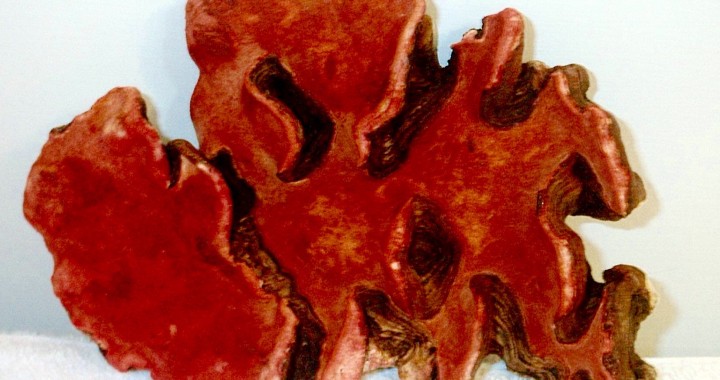
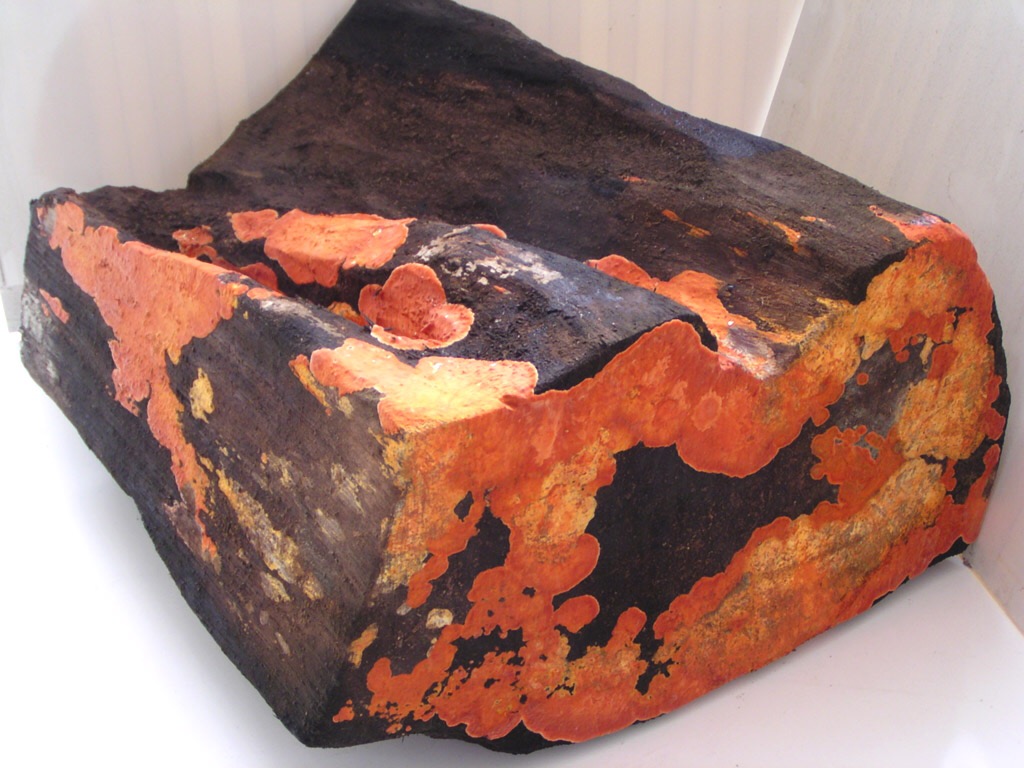
Fungo poderoso: cogumelo chinês contém um arsenal de remédios

O fungo Antrodia camphorata é um velho conhecido da medicina chinesa, que o receita para várias doenças. A ciência tem desvendado, pouco-a-pouco, o arsenal de substâncias químicas que estão nestes cogumelos e como elas agem em nosso organismo.
Vários trabalhos indicam que o fungo contém grande quantidade de algus sesquiterpenos, esteroides e triterpenoides, a maioria com ação fisiológica. Algumas destas substâncias tem demonstrado eficácia como anti-inflamatório, hepatologias e no tratamento de alguns tipos de câncer.

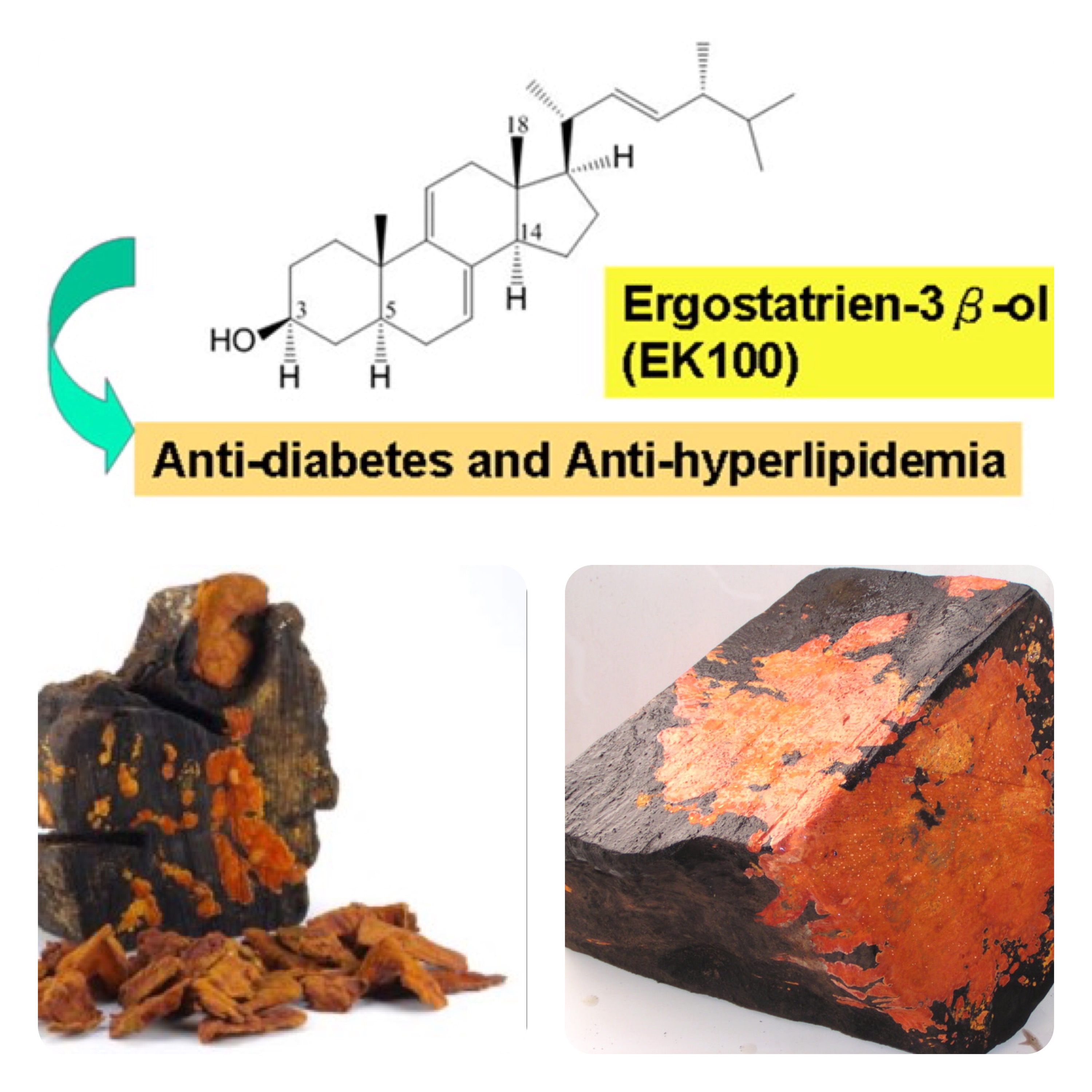
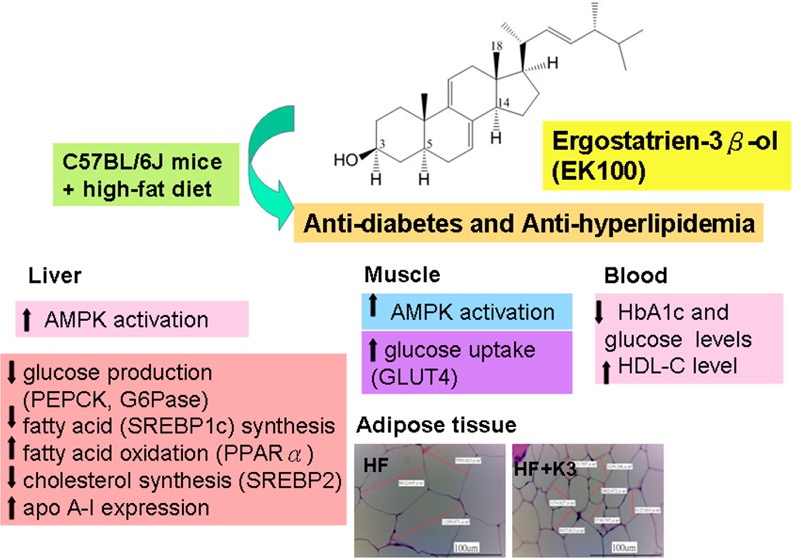
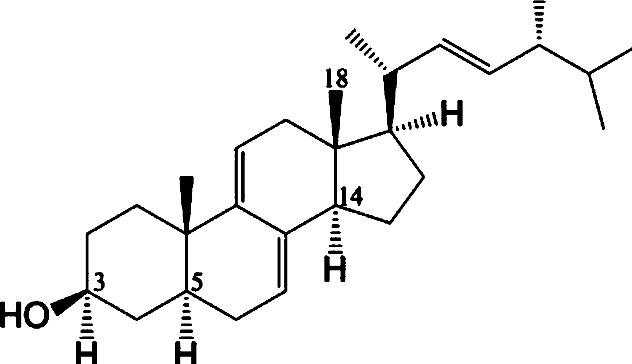
Agora, trabalho inédito descobriu como o ergostatrien-3β-ol inibe a diabetes. Ainda, esta substância impede o acúmulo de lipideos em células hepáticas durante dietas ricas em gordura; a hiperlipidemia é comum em diabéticos que seguem dietas cetogênicas (pobre em carbohidratos e ricas em gordura).

Os testes feito em ratos mostran resultados satisfatórios: as lesões hepáticas foram muito menores e o grau de diabetes diminuiu naqueles que usavam o ergostatrien-3β-ol.
Veja artigo completo em:

Canal Fala Química
Link:

segunda-feira, 16 de fevereiro de 2015

Carnivorous mushroom reveals human immune trick: How we punch our way into cancer cells

Date: February 5, 2015

Source: PLOS

Summary:
Edible oyster mushrooms have an intriguing secret: They eat spiders and roundworms. And they do so using proteins that can punch their way into cells, leaving tidy but deadly holes. It's a trick that our immune cells also use to protect us, destroying infected cells, cancerous cells, and bacteria.
Pore-forming protein pleurotolysin punches its way though a cell membrane. The surface of the cell is shown by the double horizontal gray envelope across at the bottom. The pleurotolysin protein changes its shape, with the red section punching through the cell surface. This intricate machine is just one of 13 identical copies in a ring shape that self-assemble into a giant tunnel that breaches the cell membrane.
Credit: Image courtesy of PLOS

Edible oyster mushrooms have an intriguing secret: they eat spiders and roundworms. And they do so using proteins that can punch their way into cells, leaving tidy but deadly holes. It's a trick that our immune cells also use to protect us, destroying infected cells, cancerous cells, and bacteria.

Research publishing January 27th in the open access journal PLOS Biology by an international team, led by the ARC Imaging Centre at Monash University in Melbourne and Birkbeck College in London, reveals the molecular process behind the punch. Using synchrotron light and cryo-electron microscopy, they've visualised the action of a protein called pleurotolysin -- opening the way to new drug targets and new tools for medicine, agriculture, genetic engineering and nano-engineering. By taking molecular snapshots, which they've turned into a movie, the team have been able to observe the hole-punching protein as it latches onto, and puts a hole in the target cell -- either killing the cell directly or providing a passage for other proteins that can kill it.

"I never believed I'd be able to see these proteins in action," says the paper's lead author Dr Michelle Dunstone. "It's an amazing mechanism, and also amazing that we now have the technology to see these hole-punching proteins at work."

Using a combination of molecular imaging, along with biophysical and computational experiments, the team have been able to show the way the pleurotolysin protein moves, unfolding and refolding to punch the hole in the target cell. And in doing so, they've also found its Achilles heel. So now they can look at how to block the hole punching mechanism, or introduce it to new places where this function is desirable.

"The next step is to take what we've learned from the oyster mushroom proteins and compare them with equivalent proteins across nature," says Michelle. "We're particularly interested in this family of proteins in humans, especially perforin, which we believe will behave in the same way."

There are potential applications in medicine: dampening immune responses in people with autoimmune disease; stopping listeria escaping our immune cells; and preventing malaria from infecting the liver. In agriculture these proteins could be introduced into plants and crops, helping them to fight off attacks from pests, and reducing the need for pesticides.

"These results are the culmination of over seven years work by from researchers on opposite sides of the world, including thousands of hours by our first authors Natalya Lukoyanova and Stephanie Kondos," says Michelle.

"We still have a lot of work to do before our ideas reach the clinic or industry but seeing how the machinery works is an important step forward," says Birkbeck College's Professor Helen Saibil, co-lead author on the paper.

Story Source:

The above story is based on materials provided by PLOS. Note: Materials may be edited for content and length.

Journal Reference:
Natalya Lukoyanova, Stephanie C. Kondos, Irene Farabella, Ruby H. P. Law, Cyril F. Reboul, Tom T. Caradoc-Davies, Bradley A. Spicer, Oded Kleifeld, Daouda A. K. Traore, Susan M. Ekkel, Ilia Voskoboinik, Joseph A. Trapani, Tamas Hatfaludi, Katherine Oliver, Eileen M. Hotze, Rodney K. Tweten, James C. Whisstock, Maya Topf, Helen R. Saibil, Michelle A. Dunstone. Conformational Changes during Pore Formation by the Perforin-Related Protein Pleurotolysin. PLOS Biology, 2015; 13 (2): e1002049 DOI: 10.1371/journal.pbio.1002049

Cite This Page:

PLOS. "Carnivorous mushroom reveals human immune trick: How we punch our way into cancer cells." ScienceDaily. ScienceDaily, 5 February 2015. <www.sciencedaily.com/releases/2015/02/150205142913.htm>.

segunda-feira, 3 de novembro de 2014

Mushroom extract, AHCC, helpful in treating HPV

Date: October 28, 2014


Source: University of Texas Health Science Center at Houston

Summary:
A Japanese mushroom extract appears to be effective for the eradication of human papillomavirus (HPV), according to a pilot clinical trial. Ten HPV-positive women were treated orally with the extract, AHCC (active hexose correlated compound) once daily for up to six months. Five achieved a negative HPV test result -- three with confirmed eradication after stopping AHCC -- with the remaining two responders continuing on the study.
Judith A. Smith, Pharm.D.
Credit: Image courtesy of University of Texas Health Science Center at Houston

A Japanese mushroom extract appears to be effective for the eradication of human papillomavirus (HPV), according to a pilot clinical trial at The University of Texas Health Science Center at Houston (UTHealth) Medical School.

The results were presented at the 11th International Conference of the Society for Integrative Oncology in Houston today by principal investigator Judith A. Smith, Pharm.D., associate professor in the Department of Obstetrics, Gynecology and Reproductive Sciences at the UTHealth Medical School.

Ten HPV-positive women were treated orally with the extract, AHCC (active hexose correlated compound) once daily for up to six months. Five achieved a negative HPV test result -- three with confirmed eradication after stopping AHCC -- with the remaining two responders continuing on the study.

Currently, there is no effective medicine or supplement to treat HPV, which is associated with more than 99 percent of cervical cancer cases. According to the Centers for Disease Control and Prevention, several other cancers are related to HPV, including 95 percent of anal cancer, 60 percent of oropharyngeal, 65 percent of vaginal cancer, 50 percent of vulvar cancer and 35 percent of penile cancer.

AHCC is a readily available nutritional supplement that works to improve the innate immune system. Human and preclinical studies have shown that AHCC increases the number and/or activity of Natural Killer (NK) cells, dendritic cells and cytokines, which help the body fight off infections and block tumor growth.

"The results are very encouraging," Smith said. "We were able to determine that at least three months of treatment is necessary but some need to extend that to six months. Since AHCC is a nutritional supplement with no side effects and other immune modulating benefits, we will be planning on using six months of treatment in our phase II clinical study to have consistent study treatment plan. This confirms our earlier preclinical research."

Smith is director of UTHealth's Women's Health Integrative Medicine Research Team, which focuses on the safe and effective use of nutritional and herbal supplements with pharmacologic modalities as it relates to women's health and cancer.

This research is proceeding to a randomized, double-blind, placebo-controlled Phase II clinical trial which has just begun at UTHealth, Smith said. For more information on enrolling in the trial, go to http://go.uth.edu/judithresearch.

Story Source:

The above story is based on materials provided by University of Texas Health Science Center at Houston. The original article was written by Deborah Mann Lake.Note: Materials may be edited for content and length.

Cite This Page:

University of Texas Health Science Center at Houston. "Mushroom extract, AHCC, helpful in treating HPV." ScienceDaily. ScienceDaily, 28 October 2014. <www.sciencedaily.com/releases/2014/10/141028122424.htm>.

domingo, 2 de novembro de 2014

'Himalayan Viagra' fuels caterpillar fungus gold rush

Date: October 30, 2014

Source: Washington University in St. Louis

Summary:
Overwhelmed by speculators trying to cash-in on a prized medicinal fungus known as Himalayan Viagra, two isolated Tibetan communities have managed to do at the local level what world leaders often fail to do on a global scale -- implement a successful system for the sustainable harvest of a precious natural resource, suggests new research.
Cleaning yartsa gunbu prior to sale.
Credit: Image courtesy of Washington University in St. Louis

Overwhelmed by speculators trying to cash-in on a prized medicinal fungus known as Himalayan Viagra, two isolated Tibetan communities have managed to do at the local level what world leaders often fail to do on a global scale -- implement a successful system for the sustainable harvest of a precious natural resource, suggests new research from Washington University in St. Louis.

"There's this mistaken notion that indigenous people are incapable of solving complicated problems on their own, but these communities show that people can be incredibly resourceful when it's necessary to preserve their livelihoods," said study co-author Geoff Childs, PhD, associate professor of anthropology in Arts & Sciences.

Writing in the current issue​ of the journal Himalaya, Childs and Washington University anthropology graduate student Namgyal Choedup describe an innovative community resource management plan that some conservative capitalists might view as their worst regulatory nightmare.

In one remote village, for weeks in advance of the community-regulated harvest season, all able-bodied residents are required to show their faces at a mandatory roll call held four-times daily to ensure that no one is sneaking off into the nearby pastures to illegally harvest the precious fungus.

While regulations such as these might seem overly authoritarian, they've been welcomed by community residents desperate to get a grip on chaos associated with feverish demand for yartsa gunbu, a naturally-occurring "caterpillar fungus" prized in China for reported medical benefits. Use of the fungus as an aphrodisiac has earned it the nickname Himalayan Viagra.

Yartsa gunbu (literally 'summer grass, winter worm'; Ophiocordyceps sinensis) results from a fungal infection that invades the bodies of ground-burrowing ghost moth caterpillars. In early spring, pinky-sized spores of the fungus emerge from the caterpillars' mummified bodies and pop up in remote grassland pastures across the Tibetan Plateau.

Located high in the Himalayan foothills along Nepal's northern Gorkha District border with China's Tibet Autonomous Region (TAR), the tiny rural communities of Nubri and Tsum have been ignored by economic developers for decades -- schools, roads and medical facilities are few and far between. Residents have long had little access to cash, with most scraping by on meager incomes from farming, grazing, timber sales and odd jobs.

With yartsa gunbu fetching more per ounce than gold in some Chinese markets, many villagers now reap as much as 80 percent of their annual income during the caterpillar fungus spring harvest season.

Although local incomes are still modest by Western standards, residents have seen average annual incomes rise from an average of a few hundred dollars to upwards of $4,000. But along with these riches has come serious concerns about the impact of money and outsiders on local traditions and the fragile alpine environment in which yartsa gunbu thrives.

Recent news coverage has focused on community tensions and infighting over harvesting practices, the flood of outsiders seeking to take part in the harvest and allegations of graft and bribery among community leaders.

In June 2014, a clash with police left two dead in a dispute between members of the local community and a National Park Buffer Zone Management Committee over who has the right to collect and keep fees paid by outsiders for access to yartsa gunbu grounds. Two more people died in a 2013 fight between Tibetan groups near Rebgong, China.

Meanwhile, outside experts warn that over-harvest of the fungus could cause irreparable damage to fragile high-mountain pastures, with some suggesting yartsa gunbu production already had declined by 40 percent.

Despite dire predictions, research by Childs and Choedup suggests that local communities are rising to the challenge. Their study documents how the residents of Tsum and Nubri have built on existing religious and cultural traditions to devise incredibly cooperative and creative systems to self-manage and regulate the community's annual fungus harvest.

The communities' harvest protocols, they argue, represent an indigenous form of regulatory management, one that may prove sustainable and equitable over the long-term.

Grounded in the resident's traditional rights to use surrounding pasturelands for grazing and other purposes, the yartsa gunbu management plans strive to manage the resource wisely while affording all residents a fair chance to share in the bounty.

Key components of the plans include:
Restricting yartsa gunbu harvest to members of local households regardless of where they currently reside.
Sizeable penalties for those caught harvesting outside of the community-enforced season; preseason roll calls require able-bodied residents to check in at local meeting house four times daily (7 a.m., 10 a.m., 2 p.m. and 6 p.m.)
Requiring harvesters to register with their local villages and pay a small tax to finance projects that support the harvest.
Prohibiting yartsa gunbu harvest on mountain slopes long considered sacred, thus establishing conservation sanctuaries that will help preserve fungus breeding populations.

Childs and Choedup's research documents a rise in social concerns associated with the sudden rise in incomes, but also finds many positive impacts on the lives of local residents.

The harvest provides an opportunity for people to improve their standard of living, start business ventures, enhance religious life, provide better education for children, and mitigate the economic burden associated with deaths in the family -- improvements that have been made without the help of state-sponsored development initiatives, they argue.

"In the case of Nubri and Tsum, management practices that were devised independent of state interference may prove to be sustainable over the long-run," Childs said. "Although many observers have called for more government intervention in the harvesting and sale of yartsa gunbu, our research demonstrates that, at least in some communities, it is better to allow locals to manage the resource and reap t​he benefits on their own terms."

Story Source:

The above story is based on materials provided by Washington University in St. Louis. The original article was written by Gerry Everding. Note: Materials may be edited for content and length.

Journal Reference:
Geoff Childs, Namgyal Choedup. Indigenous Management Strategies and Socioeconomic Impacts of Yartsa Gunbu (Ophiocordyceps sinensis) Harvesting in Nubri and Tsum, Nepal. Himalaya, the Journal of the Association for Nepal and Himalayan Studies, Vol. 34: No. 1, Article 7 [link]

Cite This Page:

Washington University in St. Louis. "'Himalayan Viagra' fuels caterpillar fungus gold rush." ScienceDaily. ScienceDaily, 30 October 2014. <www.sciencedaily.com/releases/2014/10/141030165059.htm>.