Mostrando postagens com marcador Tratamento natural. Mostrar todas as postagens

quarta-feira, 26 de setembro de 2018

A naturally occurring antibiotic active against drug-resistant tuberculosis

Date: September 20, 2018 Source: Penn State Summary: Researchers have discovered that a naturally occurring antibiotic called kanglemycin A is effective against Mycobacterium tuberculosis, the bacteria that cause tuberculosis, even in drug-resistant strains.

A naturally occurring antibiotic called kanglemycin A is effective against Mycobacterium tuberculosis, the bacteria that cause tuberculosis, even in drug-resistant strains, according to an international team of researchers who used chemistry, molecular biology, microbiology, and X-ray crystallography to show how the compound maintains its activity. A paper describing the research appears September 20, 2018 in the journal Molecular Cell.

The compound, kanglemycin A, is related to the antibiotic rifampicin, according to Katsuhiko Murakami, professor of biochemistry and molecular biology at Penn State and one of leaders of the project. "Rifampicin is already part of the cocktail of antibiotics used to treat tuberculosis, but many strains of the tuberculosis-causing bacteria have developed resistance to it," Murakami said.

"Tuberculosis is the leading cause of death by infectious disease worldwide," said Murakami. "Development of rifampicin resistance in M. tuberculosis has made treatment of this disease very difficult since it extends treatment time of tuberculosis from 6 months to 2 years. Identifying new compounds that are effective against the rifampicin-resistant bacteria is incredibly important for public health."

The researchers screened a library of naturally occurring compounds from U.K. biotech company Demuris Ltd. for their ability to inhibit bacterial cell growth or prevent the production of RNA -- an essential process in all living organisms -- in bacteria. They discovered that a compound named kanglemycin A was effective at inhibiting RNA production even in rifampicin-resistant bacteria.

"Kanglemycin A is related to rifampicin, an antibiotic that functions by binding to bacterial RNA polymerase, the enzyme responsible for RNA production, and preventing it from making more RNA," said Murakami. "Understanding how kanglemycin A manages to maintain its affinity to rifampicin-resistant RNA polymerase and stay active against the drug-resistant bacteria will help to accelerate its approval for use in patients with tuberculosis."

To determine the mechanism of kanglemycin A action against rifampicin-resistant RNA polymerase, the Murakami group used X-ray crystallography to determine the three-dimensional structure of the complex of kanglemycin A bound to bacterial RNA polymerase. It was known that rifampicin binds to a groove in the RNA polymerase molecule and that mutations that change the amino-acid sequence of the RNA polymerase can prevent this binding, while maintaining the ability to produce RNA. Kanglemycin A binds to the same groove, but its structure revealed extensions that also bind just outside the groove allowing it to inhibit activity of rifampicin-resistant RNA polymerase.

"The X-ray structure actually revealed that kanglemycin A has two modifications that improve its function compared to rifampicin," said Murakami. "First, one of modifications allows it to bind just outside of the rifampicin binding pocket increasing the strength of its affinity to the RNA polymerase in rifampicin-resistant bacteria. Second, another modification actually allows kanglemycin A to stop the synthesis of RNA even earlier than rifampicin."

"It is a really exciting finding," said Nikolay Zenkin, professor of molecular biology at Newcastle University in the U.K. and one of leaders of the project. "The previously unknown interactions of the unique chemical groups of kanglemycin A with RNA polymerase will direct the development of antibiotics against rifampicin-resistant M. tuberculosis. Approximately one third of the world's population is already infected with M. tuberculosis, and 600,000 people every year are diagnosed with rifampicin-resistant tuberculosis. Our work is the first step in developing a new drug for the treatment of these patients."

The research was led by Zenkin and Murakami, working closely with Newcastle University spin out company, Demuris Ltd, which will be taking on the commercialization of the new compounds. In addition, the research team included Vadim Molodtsov and Yeonoh Shin at Penn State; Hamed Mosaei, Bernhard Kepplinger, John Harbottle, Lucia Ceccaroni, Stephanie Morton-Laing, Corinne Wills, William Clegg, Yulia Yuzenkova, and Michael John Hall at Newcastle University in the United Kingdom; Christopher William Moon, Rose Elizabeth Jeeves, and Joanna Bacon in the TB Research Group of the U.K. National Infection Service; Emma Claire Louise Marrs and John David Perry at Freeman Hospital in Newcastle upon Tyne, U.K.; and Nicholas Allenby and Jeff Errington at Demuris Limited, Newcastle upon Tyne, U.K.

The research was supported by the Wellcome Trust, the Leverhulme Trust, Innovate U.K., a Royal Society University Research Fellowship, the U.S. National Institutes of Health, The U.K. Department of Health, and the PHE Pipeline Fund.

Story Source:

Materials provided by Penn State. Note: Content may be edited for style and length.

Journal Reference:
Hamed Mosaei, Vadim Molodtsov, Bernhard Kepplinger, John Harbottle, Christopher William Moon, Rose Elizabeth Jeeves, Lucia Ceccaroni, Yeonoh Shin, Stephanie Morton-Laing, Emma Claire Louise Marrs, Corinne Wills, William Clegg, Yulia Yuzenkova, John David Perry, Joanna Bacon, Jeff Errington, Nicholas Edward Ellis Allenby, Michael John Hall, Katsuhiko S. Murakami, Nikolay Zenkin. Mode of Action of Kanglemycin A, an Ansamycin Natural Product that Is Active against Rifampicin-Resistant Mycobacterium tuberculosis. Molecular Cell, 2018; DOI: 10.1016/j.molcel.2018.08.028

Cite This Page:
Penn State. "A naturally occurring antibiotic active against drug-resistant tuberculosis." ScienceDaily. ScienceDaily, 20 September 2018. <www.sciencedaily.com/releases/2018/09/180920160859.htm>.

quarta-feira, 22 de agosto de 2018

Using mushrooms as a prebiotic may help improve glucose regulation

Date: August 16, 2018 Source: Penn State Summary: Eating white button mushrooms can create subtle shifts in the microbial community in the gut, which could improve the regulation of glucose in the liver, according to a team of researchers. They also suggest that better understanding this connection between mushrooms and gut microbes in mice could one day pave the way for new diabetes treatments and prevention strategies for people.

Eating white button mushrooms can create subtle shifts in the microbial community in the gut, which could improve the regulation of glucose in the liver, according to a team of researchers. They also suggest that better understanding this connection between mushrooms and gut microbes in mice could one day pave the way for new diabetes treatments and prevention strategies for people.

In the study, the researchers showed that feeding white button mushrooms to mice changed the composition of gut microbes -- microbiota -- to produce more short chain fatty acids, specifically propionate from succinate, according to Margherita T. Cantorna, Distinguished Professor of Molecular Immunology in Penn State's College of Agricultural Sciences. Previous research has shown that succinate and propionate can change the expression of genes needed to manage glucose production, she said.

"Managing glucose better has implications for diabetes, as well as other metabolic diseases," said Cantorna.

Normally glucose is provided from the food people eat. Insulin moves glucose out of the blood and into the cells. Diabetes occurs when either there is not enough insulin or the insulin that is made is not effective, resulting in high blood glucose levels.

Diabetes and pre-diabetes contribute to severe life threatening diseases including heart disease and stroke. According to the Centers for Disease Control, 100 million Americans have diabetes or pre-diabetes in 2017.

The researchers, who reported their findings in a recent issue of the Journal of Functional Foods, available online now, used two types of mice in the study. One group

of mice had microbiota, the other group did not have microbiota and were germ-free mice.

"You can compare the mice with the microbiota with the germ-free mice to get an idea of the contributions of the microbiota," said Cantorna. "There were big differences in the kinds of metabolites we found in the gastrointestinal tract, as well as in the liver and serum, of the animals fed mushrooms that had microbiota than the ones that didn't."

The researchers fed the mice about a daily serving size of the mushrooms. For humans, a daily serving size would be about 3 ounces.

According to the researchers, consuming the mushrooms can set off a chain reaction among the gut bacteria, expanding the population of Prevotella, a bacteria that produces propionate and succinate, said Cantorna. These acids can change the expression of genes that are key to the pathway between the brain and the gut that helps manage the production of glucose, or gluconeogenesis.

According to the researchers, the mushrooms, in this case, serve as a prebiotic, which is a substance that feeds beneficial bacteria that are already existing in the gut. Probiotics are live beneficial bacteria that are introduced into the digestive system.

Beyond the possible beneficial benefits of mushrooms as a prebiotic, Cantorna said that this study also shows more evidence that there is a tight connection between diet and microbiota.

"It's pretty clear that almost any change you make to the diet, changes the microbiota," said Cantorna.

Cantorna said that the study was done with lean mice, but they are interested in what the reaction would be in obese mice. Eventually, the team would like to see how this works in obese mice and, eventually, in humans, she added.

Story Source:

Materials provided by Penn State. Note: Content may be edited for style and length.

Journal Reference:
Yuan Tian, Robert G. Nichols, Pratiti Roy, Wei Gui, Philip B. Smith, Jingtao Zhang, Yangding Lin, Veronika Weaver, Jingwei Cai, Andrew D. Patterson, Margherita T. Cantorna. Prebiotic effects of white button mushroom ( Agaricus bisporus ) feeding on succinate and intestinal gluconeogenesis in C57BL/6 mice. Journal of Functional Foods, 2018; 45: 223 DOI: 10.1016/j.jff.2018.04.008

Cite This Page:
Penn State. "Using mushrooms as a prebiotic may help improve glucose regulation." ScienceDaily. ScienceDaily, 16 August 2018. <www.sciencedaily.com/releases/2018/08/180816105524.htm>.

terça-feira, 28 de março de 2017

Pesquisa confirma ação farmacológica da própolis orgânica brasileira

09/03/2017

Própolis produzida no Sul tem substâncias com ação anti-inflamatória, antioxidante, antibacteriana e até anticancerígena
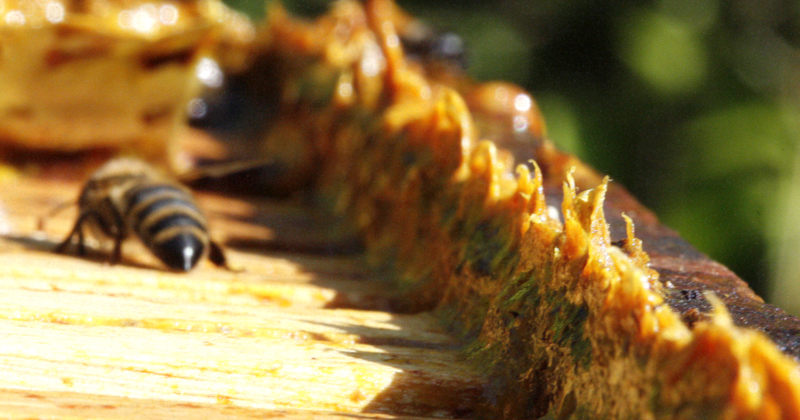
As 78 amostras de própolis utilizadas na pesquisa foram coletadas em apiários no sul do Paraná e norte de Santa Catarina – Foto: Wikimedia Commons

Além do seu sabor suave e alto valor comercial, a própolis orgânica produzida no sul do País possui propriedades químicas com potencial farmacológico para várias doenças. As substâncias agem como anti-inflamatório, antioxidante, antibacteriano e até como anticancerígeno. Estas foram as conclusões de um estudo de pesquisadores da Escola Superior de Agricultura Luiz de Queiroz (Esalq) da USP em Piracicaba, feito em apiários no sul do Paraná e norte de Santa Catarina.

A qualidade da própolis produzida pelas abelhas varia de acordo com a origem botânica. No Brasil, já foram classificadas pelo menos 13 variantes. Para serem consideradas orgânicas, as flores, brotos e cascas de onde são coletadas as substâncias devem respeitar a ordem natural de produção, sem adição de agrotóxicos ou pesticidas. As 78 amostras utilizadas na pesquisa foram obtidas em áreas de preservação permanente e zonas de reflorestamento, o que garantiu que a própolis estivesse livre de agentes poluidores, de pesticidas, fertilizantes e metais pesados, conforme avaliação de certificadoras nacionais e internacionais.
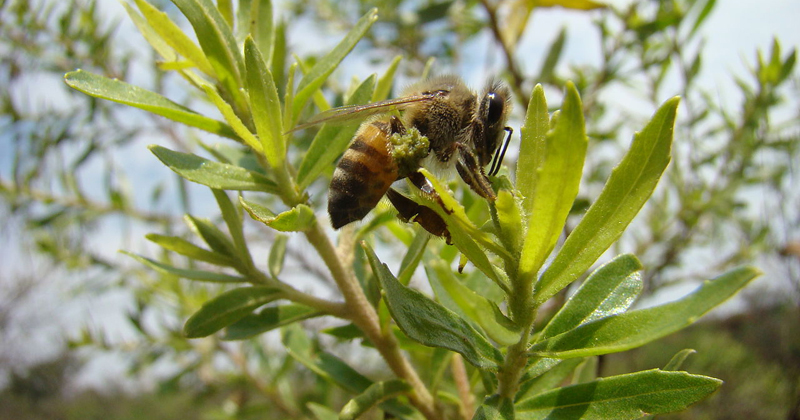
Abelha operária (Apis mellifera) coletando própolis verde de alecrim-do-campo (Baccharis dracunculifolia) – Foto: Michel Stórquio Belmiro via Wikimedia Commons

Em laboratório, as amostras foram agrupadas em sete perfis químicos. Segundo o engenheiro agrônomo Severino Matias Alencar, professor associado da Esalq e orientador de Ana Paula Tiveron, que coordenou a pesquisa, todas as variantes apresentaram “alto poder sequestrante contra espécies reativas de oxigênio” — substâncias químicas que, quando presentes em excesso no organismo, causam diversos problemas às células humanas, resultando no desenvolvimento de várias doenças como as neurodegenerativas, cânceres, anemia, isquemia, além de oxidação da LDL (o mau colesterol ).

A pesquisa demonstrou também a eficácia da própolis como anti-inflamatória e antibacteriana. O composto apresentou ação contra diversos tipos de micro-organismos: o Streptococcus mutans e S. sobrinus — agentes associados ao desenvolvimento da cárie; o Streptococcus oralis — que induz ao surgimento da placa bacteriana e à endocardite (doença infecciosa do coração); o S. aureus — que pode causar acne, furúnculos, celulite e doenças graves como meningite e pneumonias; e o Pseudomonas aeruginosa — patogênico oportunista associado às infecções hospitalares.
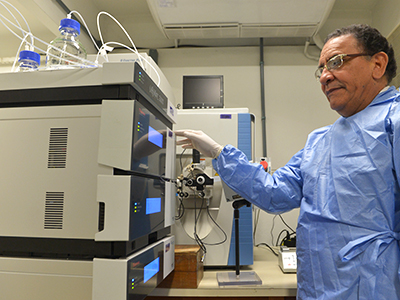
Severino Alencar, orientador da pesquisa. A novidade deste trabalho foi encontrar propriedades farmacológicas importantes também na própolis orgânica brasileira – Foto: Gerhard Waller/Esalq

De acordo com Alencar, diferentemente da própolis europeia, rica em flavonoides, a própolis brasileira é caracterizada pela presença de derivados de ácido cinâmico prenilado, que possui atividade sequestrante de radicais livres e significativa ação anti-inflamatória e antimicrobiana. A novidade deste trabalho foi encontrar propriedades farmacológicas importantes na própolis orgânica brasileira, que não só se destaca pela suavidade mas também por seu alto valor econômico.

Exportação

O Brasil é o segundo maior produtor mundial de própolis, exportando anualmente cerca de 160 toneladas, perdendo apenas para a China. O consumo de produtos orgânicos, além de fazer bem à saúde, incentiva produtores rurais a manterem boas práticas agrícolas para preservação ambiental, utilizando de forma responsável o solo, a água, o ar e demais recursos naturais.
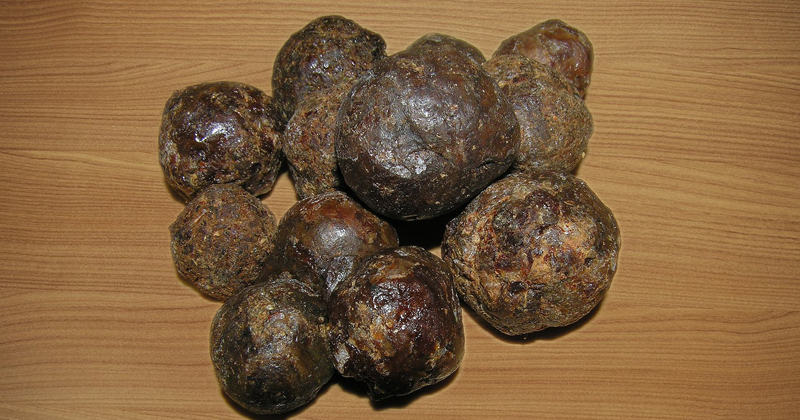
Pesquisa investigou a eficácia anti-inflamatória e antibacteriana da própolis – Foto: Epukas via Wikimedia Commons

“O estudo também traz outros benefícios, como a garantia de patentes brasileiras com a geração de conhecimento em instituições nacionais”, lembra o engenheiro agrônomo. Há uma estimativa de que 44% das patentes mundiais com própolis tenham sido depositadas pelos japoneses, que importam cerca de 80% da própolis brasileira para consumo interno. Embora o Brasil seja um dos maiores produtores, possui um reduzido número de patentes concedidas em relação aos trabalhos publicados. A pesquisa feita na Esalq foi desenvolvida em parceria com pesquisadores da Universidade Estadual de Campinas (Unicamp) e da Universidade Federal de Alfenas (Unifal), MG.

Em novembro de 2016, o assunto Os benefícios farmacológicos da própolis orgânica produzida no sul do Brasil foi tema de um artigo publicado em revista científica internacional, a Plos One, da Public Library of Science, EUA. Assinaram o texto Ana Paula Tiveron, Severino Matias de Alencar e outros pesquisadores. Chemical Characterization and Antioxidant, antimicrobial, and anti-inflammatory activities of South Brasilian Organis Propolis.

Mais informações: e-mail smalencar@usp.br, com Severino Matias Alencar

Link:
http://jornal.usp.br/ciencias/ciencias-agrarias/pesquisa-confirma-propriedades-farmacologicas-da-propolis-organica-brasileira/

sábado, 4 de março de 2017

Enzima ajuda bactérias a se defenderem de oxidantes gerados pelo sistema imune

03 de fevereiro de 2017

Karina Toledo | Agência FAPESP – Uma pesquisa apoiada pela FAPESP e conduzida na Universidade de São Paulo (USP) em colaboração com outras instituições de pesquisa nacionais e internacionais, revelou novos aspectos relacionados ao mecanismo de ação da enzima Ohr (proteína de resistência a hidroperóxidos orgânicos, na sigla em inglês), que confere a diversas espécies de bactérias a capacidade de neutralizar substâncias oxidantes liberadas pelo sistema de defesa do organismo hospedeiro – seja ele planta ou animal.

Os resultados foram divulgados recentemente na revista Proceedings of the National Academy of Sciences (PNAS). Segundo os autores, o conhecimento pode possibilitar novas abordagens terapêuticas.

“Não há em plantas ou em animais nenhuma proteína conhecida com estrutura semelhante à da Ohr. Isso sugere que é possível inibir essa enzima na bactéria sem causar grandes prejuízos ao organismo infectado e, por isso, ela se torna um alvo interessante para o desenvolvimento de fármacos”, afirmou o professor do Instituto de Biociências (IB-USP) Luis Eduardo Soares Netto, coordenador do estudo.

O pesquisador ressaltou, no entanto, que ainda faltam dados que relacionem a presença da Ohr com a virulência dos patógenos.

Diversos experimentos foram feitos pela equipe de Netto para entender como a Ohr participa da defesa antioxidante de bactérias, muitas delas patogênicas. Parte da investigação foi conduzida durante o mestrado de Thiago Alegria, o doutorado de José Renato Cussiol e o pós-doutorado de Diogo Meireles – todos bolsistas da FAPESP. Os projetos estão vinculados ao Centro de Pesquisa em Processos Redox em Biomedicina (Redoxoma), um dos Centros de Pesquisa, Inovação e Difusão (CEPIDs) apoiados pela Fundação.

“Quando começamos a pesquisa, já sabíamos que a Ohr tinha função antioxidante, mas não eram conhecidos os substratos fisiológicos dessa enzima. Nós mostramos neste estudo que ela neutraliza preferencialmente peróxidos – particularmente os hidroperóxidos de ácidos graxos de cadeia longa – e o peroxinitrito”, contou Netto.

Para chegar a essa conclusão, os pesquisadores fizeram inicialmente os chamados testes de ancoragem molecular (docking). Por simulação computacional foi possível ver o encaixe dos possíveis substratos ao sítio ativo da enzima. Essas análises mostraram grande complementariedade estrutural entre a Ohr e diferentes tipos de hidroperóxidos de ácidos graxos, como os derivados do ácido araquidônico e do ácido linoleico, substâncias que atuam como mediadores de processos inflamatórios em mamíferos e em plantas, respectivamente.

Para validar esse primeiro achado, foram feitos ensaios bioquímicos in vitro com a proteína Ohr produzida pela Xylella fastidiosa – bactéria causadora da doença clorose variegada dos citros (CVC) ou “amarelinho”, que ataca os citros. Conforme explicou Netto, o trabalho é um desdobramento do projeto realizado nos anos 1990, com apoio da FAPESP, para sequenciar o genoma da X. fastidiosa.

Nos testes in vitro, os cientistas incubaram a Ohr purificada com diversos tipos de hidroperóxidos. O objetivo foi medir o tempo necessário para a enzima transformar cada um desses oxidantes em substâncias menos tóxicas.

“Observamos, por exemplo, que ela consegue neutralizar o peróxido de hidrogênio [água oxigenada], mas o processo é 100 mil vezes mais lento do que no caso do hidroperóxido de ácido araquidônico”, contou Netto.

Segundo o pesquisador, a reação química ocorreu na escala de milissegundos quando a enzima foi incubada com os hidroperóxidos de ácidos graxos. Já com outros tipos de hidroperóxidos o processo ocorreu na escala de minutos.

Uma surpresa para o grupo nessa etapa foi observar que, em contato com o peroxinitrito, a enzima agia com a mesma eficiência observada com os hidroperóxidos de ácido araquidônico e o ácido linoleico – algo não previsto nas simulações computacionais.

“O peroxinitrito é um produto formado por dois outros radicais: o superóxido e o óxido nítrico. É liberado tanto por plantas quanto mamíferos em resposta à infecção por patógenos”, explicou o pesquisador.

Inibição do crescimento

O passo seguinte foi a realização de ensaios microbiológicos e, para isso, o grupo do IB-USP usou linhagens de bactérias da espécie Pseudomonas aeruginosa, que em humanos costuma causar infecções oportunistas, por exemplo, no sistema respiratório.

“Comparamos um grupo de bactérias mutantes, que tiveram o gene da Ohr deletado, com bactérias selvagens [capazes de produzir a enzima]. Os dois grupos foram colocados em diferentes concentrações de hidroperóxidos para testar sua resistência”, contou Netto.

Enquanto as bactérias selvagens conseguiam crescer mesmo em altas concentrações de hidroperóxidos, as linhagens mutantes paravam de se multiplicar mesmo nas doses mais baixas. Porém, quando o gene da Ohr foi inserido novamente na linhagem mutante, essas bactérias voltaram a mostrar resistência aos oxidantes em nível comparável ao das células selvagens.

Conforme explicou Netto, ao longo do processo evolutivo, as bactérias desenvolveram um grande repertório de proteínas antioxidantes para lidar com as defesas dos organismos hospedeiros – entre elas destacam-se as enzimas peroxirredoxinas e catalases.

Os testes feitos na USP mostraram que outras bactérias mutantes, com a deleção dessas outras enzimas antioxidantes, não apresentaram a mesma sensibilidade aos hidroperóxidos de ácidos graxos e ao peroxinitrito que a observada na linhagem mutante sem Ohr. Na avaliação de Netto, esse dado sugere que a Ohr tem papel central na defesa antioxidante bacteriana.

Peroxirredoxina

Em outro trabalho, publicado na revista Scientific Reports, o grupo de Netto em colaboração com o grupo do professor Marcos Antonio de Oliveira, da Universidade Estadual Paulista (Unesp), Campus Experimental do Litoral Paulista, estudou outra enzima antioxidante: a peroxirredoxina.

Essas proteínas são capazes de neutralizar muito rapidamente o peróxido de hidrogênio. Por serem muito abundantes e reativas, disse Netto, são consideradas os sensores celulares de peróxido de hidrogênio.

“Nos últimos anos, o peróxido de hidrogênio tem deixado de ser visto apenas como um vilão, que serve para oxidar proteínas, DNA e causar dano celular. Estudos recentes têm mostrado que ele também atua como agente sinalizador e, para isso, precisa haver interação com peroxirredoxinas”, contou o pesquisador.

Como explicou Netto, alguns tipos de câncer e de doenças neurodegenerativas podem estar ligados a falhas nessa sinalização mediada pelo peróxido de hidrogênio. “As peroxirredoxinas, ao modular o nível de peróxido nas células, atuam indiretamente na manutenção da homeostase celular redox, cuja desregulação está envolvida em diversas doenças de caráter genético ou infeccioso”, explicou.

Esse estudo fez parte da tese de doutorado de Carlos Abrunhosa Tairum Junior, na Unesp, com apoio da FAPESP.

No trabalho publicado na Scientific Reports, os pesquisadores mostraram o papel catalítico-estrutural de aminoácidos Treonina/Serina, que são completamente conservados em todas as peroxirredoxinas. “Esses aminoácidos modulam grandes alterações estruturais em peroxirredoxinas, com repercussões na atividade catalítica”, disse Netto.

O artigo “Catalytic Thr or Ser Residue Modulates Structural Switches in 2-Cys Peroxiredoxin by Distinct Mechanisms” pode ser lido em: http://www.nature.com/articles/srep33133.

Já o artigo “Ohr plays a central role in bacterial responses against fatty acid hydroperoxides and peroxynitrite” pode ser acessado pelo endereço: http://www.pnas.org/content/114/2/E132
Em pesquisa publicada na PNAS, pesquisadores do Cepid Redoxoma identificaram substratos biológicos da enzima bacteriana Ohr, um potencial alvo para o desenvolvimento de novos fármacos (Figura: Docking molecular de hidroperóxidos de cadeia longa no sítio ativo da Ohr/Thiago G. P. Alegria, et al.)

Link:

terça-feira, 7 de fevereiro de 2017

Estudantes desenvolvem soro para eliminar o Aedes aegypti em Itatim

Duas adolescentes, alunas do 2º ano do Ensino Médio, do Colégio Estadual Geovânia Nogueira Nunes, no município de Itatim, podem estar a poucos passos de entrar para a história da saúde pública brasileira. Cristiana Aparecida Couto e Noemy de Souza Queiroz desenvolveram experiências científicas com o eucalipto e a erva-cidreira e descobriram que o extrato dos vegetais é capaz de eliminar as larvas do mosquito Aedes aegypti, vetor de transmissão das epidemias dengue, zika e chikungunya.

"Usamos elas [as plantas] secas. Trituramos e depois são imersas no álcool e deixadas em conserva durante três dias. Após esta etapa, a próximo passo é filtrar e deixar em recipiente aberto para evaporar. Aí a substância está pronta para testes", explica Noemy.

A experiência com as ervas medicinais
em abundância na cidade localizada a 235 quilômetros de Salvador – aconteceu em ambiente escolar. A iniciativa surgiu a partir do surto de zika que afetou Itatim em 2015 e fez parte do projeto ‘Toxicidade de plantas medicinais em larvas do mosquito Aedes aegypti’, desenvolvido no âmbito do Programa Ciência na Escola, da Secretaria da Educação do Estado. "A gente passou a enxergar o estudo de uma maneira diferente. Além de estar estudando ciência, você está fazendo ciência”, ressalta Cristiana.

Em 2017, as estudantes darão prosseguimento aos estudos durante o ano letivo. Esta importante inovação pode ser conferida em mais um vídeo da série Educar para Transformar, produzida pela Secretaria de Comunicação do Estado da Bahia (Secom).

Link:
http://estudantes.educacao.ba.gov.br/noticias/estudantes-desenvolvem-soro-para-eliminar-o-aedes-aegypti-em-itatim
 
Vídeo:

'Love hormone' from insects as potential drug lead for inhibiting preterm labor

Date: February 1, 2017 
 
Source: Medical University of Vienna 
 
Summary: An oxytocin-like neuropeptide ("inotocin") exhibited a specific pharmacological profile for the human receptors of oxytocin (known as the "love hormone") and vasopressin, report scientists at conclusion of their study. At the same time, the researchers were able to show that a synthetic analogue of inotocin serves as a molecular tool for the fundamental understanding of biochemical signalling processes of oxytocin and vasopressin receptors and could possibly be used as drug lead molecule to develop pharmaceuticals for inhibiting preterm labor, for example. 
 
See more at: https://www.sciencedaily.com/releases/2017/02/170201093449.htm

quarta-feira, 25 de janeiro de 2017

Natural compound could improve treatment of triple-negative breast cancer

Date: January 24, 2017

Source: University of Missouri-Columbia

Summary:
More than 100 women die from breast cancer every day in the United States. Triple-negative breast cancers, which comprise 15 to 20 percent of all breast tumors, are a particularly deadly type of breast disease that often metastasize to distant sites. Now, researchers have found that luteolin, a natural compound found in herbs such as thyme and parsley, and vegetables such as celery and broccoli, could reduce the risk of developing metastasis originating from triple-negative breast cancer in women.

More than 100 women die from breast cancer every day in the United States. Triple-negative breast cancers, which comprise 15 to 20 percent of all breast tumors, are a particularly deadly type of breast disease that often metastasize to distant sites. Now, University of Missouri researchers have found that luteolin, a natural compound found in herbs such as thyme and parsley, and vegetables such as celery and broccoli, could reduce the risk of developing metastasis originating from triple-negative breast cancer in women.

"Triple-negative breast cancers are cancer cells that lack three receptors targeted by current chemotherapy regimens. Because of this lack of receptors, common cancer drugs can't 'find' the cells, and doctors must treat the cancer with extremely aggressive and highly toxic treatment strategies," said Salman Hyder, the Zalk Endowed Professor in Tumor Angiogenesis and professor of biomedical sciences in the College of Veterinary Medicine and the Dalton Cardiovascular Research Center. "Women with this type of breast cancer also frequently develop metastatic lesions that originate from drug-resistant cells. Therefore, safer therapeutic therapies that are more effective are being sought for this deadly type of cancer in women."

Hyder and his research team have focused on luteolin, a naturally occurring, non-toxic plant compound that has been proven effective against several types of cancer. Using human triple-negative breast cancer cells grown in mice, the research team tested luteolin to determine if it could suppress metastasis. In the first series of tests, researchers found that luteolin inhibited the metastasis of triple-negative cancer in the lungs of affected mice.

"Mice exposed to human triple-negative breast cancer cells experienced significantly reduced metastastic growth in their lungs after being treated with luteolin," Hyder said. "In almost every case, the mice also saw no weight loss, which means luteolin has no toxic effects; this plant compound is both safe and effective."

Hyder further tested luteolin and its effects on subduing the migration of triple-negative breast cancer cells throughout the body. The research team tested the cells in dishes that were treated with luteolin and found that migration was inhibited by the plant compound.

"Triple-negative breast cancer cells are highly mobile in the body, which helps them metastasize to other organs throughout the body," Hyder said. "We found that luteolin inhibits that migration and also can kill cancer cells. We contend that these studies support further investigation of luteolin as an anti-metastatic agent that could be used to combat triple-negative breast cancer and its metastasis."

The early-stage results of this research are promising. If additional studies are successful within the next few years, MU officials will request authority from the federal government to begin human drug development (this is commonly referred to as the "investigative new drug" status). After this status has been granted, researchers may conduct human clinical trials with the hope of developing new treatments for triple-negative breast cancer in women.

Story Source:

Materials provided by University of Missouri-Columbia. Note: Content may be edited for style and length.

Journal Reference:
Matthew Cook, Yayun Liang, Cynthia Besch-Williford, Salman Hyder. Luteolin inhibits lung metastasis, cell migration, and viability of triple-negative breast cancer cells. Breast Cancer: Targets and Therapy, 2016; Volume 9: 9 DOI: 10.2147/BCTT.S124860

Cite This Page:
University of Missouri-Columbia. "Natural compound could improve treatment of triple-negative breast cancer." ScienceDaily. ScienceDaily, 24 January 2017. <www.sciencedaily.com/releases/2017/01/170124111511.htm>.

terça-feira, 29 de novembro de 2016

Active agent from the Caribbean sea cucumber could improve treatment for malignant pleural mesothelioma

Date: October 24, 2016

Source: Medical University of Vienna

Summary:
Researchers have discovered a new option for treating malignant pleural mesothelioma. For the first time in the world, they were able to show in a preclinical study, both in the cell culture and in the animal model, that trabectedin, a chemotherapy drug that is already successfully used for other types of cancer, is also effective against malignant pleural mesothelioma. The active agent originally occurs in the Caribbean sea cucumber, a marine-dwelling tunicate.

Researchers at the Comprehensive Cancer Center of MedUni Vienna and Vienna General Hospital have discovered a new option for treating malignant pleural mesothelioma. For the first time in the world, they were able to show in a preclinical study, both in the cell culture and in the animal model, that trabectedin, a chemotherapy drug that is already successfully used for other types of cancer, is also effective against malignant pleural mesothelioma. The active agent originally occurs in the Caribbean sea cucumber, a marine-dwelling tunicate. The study results were recently published in "Molecular Cancer Therapeutics," the therapy-oriented journal of the American Association for Cancer Research (AACR). The initial interim results of a clinical study from Italy confirm these results and show that they are transferable to clinical practice.

With around 90 new cases per year in Austria, malignant pleural mesothelioma is one of the rarer forms of cancer. However, it is on the increase. Malignant pleural mesothelioma is a very aggressive form of cancer that is associated with asbestos and is routinely treated with a combination of chemotherapy, surgery and radiotherapy. Since this particular type of tumour often develops resistance to chemotherapy and radiotherapy, the prognosis is very poor.

In order to improve the treatment options for pleural mesothelioma, an interdisciplinary research cooperative was set up at the CCC in 2008 and this has been very successful in the preclinical discovery and development of therapeutics to treat malignant pleural mesothelioma. In its latest preclinical study, the platform scientists investigated the action of trabectedin in malignant pleural mesothelioma. Trabectedin is an active substance that occurs in the Caribbean sea cucumber, can be synthetically manufactured for therapeutic purposes and has already been successfully used clinically for malignant soft tissue tumours and ovarian cancer.

Combination enhances effectiveness

The researchers led by Walter Berger, Deputy Head of MedUni Vienna's Institute for Cancer Research, and Alireza Hoda, Division of Thoracic Surgery at the Department of Surgery of MedUni Vienna/Vienna General Hospital, had already shown in previous works that trabectedin is very effective against cancer cells, while having minimal impact on healthy pleural cells. Furthermore, the researchers were able to demonstrate clear synergies with cisplatin, a standard therapeutic drug. In order to develop further potential combination therapies with trabectedin, the genome signatures of cells that were sensitive to the administration of trabectedin were compared with those of cell lines that were less sensitive. Berger: "Using bioinformatics, we were able to show that the increased formation of the protein bcl-2, which prevents cell death, reduces the effectiveness of trabectedin." Consequently, the scientists treated the malignant cells with a combination of trabectedin and the bcl-2 inhibitors obatoclax and venetoclax. Hoda: "When trabectedin is combined with these bcl-2 inhibitors, there is a significant improvement in destruction of malignant pleural mesothelioma cells. Trabectedin therefore seems to be a new, effective and safe treatment option for this disease." These preclinical results have just been confirmed by initial positive interim results from a clinical study conducted in Italy.

Berger: "The study has even been met with great interest from people affected. This is evidenced by the fact that the Comprehensive Cancer Centre publication has already been posted online and discussed in several international fora for asbestos and mesothelioma (e.g. asbestos.com).

Story Source:

Materials provided by Medical University of Vienna. Note: Content may be edited for style and length.

Journal Reference:
M. A. Hoda, C. Pirker, Y. Dong, K. Schelch, P. Heffeter, K. Kryeziu, S. van Schoonhoven, T. Klikovits, V. Laszlo, A. Rozsas, J. Ozsvar, W. Klepetko, B. Do me, M. Grusch, B. Hegedu s, W. Berger. Trabectedin Is Active against Malignant Pleural Mesothelioma Cell and Xenograft Models and Synergizes with Chemotherapy and Bcl-2 Inhibition In Vitro. Molecular Cancer Therapeutics, 2016; 15 (10): 2357 DOI: 10.1158/1535-7163.MCT-15-0846

Cite This Page:
Medical University of Vienna. "Active agent from the Caribbean sea cucumber could improve treatment for malignant pleural mesothelioma." ScienceDaily. ScienceDaily, 24 October 2016. <www.sciencedaily.com/releases/2016/10/161024090344.htm>.

quarta-feira, 14 de setembro de 2016

Snail venom holds key to better diabetes treatments

Date: September 12, 2016

Source: Walter and Eliza Hall Institute

Summary:
Researchers have successfully determined the three-dimensional structure of a cone snail venom insulin, revealing how these highly efficient natural proteins called Con-Ins G1 can operate faster than human insulin. The teams also discovered that Con-Ins G1 was able bind to human insulin receptors, signifying the potential for its translation into a human therapeutic.

See more at:

Grass pollen allergy vaccine also effective against hepatitis B

Date: September 8, 2016

Source: Medical University of Vienna

Summary:
A new type of vaccine against grass pollen allergies (BM32) might also offer an effective treatment for combating hepatitis B infection, scientists report in a new article.

A new type of vaccine against grass pollen allergies (BM32) might also offer an effective treatment for combating hepatitis B infection. This is the finding of a study conducted at MedUni Vienna's Institute for Pathophysiology and Allergy Research that has now been published in the leading journal EBioMedicine, with a commentary from international experts.

The BM32 vaccine is based on an innovative recombinant peptide-carrier technology, which -- compared with other immunotherapies for allergy sufferers -- requires far fewer injections and has fewer side-effects. Recombinant peptide-carrier technology was developed at the Christian Doppler Laboratory for Allergy Research at MedUni Vienna, under the direction of Rudolf Valenta. BM32 was developed jointly with commercial partner Biomay AG.

In a Phase IIb study conducted as part of her dissertation at the Institute for Pathophysiology and Allergy Research at MedUni Vienna, Carolin Cornelius discovered that BM32 is also a highly promising treatment option for combating hepatitis B infections. Cornelius: "We were able to show that, in people who had not previously been immunised with a conventional hepatitis B vaccine, vaccination with BM32 achieved an average inhibition of hepatitis B virus infection of 80%. According to the MedUni Vienna researcher, this suggests that the concept of peptide-carrier fusion proteins might also be a potential approach for improving hepatitis B immunisation.

Hepatitis B: up to 10% of those vaccinated conventionally do not have effective antibodies

Cornelius: "Ongoing investigations should help to produce a comprehensive characterisation of the HBV neutralisation capability of BM32. Apart from having a preventive effect, there might be additional benefits for patients suffering from chronic hepatitis B infection. Background: hepatitis B infection is still one of the most widespread health problems in the world. The virus is detectable in the blood of around 350 million people. However, around 5 to 10% of those who have been vaccinated using a conventional vaccine fail to build up an adequate antibody titer. "One can only assume that these people are not protected against infection."

Story Source:

The above post is reprinted from materials provided by Medical University of Vienna. Note: Content may be edited for style and length.

Journal Reference:
Carolin Cornelius, Katrin Schöneweis, Fanny Georgi, Milena Weber, Verena Niederberger, Petra Zieglmayer, Katarzyna Niespodziana, Michael Trauner, Harald Hofer, Stephan Urban, Rudolf Valenta. Immunotherapy With the PreS-based Grass Pollen Allergy Vaccine BM32 Induces Antibody Responses Protecting Against Hepatitis B Infection. EBioMedicine, 2016; DOI:10.1016/j.ebiom.2016.07.023

Cite This Page:
Medical University of Vienna. "Grass pollen allergy vaccine also effective against hepatitis B." ScienceDaily. ScienceDaily, 8 September 2016. <www.sciencedaily.com/releases/2016/09/160908084033.htm>.

quinta-feira, 8 de setembro de 2016

Pesquisa busca alternativa contra a leucemia

A enzima asparaginase recombinante de leveduras teve bons resultados contra células do câncer durante testes in vitro e pode ser opção com menos efeitos colaterais

Duas leveduras – incluindo a espécie Saccharomyces cerevisiae, presente nos fermentos biológicos usados na culinária – estão no foco de uma pesquisa que busca uma terapia alternativa para o tratamento das leucemias, formas de câncer que afetam algumas das células do sangue. Em laboratório, os pesquisadores recorreram a técnicas de clonagem e biologia molecular para produzir a enzima asparaginase encontrada nas leveduras S. cerevisia e em outro tipo de levedura, chamado de Picchia pastoris. Os testes in vitro mostraram que a molécula atua contra as células cancerígenas e apresenta características desejáveis para o desenvolvimento de um potencial novo medicamento. Liderado por pesquisadores do Instituto Oswaldo Cruz (IOC/Fiocruz) e da Universidade Federal do Rio de Janeiro (UFRJ), o trabalho tem colaboração de cientistas do Instituto de Tecnologia em Fármacos (Farmanguinhos) e do Instituto de Tecnologia em Imunobiológicos (Bio-Manguinhos/Fiocruz). Resultados do estudo foram publicados recentemente na revista científica ‘Protein Expression and Purification’.

Foto: Gutemberg Brito
Entre outros fatores, a análise das características físico-químicas da enzima apontou atividade nas condições do sangue

Há mais de 30 anos, a enzima asparaginase, extraída de bactérias, é utilizada no combate ao câncer, principalmente nos casos de leucemias e linfomas. Por exemplo, para os pacientes com leucemia linfocítica aguda (LLA), mais frequente nas crianças, a molécula faz parte da primeira opção de quimioterapia, aumentando significativamente a chance de cura. “O tratamento com asparaginase é muito eficaz para o controle da doença. Porém, a enzima obtida a partir de bactérias provoca uma reação forte do sistema imunológico. Alguns pacientes apresentam reações adversas graves, como hemorragia e choque anafilático, que obrigam a interrupção dessa terapia”, diz o pesquisador Jonas Perales, chefe do Laboratório de Toxinologia do IOC e um dos coordenadores do estudo.

Reduzir a dependência das importações do produto e o custo do tratamento também são objetivos do projeto. Em 2013, o laboratório norte-americano do qual o Brasil importava o medicamento a base de asparaginase parou de produzi-lo e houve desabastecimento no país. Desde então, o Ministério da Saúde assumiu a compra diretamente de outro fabricante internacional. Só no ano passado, foram gastos R$ 2 milhões no Sistema Único de Saúde (SUS) para aquisição do remédio. “O desenvolvimento de um biofármaco nacional pode baratear a terapia e aumentar a segurança sobre o abastecimento do mercado brasileiro”, ressalta a primeira autora do artigo, Luciana Girão, estudante de doutorado no Instituto de Química da UFRJ, com orientação do pesquisador do IOC Jonas Perales e da professora da UFRJ Elba Bon, além de co-orientação da pesquisadora de Farmanguinhos Maria Antonieta Ferrara, todos coautores da publicação.

Busca pela similaridade
O sucesso da asparaginase é baseado na sua capacidade de degradar o aminoácido asparagina, que integra proteínas essenciais para a sobrevivência das células. “Diferentemente das células saudáveis, que podem produzir asparagina internamente, as células leucêmicas não conseguem sintetizar esse aminoácido, dependendo da captação das moléculas que circulam na corrente sanguínea. Quando a enzima degrada a asparagina no sangue, as células cancerígenas não podem produzir uma série de proteínas e morrem”, explica Perales.


Foto: Gutemberg Brito


De acordo com Perales, a asparaginase recombinante de leveduras apresenta aspectos semelhantes à enzima humana

Produzida em pequena quantidade no corpo humano, a asparaginase pode ser encontrada em diversos micro-organismos, como bactérias e fungos, assim como em plantas e animais. Segundo os pesquisadores, embora tenham estrutura básica parecida, as enzimas sintetizadas pelas diferentes espécies apresentam particularidades, que podem influenciar no seu desempenho como medicamento. Dessa forma, na comparação com a molécula extraída de bactérias, a asparaginase obtida a partir da levedura S. cerevisiae é mais similar à asparaginase humana, o que pode facilitar a sua aceitação pelo organismo. “Acreditamos que essa enzima deve estimular menos o sistema imune dos pacientes, reduzindo os efeitos colaterais. Ela poderia ser uma segunda opção para os indivíduos que desenvolvem hipersensibilidade à asparaginase de bactérias ou, até mesmo, uma primeira opção, caso os resultados ao longo da pesquisa mostrem um desempenho superior”, pondera Luciana.

Análise da molécula

Uma vez que a levedura S. cerevisiae sintetiza pouca asparaginase, a primeira fase do trabalho envolveu técnicas de engenharia genética para produção da enzima em maior quantidade. O gene que orienta a produção da asparaginase na S. cerevisiae foi clonado e inserido em leveduras da espécie P. pastoris, que podem ser induzidas a produzir grande quantidade de proteínas. Reconhecidamente seguras, essas leveduras já são empregadas na fabricação de outros medicamentos, o que facilita a sua utilização e a aprovação dos produtos pelos órgãos reguladores. No caso da asparaginase, os cientistas conseguiram obter sete vezes mais enzima utilizando essa técnica em comparação com a produção em S. cerevisiae diretamente. 

A partir dessa metodologia, os pesquisadores avançaram para a etapa seguinte: avaliar as características da asparaginase recombinante de leveduras e sua ação contra células de leucemia. Conforme esperado, foi identificado que a enzima produzida pelas leveduras apresenta carboidratos na sua composição, ao contrário do que ocorre nas asparaginases extraídas de bactérias. Essa característica é um dos pontos a favor da nova molécula, na medida em que a torna mais parecida com as enzimas humanas. “A glicosilação [adição de carboidratos às proteínas] não acontece em bactérias, mas é uma característica no processo de produção de enzimas tanto em leveduras, como em seres humanos. Essa é uma grande vantagem”, diz Perales.

Foto: Arquivo pessoal
Envolvida no projeto desde o mestrado, Luciana agora pesquisa formas de aprimorar o desempenho da enzima durante doutorado sanduíche na Universidade de Lisboa

Atividade ótima

Considerando que o pH e a temperatura podem alterar a forma tridimensional da enzima, modificando seu desempenho, os pesquisadores investigaram a estabilidade da molécula nas condições do sangue. As análises apontaram atividade ótima em pH 7,2, valor próximo ao pH sanguíneo, que fica em torno de 7,4. A atividade máxima da asparaginase de levedura foi identificada em 46ºC, e na temperatura de 37ºC, encontrada no sangue, ela manteve 92% do seu desempenho. “Esses valores são bastante positivos. Além de apresentar atuação nas condições fisiológicas, a enzima se mantém estável na faixa de pH de 6 a 10 e em temperaturas até 45ºC. Isso facilita a manipulação e o armazenamento da molécula, que não precisa, por exemplo, ser mantida na geladeira durante os processos de purificação”, comenta Perales. 

Os testes para avaliar o efeito da molécula contra as células cancerígenas foram feitos com culturas de células de leucemia mielóide aguda. Os experimentos mostraram que a asparaginase de levedura inibe a proliferação dessas células, sendo que quanto maior a dose da enzima, maior a inibição. “Esse resultado é fundamental para a continuidade da pesquisa”, declara Luciana, que nesse momento investiga formulações para melhorar o desempenho da enzima durante o doutorado sanduíche na Universidade de Lisboa, em Portugal. “Queremos reduzir ainda mais a imunogenicidade e ampliar o tempo de circulação da asparaginase no organismo, o que permitiria o uso de doses menores”, conta ela. As próximas etapas da pesquisa pretendem envolver novos testes em culturas de células e em modelos animais para avaliar a eficácia e a segurança do biofármaco. “Esse é um projeto de longo prazo, que não seria possível sem a colaboração científica. As competências complementares dos grupos da UFRJ, IOC, Farmanguinhos, Bio-Manguinhos e Universidade de Lisboa são fundamentais para avançarmos no desenvolvimento desse novo medicamento”, destaca Perales.

Reportagem: Maíra Menezes
11/08/2016

Link:

sexta-feira, 19 de agosto de 2016

Natural compound from a deep-water marine sponge found to reduce pancreatic tumor size

Date: August 18, 2016

Source: Florida Atlantic University

Summary:
A deep-water marine sponge collected off of Fort Lauderdale’s coast contains leiodermatolide, a natural product that has the ability to inhibit the growth of cancer cells as well as block cancer cells from dividing using extremely low concentrations of the compound, report scientists.
Sea sponges are an ancient group of animals that appeared more than 600 million years ago that have many of the same genes as humans. These scientists are taking advantage of this similarity in human and sponge genomes to isolate marine natural compounds from these organisms to develop medicines useful in the treatment of human diseases such as cancer.
Credit: Florida Atlantic University, Harbor Branch Oceanographic Institute

Scientists at Florida Atlantic University's Harbor Branch Oceanographic Institute found that a deep-water marine sponge collected off of Fort Lauderdale's coast contains leiodermatolide, a natural product that has the ability to inhibit the growth of cancer cells as well as block cancer cells from dividing using extremely low concentrations of the compound. This work resulted in the award of a patent from the U.S. Patent and Trademark Office protecting the use of the compound against various forms of cancer. Sea sponges are an ancient group of animals that appeared more than 600 million years ago that have many of the same genes as humans. These scientists are taking advantage of this similarity in human and sponge genomes to isolate marine natural compounds from these organisms to develop medicines useful in the treatment of human diseases such as cancer. The researchers are expanding on their original findings, recently showing that leiodermatolide can reduce pancreatic tumor size in vivo, publishing the results of this study in the International Journal of Cancer (IJC).

Pancreatic cancer is the fourth leading cause of cancer death in the United States. Pancreatic cancer patients have less than a seven percent survival rate within five years of diagnosis, and 74 percent of patients die within the first year of diagnosis. In recent years, pancreatic cancer has received considerable attention because many well-known individuals have died from the disease. September marks seven years since the passing of actor Patrick Swayze, and October will be five years since the death of Apple Inc. co-founder Steve Jobs. The great tenor Luciano Pavarotti also died from this disease almost a decade ago.

In the article in IJC titled, "Leiodermatolide, a Novel Marine Natural Product, Has Potent Cytotoxic and Antimitotic Activity Against Cancer Cells, Appears to Affect Microtubule Dynamics, and Exhibits Antitumor Activity," the researchers more fully define how this marine compound kills the cancer cells, and show that its effects occur not only against cells but that it also has the ability to reduce pancreatic cancer tumor weight.

Lead author Esther Guzmán, Ph.D., associate research professor at FAU Harbor Branch, along with colleagues and co-authors Amy Wright, Ph.D., research professor; Tara Pitts, biological scientist; and Priscilla Winder, Ph.D., research associate; as well as collaborators from Eisai Pharmaceuticals and the University of Central Florida, have been able to show that leiodermatolide induces programmed cell death in pancreatic cancer cells, and inhibits the growth of other cancer cells such as metastatic melanoma, colon cancer, lymphoma, and glioblastoma, a rare and deadly form of brain cancer.

Taxol™, a commonly used anti-cancer drug, works by interacting with tubulin and causing its polymerization. Leiodermatolide also interacts with tubulin but appears to affect microtubule dynamics through a unique mechanism of action compared to other microtubule interacting agents. In a mouse model of metastatic pancreatic cancer, leiodermatolide exhibited significant tumor reduction when compared to gemcitabine -- the standard of care drug for pancreatic cancer -- and controls.

"Given the uniqueness of its mechanism of action, its potency, its selectivity for cancer cells, and its in vivo efficacy, leiodermatolide is an extremely interesting compound that merits further studies to determine its therapeutic potential for addressing some of the most devastating forms of cancer," said Guzmán.

Natural products, or secondary metabolites, are small, organic molecules produced by organisms. Unlike primary metabolites such as sugars, fats or proteins, these molecules are not essential to sustain life; however, the compounds are thought to confer an evolutionary advantage to the producing organism. For example, if a sponge makes a compound that is toxic to predators or tastes bad, that sponge may be protected from being eaten, and will have an advantage over one that does not produce the compound. In addition to blocking predation, natural products can have many different functions within the producing organism.

FAU Harbor Branch's drug discovery program, spearheaded by Wright, looks for treatments for pancreatic cancer and infectious diseases, and their scientists also have collaborations with other scientists working on other forms of cancer, malaria, tuberculosis, neurodegenerative disease and inflammation.

"The primary goal of our marine biomedical and biotechnology program is to discover marine natural products with utility as medicines or as tools to better allow us to understand disease processes," said Wright.

Story Source:

The above post is reprinted from materials provided by Florida Atlantic University. Note: Content may be edited for style and length.

Journal Reference:
Esther A. Guzmán, Qunli Xu, Tara P. Pitts, Kaoru Ogawa Mitsuhashi, Cheryl Baker, Patricia A. Linley, Judy Oestreicher, Karen Tendyke, Priscilla L. Winder, Edward M. Suh, Amy E. Wright. Leiodermatolide, a novel marine natural product, has potent cytotoxic and antimitotic activity against cancer cells, appears to affect microtubule dynamics, and exhibits antitumor activity. International Journal of Cancer, 2016; 139 (9): 2116 DOI: 10.1002/ijc.30253

Cite This Page:
Florida Atlantic University. "Natural compound from a deep-water marine sponge found to reduce pancreatic tumor size." ScienceDaily. ScienceDaily, 18 August 2016. <www.sciencedaily.com/releases/2016/08/160818090558.htm>.

quinta-feira, 7 de julho de 2016

Beneficial bacteria may protect breasts from cancer

Date: June 24, 2016

Source: American Society for Microbiology

Summary:
Bacteria that have the potential to abet breast cancer are present in the breasts of cancer patients, while beneficial bacteria are more abundant in healthy breasts, where they may actually be protecting women from cancer, according a study. These findings may lead ultimately to the use of probiotics to protect women against breast cancer.

Bacteria that have the potential to abet breast cancer are present in the breasts of cancer patients, while beneficial bacteria are more abundant in healthy breasts, where they may actually be protecting women from cancer, according to Gregor Reid, PhD, and his collaborators. These findings may lead ultimately to the use of probiotics to protect women against breast cancer. The research is published in the ahead of print June 24 in Applied and Environmental Microbiology, a journal of the American Society for Microbiology.

In the study, Reid's PhD student Camilla Urbaniak obtained breast tissues from 58 women who were undergoing lumpectomies or mastectomies for either benign (13 women) or cancerous (45 women) tumors, as well as from 23 healthy women who had undergone breast reductions or enhancements. They used DNA sequencing to identify bacteria from the tissues, and culturing to confirm that the organisms were alive. Reid is Professor of Surgery, and Microbiology & Immunology at Western University and Director, Canadian Centre for Human Microbiome and Probiotic Research at Lawson Health Research Institute in London, Ontario, Canada.

Women with breast cancer had elevated levels of Escherichia coli and Staphylococcus epidermidis, are known to induce double-stranded breaks in DNA in HeLa cells, which are cultured human cells. "Double-strand breaks are the most detrimental type of DNA damage and are caused by genotoxins, reactive oxygen species, and ionizing radiation," the investigators write. The repair mechanism for double-stranded breaks is highly error prone, and such errors can lead to cancer's development.

Conversely, Lactobacillus and Streptococcus, considered to be health-promoting bacteria, were more prevalent in healthy breasts than in cancerous ones. Both groups have anticarcinogenic properties. For example, natural killer cells are critical to controlling growth of tumors, and a low level of these immune cells is associated with increased incidence of breast cancer. Streptococcus thermophilus produces anti-oxidants that neutralize reactive oxygen species, which can cause DNA damage, and thus, cancer.

The motivation for the research was the knowledge that breast cancer decreases with breast feeding, said Reid. "Since human milk contains beneficial bacteria, we wondered if they might be playing a role in lowering the risk of cancer. Or, could other bacterial types influence cancer formation in the mammary gland in women who had never lactated? To even explore the question, we needed first to show that bacteria are indeed present in breast tissue." (They had showed that in earlier research.)

But lactation might not even be necessary to improve the bacterial flora of breasts. "Colleagues in Spain have shown that probiotic lactobacilli ingested by women can reach the mammary gland," said Reid. "Combined with our work, this raises the question, should women, especially those at risk for breast cancer, take probiotic lactobacilli to increase the proportion of beneficial bacteria in the breast? To date, researchers have not even considered such questions, and indeed some have balked at there being any link between bacteria and breast cancer or health."

Besides fighting cancer directly, it might be possible to increase the abundance of beneficial bacteria at the expense of harmful ones, through probiotics, said Reid. Antibiotics targeting bacteria that abet cancer might be another option for improving breast cancer management, said Reid.

In any case, something keeps bacteria in check on and in the breasts, as it does throughout the rest of the body, said Reid. "What if that something was other bacteria--in conjunction with the host immune system? We haven't answered this question, but it behooves experts in the field to now consider the potential."

Story Source:

The above post is reprinted from materials provided by American Society for Microbiology. Note: Materials may be edited for content and length.

Journal Reference:
Camilla Urbaniak, Gregory B. Gloor, Muriel Brackstone, Leslie Scott, Mark Tangney, and Gregor Reid. The microbiota of breast tissue and its association with tumours. Applied and Environmental Microbiology, June 2016 DOI: 10.1128/AEM.01235-16

Cite This Page:
American Society for Microbiology. "Beneficial bacteria may protect breasts from cancer." ScienceDaily. ScienceDaily, 24 June 2016. <www.sciencedaily.com/releases/2016/06/160624135846.htm>.

quinta-feira, 19 de maio de 2016

Improving natural killer cancer therapy

Date: May 16, 2016

Source: Vanderbilt University Medical Center

Summary:
Researchers have discovered a potential way to 'tune up' the immune system's ability to kill cancer cells. In a new paper, they describe their discovery in mice of a tolerance mechanism that restrains the activity of natural killer (NK) cells, and a potential way to overcome it.

Researchers at Vanderbilt University Medical Center have discovered a potential way to "tune up" the immune system's ability to kill cancer cells.

In a paper published recently, Eric Sebzda, Ph.D., assistant professor of Pathology, Microbiology and Immunology, graduate student and first author Whitney Rabacal and colleagues describe their discovery in mice of a tolerance mechanism that restrains the activity of natural killer (NK) cells, and a potential way to overcome it.

NK cells are a type of white blood cell that specifically recognize and destroy tumor cells. NK cell-mediated tumor therapy -- essentially, injections of NK cells -- is a cutting-edge technique currently used clinically. It can sweep the blood clean of cancer cells in leukemia patients; however, the remission is often short-lived.

In the paper, published in the May 10, 2016 issue of the Proceedings of the National Academy of Sciences, they report that a transcription factor, Kruppel-like factor 2 (KFL2) is critical for NK cell expansion and survival.

KLF2 both limits immature NK cell proliferation and instructs mature NK cells to home to niches rich in interleukin 15 (IL-15), which is necessary for their continued survival.

"This is the same process likely used by cancer cells to avoid destruction by NK cells," Sebzda said. In particular, tumors may avoid immune clearance by promoting KLF2 destruction within the NK cell population, thereby starving these cells of IL-15.

Increased expression of IL-15 can improve immune responses against tumors. Unfortunately, it's not easy to introduce the cytokine only within a tumor microenvironment, and high, systemic levels of IL-15 can be toxic.

Recruitment of cells to the tumor microenvironment that "transpresent" IL-15 may overcome this barrier and thus may improve NK cell-mediated cancer therapy, although the methodology hasn't been worked out yet. "Our paper should encourage this line of inquiry," Sebzda said.

Story Source:

The above post is reprinted from materials provided by Vanderbilt University Medical Center. The original item was written by Sanjay Mishra. Note: Materials may be edited for content and length.

Journal Reference:
Whitney Rabacal, Sudheer K. Pabbisetty, Kristen L. Hoek, Delphine Cendron, Yin Guo, Damian Maseda, Eric Sebzda. Transcription factor KLF2 regulates homeostatic NK cell proliferation and survival.Proceedings of the National Academy of Sciences, 2016; 113 (19): 5370 DOI: 10.1073/pnas.1521491113

Cite This Page:
Vanderbilt University Medical Center. "Improving natural killer cancer therapy." ScienceDaily. ScienceDaily, 16 May 2016. <www.sciencedaily.com/releases/2016/05/160516125948.htm>.