Mostrando postagens com marcador Fisiologia vegetal. Mostrar todas as postagens

sexta-feira, 14 de julho de 2017

Thirsty seeds reach for medicine cabinet

Seed treatment with salicylic acid helps the cowpea deal with drought

Date: May 10, 2017

Source: American Society of Agronomy

Summary:
Scientists have found that salicylic acid -- also used to make aspirin -- can help the cowpea be more drought tolerant. In Brazil, the cowpea one of the main sources of protein for many people. Americans may know the cowpea by the name black-eyed pea.
Cowpeas are a major source of protein. Growing them more reliably in areas with risk of drought increases food security.
Credit: Martha Pings

Just like humans and animals sometimes need medicine to feel well or perform better, so can plants.

Scientists at the State University of Paraíba in Brazil have found that salicylic acid -- also used to make aspirin -- can help the cowpea be more drought tolerant. They focused on germination, the period when the plant is just sprouting, and early growth.

In Brazil, the cowpea one of the main sources of protein for many people. Americans may know the cowpea by the name black-eyed pea.

In the group's experiments, the "medicine," or seed treatment, was applied to the seeds before they started to grow. The process is a widely-used technique, with a goal of improving the performance of seeds as they germinate and grow. Such treatments can lend protection from conditions such as high temperature or lack of water.

"Salicylic acid acts on responses in plants when exposed to stress condition," explains researchers Alberto Soares de Melo and Wellison Filgueiras Dutra. "These responses are associated with increased efficiency of enzymes plants use to deal with stress. The acid has the ability to act on plant growth and development."

The acid helps the plant be more drought tolerant because it improves the plant's natural mechanisms for dealing with the stress. In particular, it increases the levels of three enzymes, all of which help the plant during a drought.

But sometimes those enzymes alone are not quite enough. The salicylic acid is able to give the plant's natural protection against drought a welcomed boost.

The researchers used six different types of cowpea. They found that not all of them responded the same to the acid. It helped some overcome drought more than others. Soares de Melo says this will allow them to be more selective about which kinds of cowpea are planted.

The seed treatment was done by laying seeds on paper moistened with water and the acid. From contact with the wet paper, the water and acid enter the seeds. They also used different amounts of the acid and water to find the best combination.

"The application of this acid is a simple and cheap treatment for increasing water stress tolerance in cowpea, a crop of great value in north and northeast Brazil," Soares de Melo says. "The increase of tolerance allows them to grow in areas with greater water irregularity."

He adds that the next step in this work will be field research so they can determine exactly how much water the treatment helps save. An ultimate goal of their research is to expand the area of cultivation for the cowpea, especially to areas with limited water.

"These results support a step forward for new research on the role and route of action of the acid," he explains. "The acid could minimize production and productivity losses of cowpea, and other crops, when cultivated under conditions of low or irregular rainfall, such as the Brazilian Northeast."

Story Source:

Materials provided by American Society of Agronomy. Note: Content may be edited for style and length.

Journal Reference:
Wellison Filgueiras Dutra, Alberto Soares de Melo, Janivan Fernandes Suassuna, Alexson Filgueiras Dutra, Duval Chagas da Silva, Josemir Moura Maia. Antioxidative Responses of Cowpea Cultivars to Water Deficit and Salicylic Acid Treatment. Agronomy Journal, 2017; 109 (3): 895 DOI: 10.2134/agronj2015.0519

Cite This Page:
American Society of Agronomy. "Thirsty seeds reach for medicine cabinet: Seed treatment with salicylic acid helps the cowpea deal with drought." ScienceDaily. ScienceDaily, 10 May 2017. <www.sciencedaily.com/releases/2017/05/170510131926.htm>.

sexta-feira, 16 de dezembro de 2016

New study of water-saving plants advances efforts to develop drought-resistant crops

Date: December 6, 2016

Source: DOE/Oak Ridge National Laboratory

Summary:
As part of an effort to develop drought-resistant food and bioenergy crops, scientists have uncovered the genetic and metabolic mechanisms that allow certain plants to conserve water and thrive in semi-arid climates.
Kaitlin Palla, University of Tennessee Bredesen Center for Interdisciplinary Research and Graduate Education student, studies agave plants in Oak Ridge National Laboratory's greenhouse as part of the lab's research into a water efficient mode of photosynthesis called crassulacean acid metabolism, or CAM.
Credit: Jason Richards/Oak Ridge National Laboratory

As part of an effort to develop drought-resistant food and bioenergy crops, scientists at the Department of Energy's Oak Ridge National Laboratory have uncovered the genetic and metabolic mechanisms that allow certain plants to conserve water and thrive in semi-arid climates.

Semi-arid plants such as agave have adapted to survive in areas with little rainfall by developing a specialized mode of photosynthesis called crassulacean acid metabolism, or CAM. Unlike plants in wetter environments, CAM plants absorb and store carbon dioxide through open pores in their leaves at night, when water is less likely to evaporate. During the day, the pores, also called stomata, stay closed while the plant uses sunlight to convert carbon dioxide into energy, minimizing water loss.

ORNL scientists are studying the unique metabolic mechanisms that allow CAM plants to conserve water, with the goal of introducing water-saving traits into bioenergy and food crops. The results of the team's latest study, which focuses on agave, are published in Nature Plants.

The CAM photosynthetic process, discovered in the 1950s, has largely remained a scientific curiosity, but researchers are now examining it as a potential solution to maintaining food and bioenergy crop yields during water shortages and drought.

"Today's demand on agricultural systems to provide food, feed, forage, fiber and fuel call for more comprehensive research into understanding the complexities of CAM plants," said ORNL coauthor Xiaohan Yang. "As we uncover each layer of the CAM process, our studies aim to speed up the evolution of crops to give them the ability to thrive in more arid environments as the availability of freshwater becomes limited."

To gain a comprehensive view of the complex CAM system, the team used ORNL's mass spectrometry to compare the molecular traits of agave with a control plant, Arabidopsis, which uses a more common photosynthetic process.

The team evaluated genetic behavior that signals stomatal movement in each plant over the same 24-hour period. Their study revealed that the timing of daytime versus nighttime stomatal activity varied significantly between agave and Arabidopsis. The research also pinpointed which genetic and metabolic mechanisms signal CAM plants to open and close their stomata. Understanding the timing of these signals will be key to transferring CAM processes into crops such as rice, corn, poplar and switchgrass.

"Further research is required to understand how this molecular timekeeping regulates CAM, but the results of this study provide new insights into the complexity of CAM biodesign, featuring an integrative understanding of CAM at the molecular level," Gerald Tuskan, ORNL Corporate Fellow and coauthor, said. "The transfer of CAM molecular machinery into energy crops would facilitate their deployment onto marginal lands and would simultaneously reduce competition with food crops."

Story Source:

Materials provided by DOE/Oak Ridge National Laboratory. Note: Content may be edited for style and length.

Journal Reference:
Paul E. Abraham, Hengfu Yin, Anne M. Borland, Deborah Weighill, Sung Don Lim, Henrique Cestari De Paoli, Nancy Engle, Piet C. Jones, Ryan Agh, David J. Weston, Stan D. Wullschleger, Timothy Tschaplinski, Daniel Jacobson, John C. Cushman, Robert L. Hettich, Gerald A. Tuskan, Xiaohan Yang. Transcript, protein and metabolite temporal dynamics in the CAM plant Agave. Nature Plants, 2016; 2 (12): 16178 DOI: 10.1038/nplants.2016.178

Cite This Page:
DOE/Oak Ridge National Laboratory. "New study of water-saving plants advances efforts to develop drought-resistant crops." ScienceDaily. ScienceDaily, 6 December 2016. <www.sciencedaily.com/releases/2016/12/161206111637.htm>.

quinta-feira, 15 de dezembro de 2016

Study of wild plants contribute to understanding of high risks associated with a warming climate

New research highlights natural variation in how native North American wild plants respond to temperature stress

Date: December 6, 2016

Source: Canadian Science Publishing (NRC Research Press)

Summary:
New research investigates how well native California wild mustard species withstand increasing temperatures with the goal of developing a better understanding of heat stress on plants in a warming climate. This study makes an important contribution to a growing body of research aimed at better understanding the effects of global climate change on our ability to grow plants for food.
Boechera.
Credit: Elizabeth Waters

New research, published in Botany, investigates how well native California wild mustard species withstand increasing temperatures with the goal of developing a better understanding of heat stress on plants in a warming climate. This study makes an important contribution to a growing body of research aimed at better understanding the effects of global climate change on our ability to grow plants for food.

Thermotolerance, the ability of an organism to withstand heat, is a particularly important trait in plants since plants are fixed in place and cannot move to cooler locations to avoid heat-related stress. Plants must tolerate a wide array of stresses in order to survive, grow, and reproduce. Tolerance to external stresses such as cold, salt, or heat can have significant impacts on plant productivity and plant biogeography. Global climate change and the resulting increase in temperatures will have a substantial, but not yet completely understood impact on both crop productivity and the survival of wild plant species. To date, very little is known about the responses of wild plants to high temperature stress.

In this study, researchers from San Diego State University and Siena College looked at members of the Boechera genus, a large genus of over 100 species that is restricted to North America and is found mostly west of the Rockies, to gain a better understanding of how these plants respond to heat stress. The study found clear evidence that the Boechera species are more thermotolerant than the model species Arabidopsis thaliana and that there is considerable differences among the Boechera species when it comes to how they tolerate heat in terms of chlorophyll fluorescence and heat shock gene expression.

"Our study highlights that there is considerable natural variation for thermotolerance and heat shock gene expression in wild plants. As our climate warms, it becomes crucial that we further develop our understanding of plant responses to high temperatures and have a clear understanding of the strategies that contribute to thermotolerance," says Dr. Elizabeth Waters. "Our study shows that there is considerable natural variation in how plants respond to temperature stress."

The study also concludes that Boechera are a tractable system for studying thermotolerance and that further study of these species will provide valuable insights into the mechanism of thermotolerance in plants. "Continued studies of this interesting native California species should provide important insights into how plants acquire thermotolerance and protect photosynthesis from heat stress," continues Dr. Waters.

This research makes an important contribution to identifying both the plants that are at the highest risk in a warming climate and those that have the capacity to withstand high temperatures. With this knowledge, researchers can further their understanding of heat tolerance with the goal of improving crops that lack the ability to withstand high temperature stress. This study and others clearly show that climate change, with its increasing temperatures and more frequent heat waves, will have serious impact on both crop and native plant species.

Story Source:

Materials provided by Canadian Science Publishing (NRC Research Press). Note: Content may be edited for style and length.

Journal Reference:
Gillian Halter, Nicole Simonetti, Cristy Suguitan, Kenneth Helm, Jessica Soroksky, Elizabeth R. Waters. Patterns of thermotolerance, chlorophyll fluorescence, and heat shock gene expression vary among four Boechera species and Arabidopsis thaliana. Botany, 2016; 9 DOI:10.1139/cjb-2016-0158

Cite This Page:

Canadian Science Publishing (NRC Research Press). "Study of wild plants contribute to understanding of high risks associated with a warming climate: New research highlights natural variation in how native North American wild plants respond to temperature stress." ScienceDaily. ScienceDaily, 6 December 2016. <www.sciencedaily.com/releases/2016/12/161206110258.htm>.

Forming a second line of plant defense: Capturing disease-resistant DNA

Date: December 13, 2016

Source: Earlham Institute

Summary:
Scientists have developed a new improved method for capturing longer DNA fragments, doubling the size up to 7,000 DNA bases that can be analyzed for novel genes which provide plants with immunity to disease.
Lead author of study Dr Matt Clark (left) and Michael Giolai, post-graduate student in the Clark Group, by the PacBio Sequel (next-generation sequencing platform used for study) at EI.
Credit: Image courtesy of Earlham Institute

Scientists have developed a new improved method for capturing longer DNA fragments, doubling the size up to 7000 DNA bases that can be analysed for novel genes which provide plants with immunity to disease.

RenSeq1 is the method to sequence Resistance (R) genes that confer disease resistance in plants.

Each plant typically carries hundreds of potential R gene sequences, encoding NB-LRR proteins, identified by the presence of specific sequence motifs. R genes are often part of families of closely related sequences.

While shared sequences make it possible to capture the R-genes, it also makes it hard to tell them apart and find the exact gene that enables plants to survive attack. Longer molecules and sequences of DNA allow easier and more accurate genetic analysis to identify variation.

The NB-LRR gene family enables plants to withstand infection from a suite of diseases and form a second line of defense. After a pathogen has managed to invade a plant, it uses 'effector' molecules to weaken a plant's defenses -- the R gene proteins recognise these 'effector' molecules and signal to the plant to activate defense responses -- killing cells around the site of infection in an attempt to stop it spreading.

This constant evolutionary arms race between plants and pathogens, whereby the organisms causing disease in plants are mutating to avoid plant defenses, causes the plants to evolve through changes in their own genetic makeup. This is where a huge variety of R genes come into play that are highly similar in structure and DNA sequence.

Researchers at the Earlham Institute (EI), The Sainsbury Laboratory (TSL) and the James Hutton Institute, have found a new way to decipher these large stretches of DNA to discover and annotate pathogen resistance in plants.

Using the PacBio, which can read longer stretches of DNA in their entirety, along with the developed NB-LRR gene workflow 'RenSeq' (Resistance gene enrichment sequencing), the data not only targets R genes, but also the important regulatory regions of DNA -- promoters and terminators that signal when to start making a protein and when to stop.

Dr Matt Clark, Head of Technology Development at EI and lead author of the study, said: "Wild relatives of crops contain a huge repertoire of novel genes that could be used to breed more resistant varieties that need less pesticide treatments. When it comes to identifying key genes it can be very difficult for researchers to find the exact resistance gene due to the sheer similarity of their DNA sequences.

"Typical sequencing methods use short reads eg from the Illumina HiSeq, but these are often too short to prise similar genes apart.

"RenSeq diverges from normal DNA sequencing on the PacBio by focussing the sequencing effort on a specific gene family i.e. R-genes. In this study, by optimising multiple steps in the library construction, we can identify the protein-coding sequences and the neighbouring regulatory regions; indeed in many cases we can reconstruct the entire DNA region even if it contains many similar genes which normally are too hard to tell apart. This means we can identify the exact gene that confers resistance to a certain infection, and used in breeding programmes."

Professor Jonathan Jones, Senior Scientist at TSL and co-author, said: "This improvement to the RenSeq method will greatly facilitate building reliable inventories of R genes in multiple plant species, helping us clone additional genes that could protect our crops."

Dr Ingo Hein, Principal Investigator at the James Hutton Institute and co-author, added: "R genes can control diverse plant diseases including major threats to global crop production. The ability to capture and sequence long genomic DNA fragments that contain full-length R genes enables the rapid identification of novel, functional resistance genes from wild species. These genes, if introgressed into new cultivars via breeding or alternative routes, could significantly reduce the dependency on pesticides for crop production."

The paper, "Targeted capture and sequencing of gene sized DNA molecules" is published in BioTechniques.

Story Source:

Materials provided by Earlham Institute. Note: Content may be edited for style and length.

Journal Reference:
Kamil Witek, Florian Jupe, Agnieszka I Witek, David Baker, Matthew D Clark, Jonathan D G Jones. Accelerated cloning of a potato late blight–resistance gene using RenSeq and SMRT sequencing. Nature Biotechnology, 2016; 34 (6): 656 DOI: 10.1038/nbt.3540

Cite This Page:
Earlham Institute. "Forming a second line of plant defense: Capturing disease-resistant DNA." ScienceDaily. ScienceDaily, 13 December 2016. <www.sciencedaily.com/releases/2016/12/161213092326.htm>.

quarta-feira, 3 de agosto de 2016

Proteína TOR pode ser a chave para controlar o crescimento de plantas

21 de julho de 2016

José Tadeu Arantes | Agência FAPESP – As moléculas de açúcares, resultantes da fixação do CO2 pela fotossíntese, constituem a fonte primária de energia bioquímica que sustenta o crescimento e o desenvolvimento das plantas. Em condições ambientais adequadas, quanto mais energia disponível maior a eficiência do crescimento e, consequentemente, maior o acúmulo de biomassa. Esta inclui a celulose como a principal fonte de carbono para produção da chamada bioenergia de segunda geração. E a proteína TOR pode ser uma chave para otimizar o processo.

Essa enzima do tipo quinase, cuja sigla deriva da expressão em língua inglesa Target of Rapamycin, foi descoberta graças ao antibiótico rapamicina, que é capaz de bloquear sua ação. Desde a descoberta, diversos estudos indicam um papel fundamental da TOR no processo de crescimento e divisão celular de todos os seres eucariotos – ou seja, aqueles constituídos por células dotadas de núcleo. Assim, a TOR é quase onipresente no mundo vivo, regulando o crescimento de uma gama de seres que vai dos fungos aos humanos.

Um artigo de revisão – do qual participaram os brasileiros Camila Caldana e Michel Vincentz –, publicado na Annual Review of Plant Biology, destacou o papel dessa quinase na regulação dos processos vitais: “TOR Signaling and Nutrient Sensing”.

Camila Caldana é pesquisadora do Laboratório Nacional de Ciência e Tecnologia do Bioetanol (CTBE), do Centro Nacional de Pesquisa em Energia e Materiais (CNPEM), e Michel Vincentz é professor do Instituto de Biologia da Universidade Estadual de Campinas (IB-Unicamp). Ambos têm apoio da FAPESP para suas pesquisas.

Caldana é apoiada pela FAPESP por meio do programa Jovens Pesquisadores (Apoio a Jovens Pesquisadores em Centros Emergentes), com a pesquisa “Regulação do crescimento pela via ‘target of rapamycin’ (TOR) em plantas”.


“A integração entre sinais ambientais, como água, nutrientes, temperatura e luz, e os processos intracelulares, como crescimento celular e metabolismo, é condição para a vida. Para poderem sobreviver e se multiplicar, as células precisam responder de forma adequada ao ambiente. Uma das vias de sinalização que garantem essa integração envolve a quinase TOR”, disse Vincentz à Agência FAPESP.

“Se os fatores ambientais são favoráveis, essa via é disparada para que a multiplicação e o crescimento celular ocorram. Quando os fatores ambientais se tornam desfavoráveis, ela é interrompida, e outras vias, entre elas a comandada pela quinase SnRK1, de função antagônica, passam a ser ativadas, assegurando a preservação do metabolismo energético até que a condição propícia se restabeleça”, prosseguiu.

Considerando apenas dois entre muitos exemplos possíveis, a TOR participa tanto do crescimento das plantas quanto de carcinomas. Nas plantas, esse crescimento pode ter grande interesse, pois promove a produtividade e a produção de biomassa. No câncer, ao contrário, busca-se o desenvolvimento de drogas que suscitem a inibição da multiplicação celular. Daí a importância de se estudar em profundidade a atuação dessa proteína, seus alvos e antagonistas.

“Enquanto a TOR promove o crescimento, a SnRK1 o limita, fazendo com que a planta redirecione seu metabolismo e passe a utilizar suas reservas. Nossos estudos mostraram que essas duas quinases antagônicas desempenham papéis centrais no uso balanceado de carbono e no metabolismo energético, entre outros processos. Então, há um grande interesse em entender como as duas vias interagem”, afirmou Caldana.

Em experimentos recentes, os dois pesquisadores obtiveram mutantes da planta-modelo Arabidopsis thaliana por meio do “silenciamento condicional” da TOR. O “silenciamento condicional” é um procedimento que permite o controle temporal e quantitativo da expressão gênica. A inibição da atividade de TOR resultou em alterações no metabolismo de energia, lipídios e carbono, com o acúmulo de aminoácidos, amido e triacilglicerídeos.

“Por meio desse sistema, é possível controlar o crescimento da planta até que ela atinja uma determinada biomassa. Uma vez que esse estágio tenha sido alcançado, o silenciamento, seguido de uma reprogramação metabólica, poderia resultar na produção e no acúmulo de fontes de açúcares, potencialmente envolvidos em vários aspectos da produtividade”, ponderou Caldana.

“A compreensão dos mecanismos que controlam o direcionamento adequado do carbono para otimização do crescimento em um ambiente flutuante pode abrir perspectivas para a manipulação de rotas de conversão e manipulação dos carboidratos para desenvolver uma agricultura mais eficiente e respeitosa ao meio ambiente, no contexto das mudanças climáticas”, concluiu a pesquisadora. 
A compreensão da atividade dessa quinase e sua manipulação genética abririam novas perspectivas para aumentar a quantidade e a qualidade da biomassa (Foto: Arabidopsis thaliana/Wikimedia Commons)

Link:

quinta-feira, 12 de março de 2015

Secret of how plants regulate their vitamin C production revealed

Date: March 12, 2015

Source: Queensland University of Technology

Summary:
In the regulation of vitamin C, it is the level of vitamin C itself in each plant cell that decides whether RNA turns into the protein which makes vitamin C, researchers have found. "Understanding these mechanisms may help in plant breeding programs to produce hardier plant crops and improve human health because iron deficiency anemia is the most common form of malnutrition worldwide," explains one expert.

A QUT scientist has helped unravel the way in which plants regulate their levels of vitamin C, the vitamin essential for preventing iron deficiency anemia and conditions such as scurvy.

Professor Roger Hellens, working with Dr William Laing from New Zealand's Plant and Food Research, has discovered the mechanism plants use to regulate the levels of Vitamin C in each of their cells in response to the environment.

"Understanding these mechanisms may help in plant breeding programs to produce hardier plant crops and improve human health because iron deficiency anemia is the most common form of malnutrition worldwide," Professor Hellens, from QUT's Institute of Future Environments.

"This discovery will also help us to understand why some plants such as the Kakadu plum are able to accumulate super-high levels of vitamin C.

"Vitamin C is important in our diet because it enables more iron, which carries oxygen to our cells, to be taken up and absorbed.

"We humans gradually lost the ability to produce our own vitamin C thousands of years ago because it was so abundant in our hominid ancestors' largely fruit diet.

"As we know, fruit can be higher in vitamin C than leafy vegetables so we can now study why fruit is so high and why some fruits make huge amounts."

Professor Hellens said plants responded to factors in the environment like extreme light or drought by producing vitamin C, a powerful antioxidant, to protect themselves from damage.

"Each cell assesses whether it should produce more of the antioxidant which would absorb the energy from the high levels of light or stop the damaging oxidative process in amount the a dehydrated plant.

"In vitamin C regulation it is the ascorbate molecules which interact with a critical enzyme in the biochemical pathways to make vitamin C. Plants can move the level of ascorbic acid between cells as needed."

Professor Hellens said plants had two ways to regulate cell processes.

"One way is during transcription when DNA is turned into the messenger molecule RNA, the molecule that distinguishes cells into different types of tissue. The second way is to regulate while turning RNA into an enzyme that makes vitamin C.

"So if a cell wants to increase its level of vitamin C it's generally got two ways to do it -- and we've discovered vitamins C uses the second method, and in an unexpected way.

"We discovered it's not whether the cell is making the RNA but whether the RNA is converted into a protein that is the deciding mechanism.

"It's very interesting because we found it was the level of vitamin C itself in each cell that decides whether RNA turns into the protein which makes vitamin C."

Story Source:

The above story is based on materials provided by Queensland University of Technology. Note: Materials may be edited for content and length.

Journal Reference:
Roger P. Hellensa et al. An Upstream Open Reading Frame Is Essential for Feedback Regulation of Ascorbate Biosynthesis in Arabidopsis. The Plant Cell, March 2015 DOI: 10.%u200B1105/%u200Btpc.%u200B114

Cite This Page:

Queensland University of Technology. "Secret of how plants regulate their vitamin C production revealed." ScienceDaily. ScienceDaily, 12 March 2015. <www.sciencedaily.com/releases/2015/03/150312100730.htm>.

segunda-feira, 16 de fevereiro de 2015

Predicting plant responses to drought

Date: February 10, 2015

Source: United States Geological Survey

Summary:
A new study shows how plants' vulnerability to drought varies across the landscape; factors such as plant structure and soil type where the plant is growing can either make them more vulnerable or protect them from declines.

A new U.S. Geological Survey study shows how plants' vulnerability to drought varies across the landscape; factors such as plant structure and soil type where the plant is growing can either make them more vulnerable or protect them from declines.

Recent elevated temperatures and prolonged droughtsin many already water-limited regions throughout the world, including the southwestern U.S., are likely to intensify according to future climate model projections. This warming and drying can negatively affect vegetation and could lead to the degradation of wildlife habitat and ecosystems. It is critical for resource managers and other decision-makers to understand where on the landscape vegetation will be affected so they can prioritize restoration and conservation efforts, and plan for the future.

To better understand the potential detrimental effects of climate change, USGS scientists developed a model to evaluate how plant species will respond to increases in temperature and drought. The model integrates knowledge about how plant responses are modified by landscape, soil and plant attributes that are integral to water availability and use. The model was tested using fifty years of repeat measurements of long-living, or perennial, plant species cover in large permanent plots across the Mojave Desert, one of the most water-limited ecosystems in North America. The report, published in the Journal of Ecology, is available online.

"The impacts of drought are not going away, and sound science to understand how water-limited ecosystems will respond is important for managers to plan climate adaptation strategies," said Seth Munson, USGS scientist and lead author of the study. "By using monitoring results that scientists and managers have diligently reported for the last several decades, our study helps forecast the future state of drylands."

Results show that plants respond to climate differently based on the physical attributes of where they are growing in the Mojave Desert. For example, deep-rooted plants were not as vulnerable to drought on soils that allowed for deep-water flow. Also, shallow-rooted plants were better buffered from drought on soils that promoted water retention near the surface. This information may be helpful for resource managers to minimize disturbance in areas that are likely vulnerable to water shortages.

Water moves horizontally and vertically through the landscape, which affects the amount of water plants can take up through their roots. There is more to plant water availability and use than the precipitation that falls out of the sky. Understanding how water moves through ecosystems is critical in regions that already have marginal water available for plant growth. Predicting climate change impacts in these areas requires more than an understanding of climate alone.

This study was done in cooperation with the University of Arizona, the Fort Irwin Directorate of Public Works, Utah State University, University of Nevada, California Polytechnic State University, Ohio State University, California State University and the National Park Service.

Story Source:

The above story is based on materials provided by United States Geological Survey. Note: Materials may be edited for content and length.

Journal Reference:
Seth M. Munson, Robert H. Webb, David C. Housman, Kari E. Veblen, Kenneth E. Nussear, Erik A. Beever, Kristine B. Hartney, Maria N. Miriti, Susan L. Phillips, Robert E. Fulton, Nita G. Tallent. Long-term plant responses to climate are moderated by biophysical attributes in a North American desert. Journal of Ecology, 2015; DOI: 10.1111/1365-2745.12381

Cite This Page:

United States Geological Survey. "Predicting plant responses to drought." ScienceDaily. ScienceDaily, 10 February 2015. <www.sciencedaily.com/releases/2015/02/150210212628.htm>.

segunda-feira, 29 de dezembro de 2014

Physiological, Biochemical, and Molecular Mechanisms of Heat Stress Tolerance in Plants

Figure. Diagram representing integrated circuit of different “omics” approaches that are connected to each other at molecular genetic level associated with heat stress tolerance in plants.
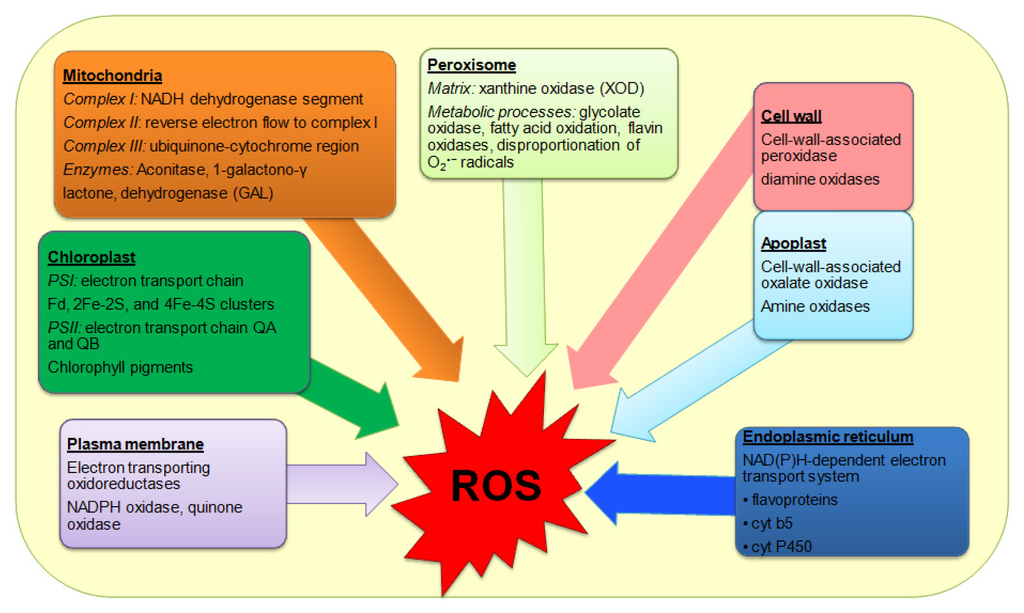
Figure. Sites of production of reactive oxygen species in plants [5].
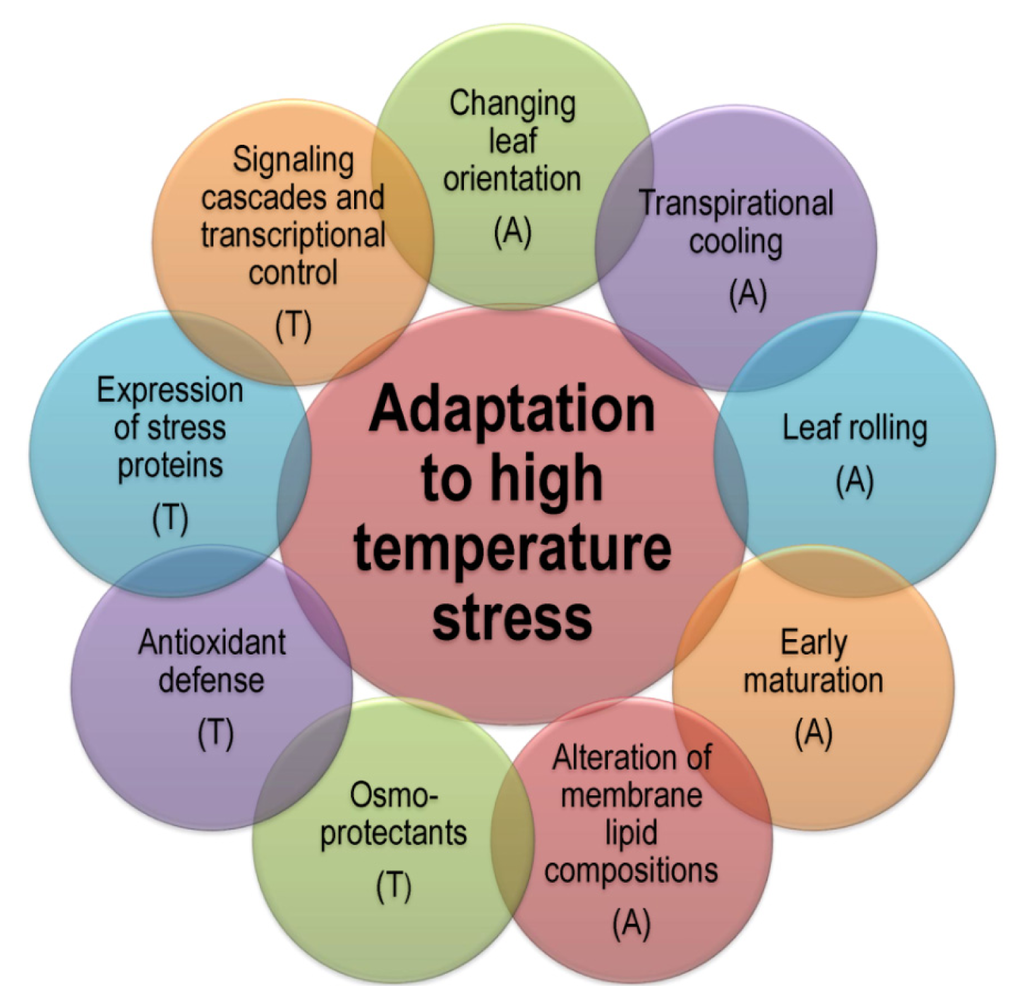
Figure. Different adaptation mechanisms of plants to high temperature. A: Avoidance, T: Tolerance.

Hasanuzzaman, M.; Nahar, K.; Alam, M.M.; Roychowdhury, R.; Fujita, M. Physiological, Biochemical, and Molecular Mechanisms of Heat Stress Tolerance in Plants. Int. J. Mol. Sci. 2013, 14, 9643-9684.

Abstract

High temperature (HT) stress is a major environmental stress that limits plant growth, metabolism, and productivity worldwide. Plant growth and development involve numerous biochemical reactions that are sensitive to temperature. Plant responses to HT vary with the degree and duration of HT and the plant type. HT is now a major concern for crop production and approaches for sustaining high yields of crop plants under HT stress are important agricultural goals. Plants possess a number of adaptive, avoidance, or acclimation mechanisms to cope with HT situations. In addition, major tolerance mechanisms that employ ion transporters, proteins, osmoprotectants, antioxidants, and other factors involved in signaling cascades and transcriptional control are activated to offset stress-induced biochemical and physiological alterations. Plant survival under HT stress depends on the ability to perceive the HT stimulus, generate and transmit the signal, and initiate appropriate physiological and biochemical changes. HT-induced gene expression and metabolite synthesis also substantially improve tolerance. The physiological and biochemical responses to heat stress are active research areas, and the molecular approaches are being adopted for developing HT tolerance in plants. This article reviews the recent findings on responses, adaptation, and tolerance to HT at the cellular, organellar, and whole plant levels and describes various approaches being taken to enhance thermotolerance in plants.

Conclusion and Future Perspective

High temperature stress has become a major concern for crop production worldwide because it greatly affects the growth, development, and productivity of plants. However, the extent to which this occurs in specific climatic zones depends on the probability and period of HT and on the diurnal timing of HT. The present rate of emission of greenhouse gases from different sources is believed responsible for a gradual increase in the world’s ambient temperature, and is resulting in global warming [216]. Therefore, plant responses and adaptation to elevated temperatures, and the mechanisms underlying the development of heat-tolerance, need to be better understood for important agricultural crops. The responses of plants to heat stress have been studied intensively in recent years; however, a complete understanding of thermotolerance mechanisms remains elusive. Temperatures change from season to season and fluctuate daily, which complicates the unambiguous definition of the stress-inducing role of temperature, since the response to various temperatures is determined by a plant’s ability to adapt to different climate regimes. Plant responses to HT also vary across and within species, as well as at different developmental stages.

Under HT conditions, plants accumulate different metabolites (such as antioxidants, osmoprotectants, heat shock proteins [HSPs], etc.) and different metabolic pathways and processes are activated. These changes emphasize the importance of physiological and molecular studies to reveal the mechanisms underlying stress responses. In addition, understanding the nature of the signaling cascades as well as the specific genes expressed in response to HT will be valuable for developing stress tolerant plants. Molecular approaches that uncover the response and tolerance mechanisms will pave the way to engineering plants capable of tolerating HT and could be the basis for development of crop varieties capable of producing economic yields under HT [24,106]. At the field level, managing or manipulating cultural practices, such as the timing and methods for sowing, irrigation management, and selection of cultivars and species, can also considerably decrease the adverse effects of HT stress. In recent decades, exogenous applications of protectants such as osmoprotectants, phytohormones, signaling molecules, trace elements, etc. have shown beneficial effects on plants growing under HT, due to the growth promoting and antioxidant activities of these compounds [15,16,18,135137]. Engineering plants to synthesize these compounds may be an alternative way of developing thermotolerance in important crop plants and represents a potentially important area of research on thermotolerance. However, most of the experiments on HT effects currently carried out in different parts of the world are still limited to laboratory conditions and short-term studies only. Field experiments that explore different biochemical and molecular approaches and agronomic management practices are needed to investigate the actual HT responses and their effects on final crop yield.

See more at:

domingo, 14 de dezembro de 2014

Impact of Temporary Nitrogen Deprivation on Tomato Leaf Phenolics

Bénard, C.; Bourgaud, F.; Gautier, H. Impact of Temporary Nitrogen Deprivation on Tomato Leaf Phenolics. Int. J. Mol. Sci. 2011, 12, 7971-7981.

Abstract

Reducing the use of pesticides represents a major challenge of modern agriculture. Plants synthesize secondary metabolites such as polyphenols that participate in the resistance to parasites. The aim of this study was to test: (1) the impact of nitrogen deficiency on tomato (Solanum lycopersicum) leaf composition and more particularly on two phenolic molecules (chlorogenic acid and rutin) as well as on the general plant biomass; and (2) whether this effect continued after a return to normal nitrogen nutrition. Our results showed that plants deprived of nitrogen for 10 or 19 days contained higher levels of chlorogenic acid and rutin than control plants. In addition, this difference persisted when the plants were once again cultivated on a nitrogen-rich medium. These findings offer interesting perspectives on the use of a short period of deprivation to modulate the levels of compounds of interest in a plant.

Conclusions

The present work reveals part of the tomato plant strategy when submitted to a temporary nitrogen deprivation. A nitrogen deprivation period of 10 or 19 days induced a persistent effect on the phenolics content in leaves of tomato plants. Indeed we quantified a higher content of phenolics in leaves of tomato plants grown with no nitrogen in comparison to control plants grown with 7 mM NO3 −. Moreover, the content of chlorogenic acid and rutin remained higher in plants that had previously been deprived compared to the control when all these plants were further cultivated on a nitrogen-rich medium for 5 days.

Furthermore, during these experiments, the duration of nitrogen stress (10 to 19 days) engendered a marked reduction in plant biomass production. It would therefore be interesting to test the impact of occasional nitrogen deprivation on plants that have already developed larger leaf area in order to determine whether such nitrogen stresses are sufficient to enhance the defenses of vegetative plant parts without affecting fruit yield.

See more at: 

The Critical Role of Potassium in Plant Stress Response

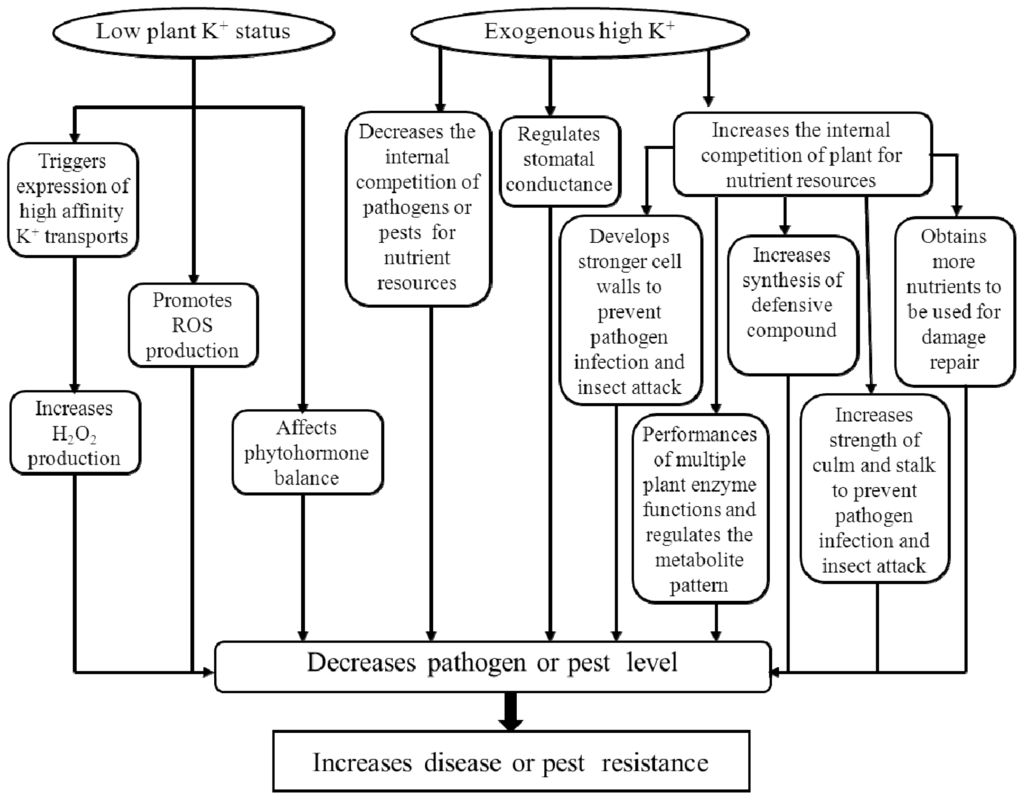
Figure 1. Role of K under biotic stress.
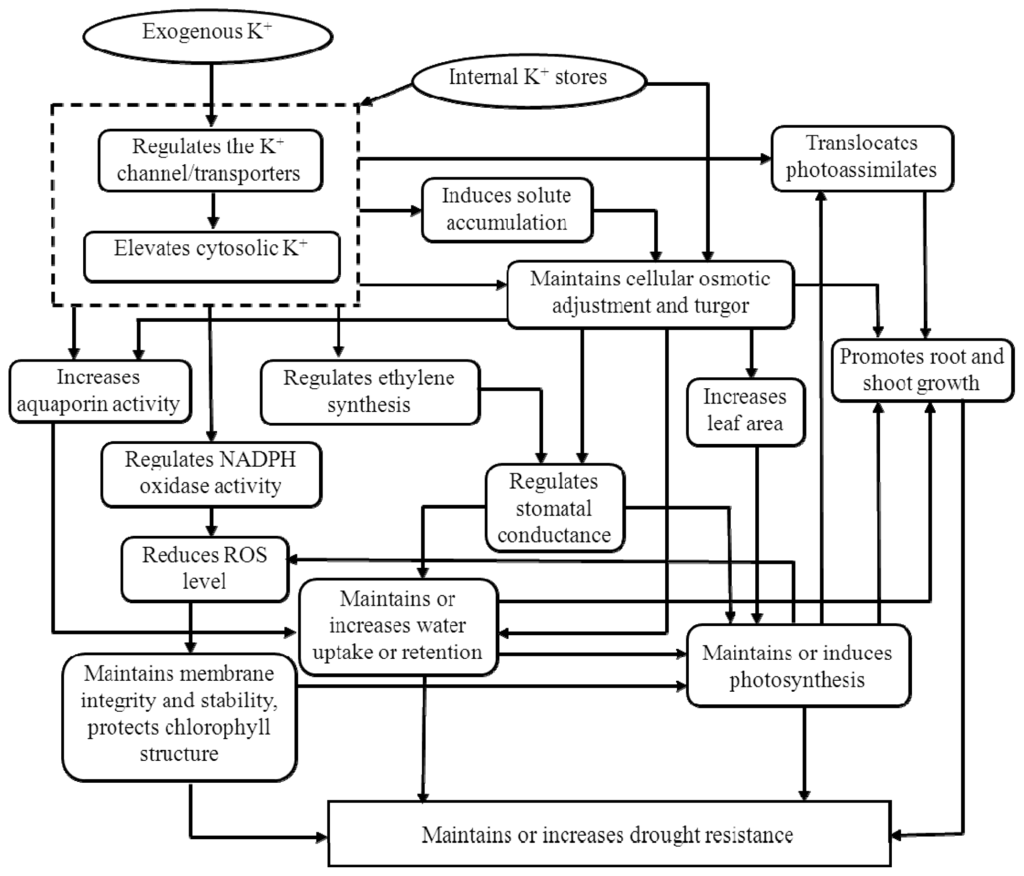
Figure 2. Role of K under drought stress.
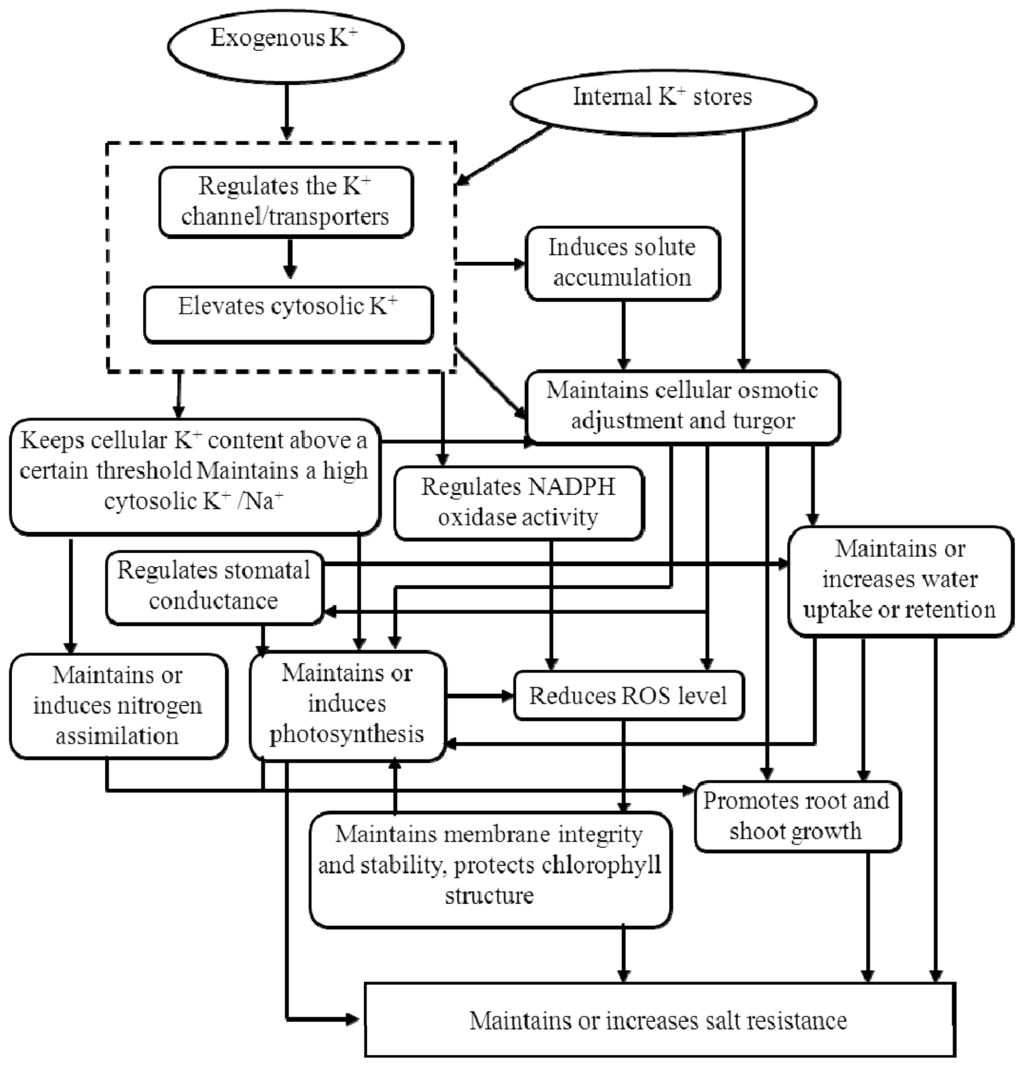
Figure 3. Role of K under salt stress.
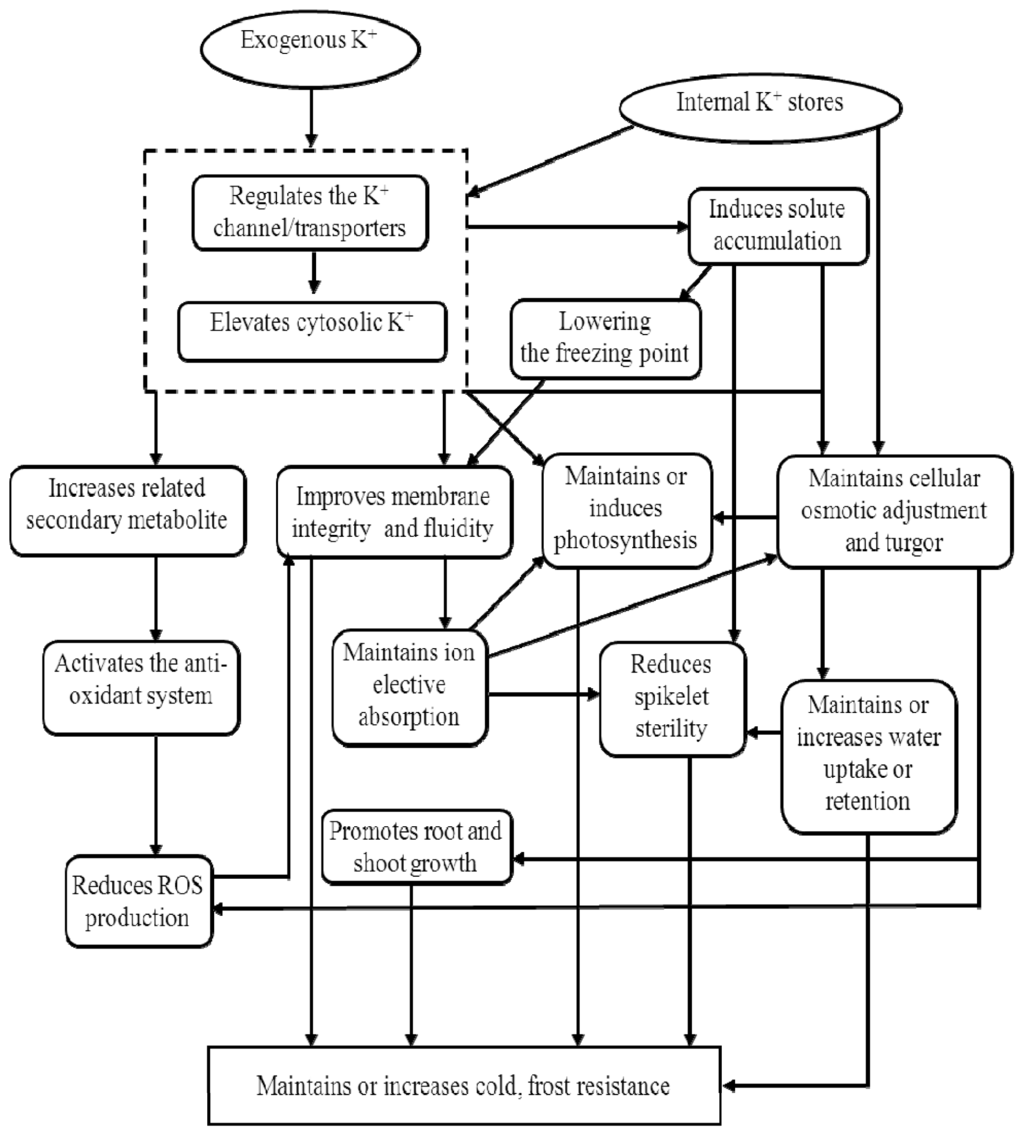
Figure 4. Role of K under cold and frost stress.

Wang, M.; Zheng, Q.; Shen, Q.; Guo, S. The Critical Role of Potassium in Plant Stress Response. Int. J. Mol. Sci. 2013, 14, 7370-7390.

Abstract

Agricultural production continues to be constrained by a number of biotic and abiotic factors that can reduce crop yield quantity and quality. Potassium (K) is an essential nutrient that affects most of the biochemical and physiological processes that influence plant growth and metabolism. It also contributes to the survival of plants exposed to various biotic and abiotic stresses. The following review focuses on the emerging role of K in defending against a number of biotic and abiotic stresses, including diseases, pests, drought, salinity, cold and frost and waterlogging. The availability of K and its effects on plant growth, anatomy, morphology and plant metabolism are discussed. The physiological and molecular mechanisms of K function in plant stress resistance are reviewed. This article also evaluates the potential for improving plant stress resistance by modifying K fertilizer inputs and highlights the future needs for research about the role of K in agriculture.

Implications

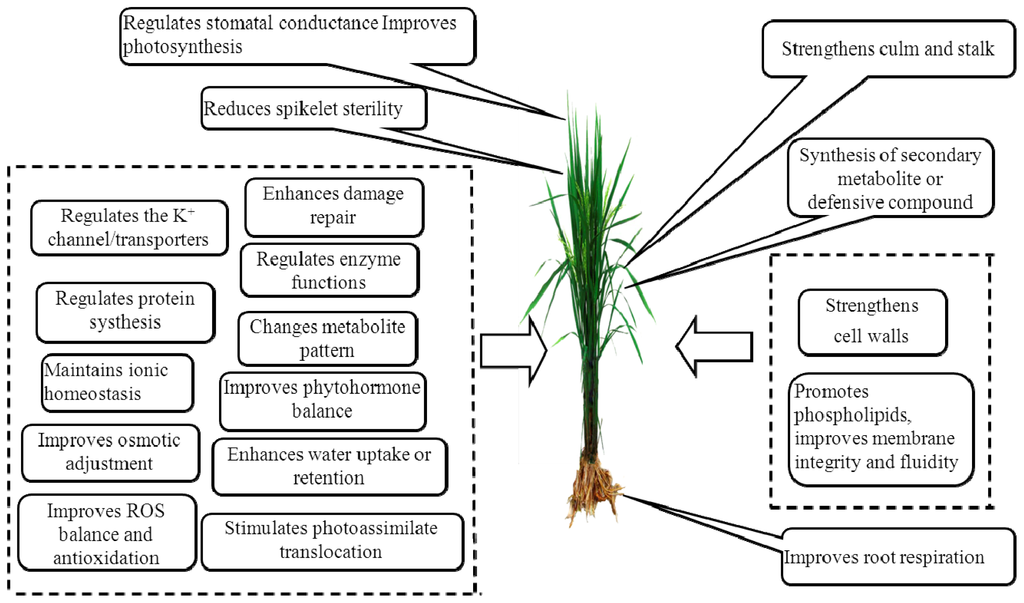
The population of the world will exceed 9 billion by the year 2050. It is, therefore, of vital importance to improve crop yield to match the requirement for food. However, as the environment was becoming worse, the quantity and quality of crop production were significantly decreased by a variety of biotic and abiotic stresses. The practice of intensive fertilization to support massive food production for an increasing global population is a must. However, consumption of excess N fertilization and K deficiency cause a reduction in crop yields and quality in many regions. Therefore, to enable closing yield gaps and allow for a much higher productivity in many regions, a significant increase in K fertilization application is required. K is an essential plant nutrient that impacts a number of physiological and biochemical processes that are involved in plant resistance to biotic and abiotic stresses, as summarized in Figure 5.
Figure 5. Roles of K in resisting all stresses.

Maintaining an optimum K nutritional status is essential for plant resistance to biotic and abiotic stresses. Balanced fertilization and efficient K usage in combination with other nutrients not only contribute to sustainable crop’s growth, yield and quality, but also influence plant health and reduce the environmental risks. However, our understanding about the role of K in whole-plant stress response mechanisms is limited. In this paper, suggested future needs and prospects for research about the role of K in agriculture include:

Investigating more details about the molecular mechanisms of K in plant stress resistance.

Examining the role of K on plant resistance to biotic and abiotic stresses in differentiated cells, tissues and organs and connecting the data relevantly.

Identifying the common or specific response of K to distinct stress and the role of K on long-term plant responses under multiple stress conditions in nature.

Understanding the relationship between K and other nutrients in relation to plant adaptation to stresses in different agroecological systems.

Developing models for better K recommendations based on soil, plant and environmental factors.

Investigating more researcher on the importance of K on crop production, nutritional quality and human and animal health.

See more at: 

quinta-feira, 11 de dezembro de 2014

Amadurecimento com etileno

O Etileno é um hormônio natural nas plantas e um gatilho para o amadurecimento: sua presença ativa enzimas que quebram o amido em açúcares menores, amolecem a fruta e mudam a cor da casca. Um trabalho inédito publicado nesta semana levou isto em consideração para acelerar o amadurecimento de frutas: uma bactéria E. coli modificada produz etileno e leva frutas como maça, kiwi e tomates a um amadurecimento acelerado.

Esta prática tem grande potencial de aplicação comercial, pois muitas vezes as frutas são colhidas ainda verdes e acabam estragando antes de amadurecer. O método permite um controle no amadurecimento: pode ser feito poucas horas antes das frutas irem às prateleiras do supermercados.


Canal Fala Química